

The Coach Who Bleeds
When Patriots coach Mike Vrabel took a punch during training camp, he didn’t flinch—he smiled. But beneath the blood is a different kind of bruising, and it’s not just on the field.
 Joseph BennettAugust 6, 20252 Mins read19
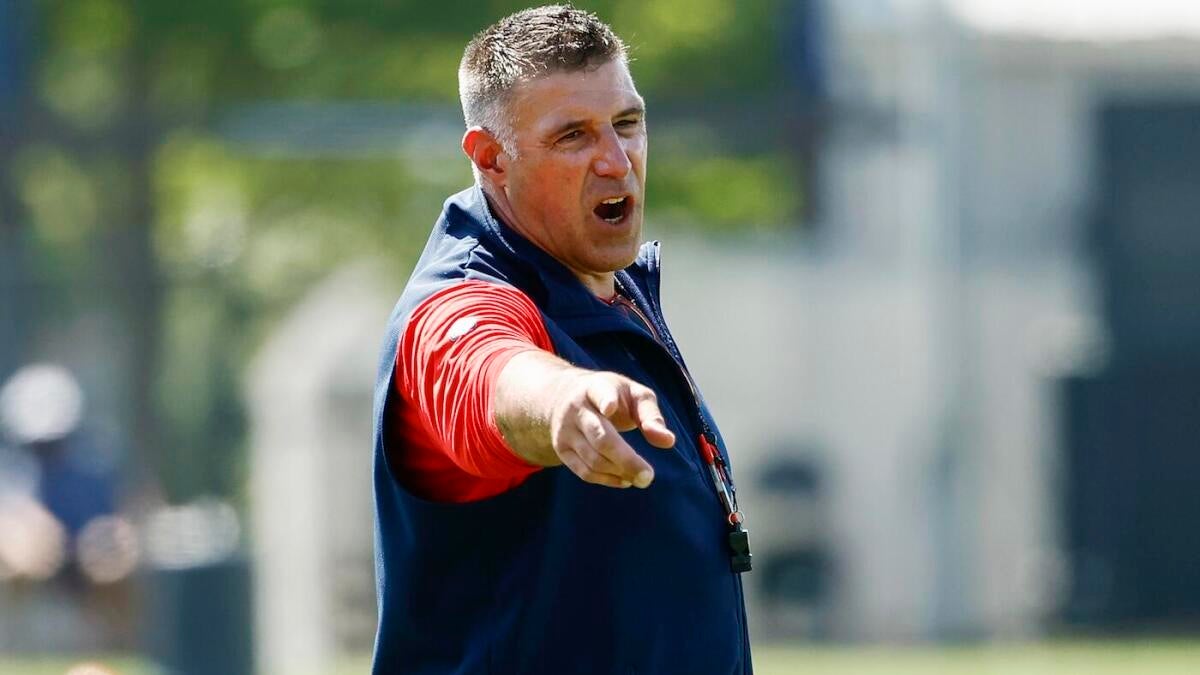
He was bleeding from the face when he said it—grinning like a man who’d just won a bar fight instead of a football drill. “You should have seen the other guy,” Patriots head coach Mike Vrabel quipped, half-mocking, fully myth-making. A skirmish during training camp had left him bloodied, but not broken. The headline wrote itself. The subtext, as always with American football, was much darker.
This wasn’t just a coach caught in a locker-room scuffle. It was a performance of power—grizzled, masculine, and just the right amount of gladiatorial. Vrabel, a former linebacker who still carries the physical swagger of a man who could bench-press a quarterback, leaned into the narrative. He didn’t just survive the fight—he became the legend of it. But what does it say about a sport, and a country, where a coach bleeding in battle is less alarming than expected?
Gridiron Theatre of the Absurd
In the Roman coliseums, violence was spectacle. In the NFL, it’s ritual. Training camp is the preseason theatre where mythologies are rehearsed—rookies humbled, veterans crowned, and coaches, apparently, punched. Vrabel’s nonchalance wasn’t just bravado; it was branding. The blood became a badge, the quote a meme. And somewhere between the Instagram reels and ESPN updates, the actual event—grown men brawling during “practice”—became background noise.
There’s a reason Vrabel’s reaction went viral. It scratched at a nostalgia we refuse to admit is dangerous: the tough guy era, unfiltered and unfeeling. It’s the same reason audiences cheer on sideline shouting matches and celebrate “old-school football” as if trauma doesn’t linger in the bones of the players long after the final whistle. There’s performance in the pain. There’s currency in the chaos.
Blood, Branding, and the Business of Toughness
This is what the NFL sells now—not just athleticism or strategy, but the pageantry of pain. Vrabel knows this. He plays the part with almost cinematic awareness, the kind of guy who’d survive a Scorsese barroom brawl with a torn lip and a quotable line. But off-camera, behind the bruises and beneath the bravado, there’s an industry dependent on breaking bodies to make profit.
The younger player involved hasn’t been named, nor will he likely be remembered. Because in this script, he’s not the character. Vrabel is. The coach who bleeds. The veteran who laughs through pain. The story we’re meant to retell at tailgates and sports bars: “You should have seen the other guy.” But what if we did? What if we stopped turning these bruises into badges, and asked why they keep happening?
In the end, the blood dried. The cameras moved on. Vrabel’s face healed, and the myth remained intact. But maybe that’s the real injury—the way violence is metabolized into narrative, the way we let charisma mask consequence. After all, it’s easy to cheer for a bleeding coach when the lights are bright and the crowd is loud. But who’s watching when the locker room empties and no one’s laughing anymore?





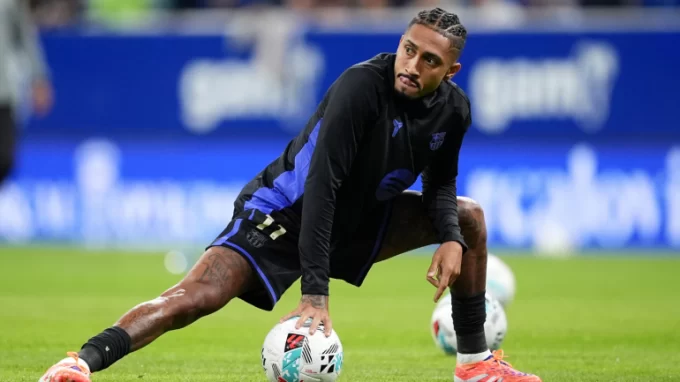
Barcelona’s Fragile Pursuit: When Injuries Threaten More Than Just a Season
A silence spreads over Camp Nou that no roar can drown out—two...
 Chris Marks2 Mins read
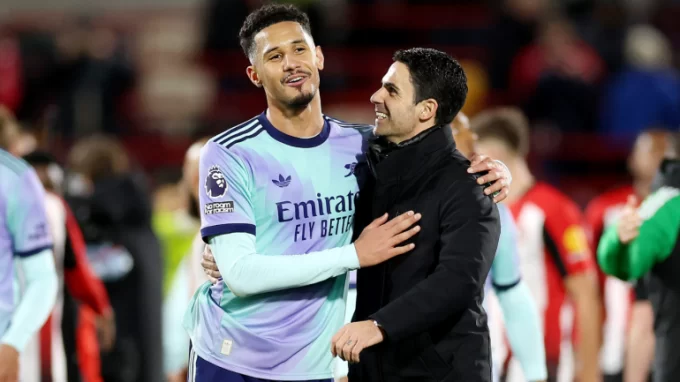
William Saliba: Arsenal’s Silent Architect or Its Greatest Gamble?
The air inside the Emirates shifts with unspoken tension—William Saliba, once a...
Joseph Bennett2 Mins read
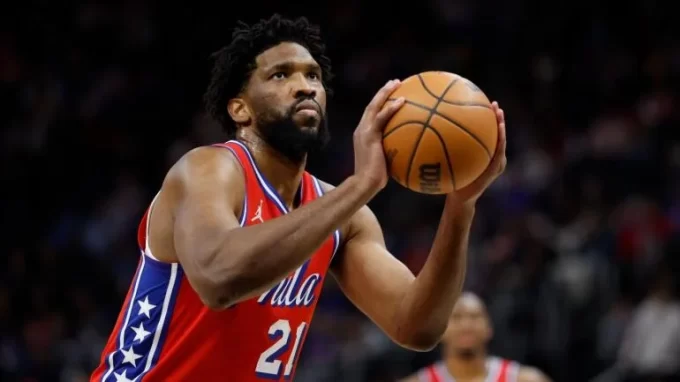
Joel Embiid’s Quiet Confidence: Is the 76ers’ Giant Ready to Rewrite His Story?
Joel Embiid is rarely one to make noise without purpose, and now,...
 Kirsten Collins1 Mins read
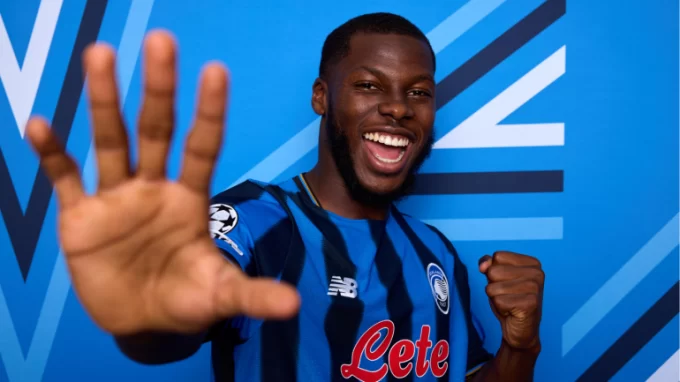
Juventus, Atalanta, and Arsenal’s Quiet Revolution: What’s Really Shaping This Week in Football?
The roar of Serie A stadiums masks a subtle shift, one that...
Kirsten Collins2 Mins read





Leave a comment