

The Woman Behind the Mask: Jen Pawol and the Game She Had to Win First
She’s about to break Major League Baseball’s glass plate—but what does it cost to be invisible, authoritative, and female in a world that romanticizes men calling the shots?
 Chris MarksAugust 6, 20252 Mins read20
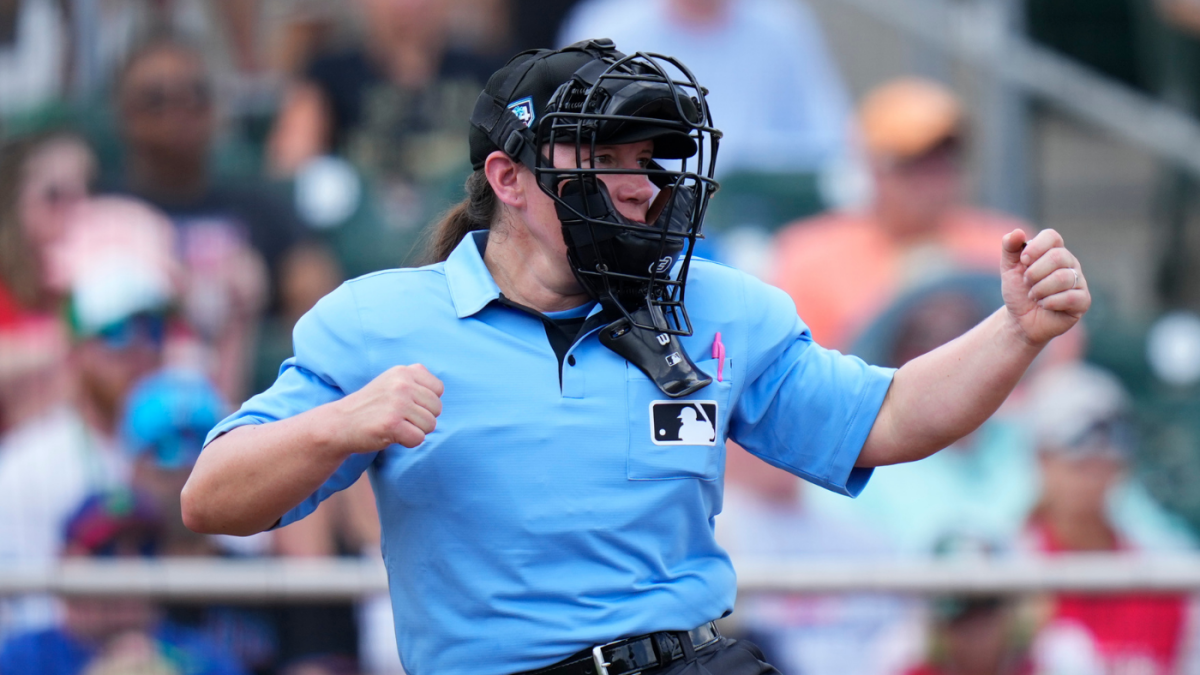
The thing about umpires is you’re not supposed to notice them—until everything falls apart. A bad call, a furious batter, a swarm of boos raining from the bleachers. Authority in baseball is a thankless ghost role: essential, invisible, and male. Until now. Jen Pawol will make history with the Marlins-Braves series as the first woman to umpire a regular-season Major League Baseball game. But ask yourself—why did it take this long for a woman to call strikes in a game that’s been swinging since the 19th century?
The name “Pawol” might sound new to many, but she’s been orbiting this moment for years—umpiring college, then minor league games, surviving the sport’s famously cloistered officiating ladder. Behind every routine call was a quiet act of subversion. Baseball didn’t need another man behind the plate. It needed a recalibration. And Jen, with her disciplined stare and unflinching voice, didn’t need to shout to be heard.
A Whisper Loud Enough to Change the Game
Baseball, more than any other American sport, fetishizes tradition. Its rituals, myths, and unwritten rules create a mythology resistant to change. It’s why the umpire role feels sacred, patriarchal—less about control, more about being part of a lineage of men who wear black and speak with finality. Pawol’s entrance is not just about inclusion; it’s a direct challenge to the aesthetic of the game. What happens when the all-seeing eye behind the plate isn’t part of the old boys’ club?
“She earned it. She didn’t ask for shortcuts,” said a league official. And that’s the rub, isn’t it? A man only needs to be good. A woman needs to be undeniable. Pawol was an Olympic-level softball player, a certified coach, and a quiet storm in every league she passed through. She had to learn to blend in—but not disappear. That’s a harder skill than throwing a 95-mph curveball.
Still, the stadium lights don’t lie. When she steps onto that field, she will become the most visible invisible person in baseball.
The Illusion of Neutrality
But don’t mistake this as progress simply because it happened. Baseball is a world that still thrives on control, decorum, and the illusion of neutrality. Pawol isn’t allowed a personality, not publicly. No flair, no quirk, no misstep. The same fans who’ll cheer her “historic moment” will scrutinize her strike zone with a vengeance usually reserved for playoff heartbreak. She’s not just breaking a barrier—she’s stepping into a surveillance state disguised as a diamond.
What makes this moment disquieting is not that it’s happening, but that it took until 2026 for it to happen once. No woman has called an MLB regular-season game before this. Not one. For a country that lionizes Jackie Robinson and Title IX in the same breath, that silence is thunderous. It reminds us that institutions don’t change because they’re ready. They change because someone refuses to leave the dugout.
Watch her carefully—not because she’s a novelty, but because she’s mastered the role of the unseen judge in a game that demands spectacle. When she raises her right hand, when she signals a strike, when she calmly defuses a manager on the verge of combustion, know that you are watching history disguised as routine. Jen Pawol didn’t just enter the game. She rewrote how it begins.
And now, somewhere between the pitcher’s mound and home plate, a new question lingers in the seams:
What else have we missed, just because we weren’t looking?






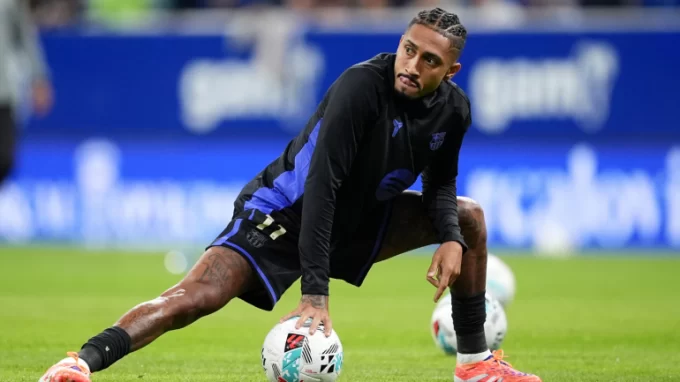
Barcelona’s Fragile Pursuit: When Injuries Threaten More Than Just a Season
A silence spreads over Camp Nou that no roar can drown out—two...
Chris Marks2 Mins read
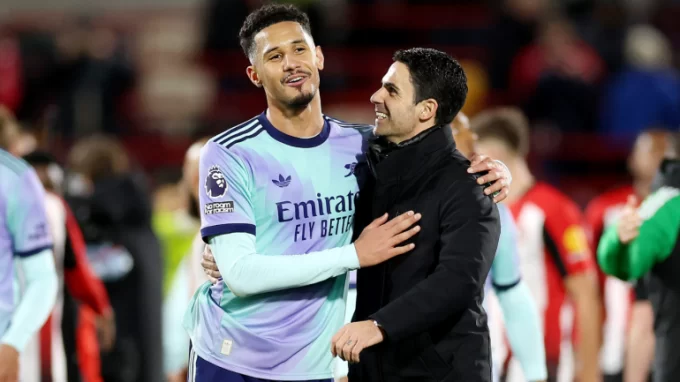
William Saliba: Arsenal’s Silent Architect or Its Greatest Gamble?
The air inside the Emirates shifts with unspoken tension—William Saliba, once a...
 Joseph Bennett2 Mins read

Joel Embiid’s Quiet Confidence: Is the 76ers’ Giant Ready to Rewrite His Story?
Joel Embiid is rarely one to make noise without purpose, and now,...
 Kirsten Collins1 Mins read
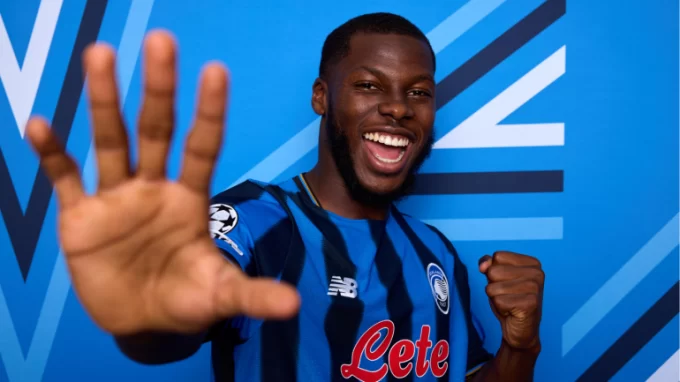
Juventus, Atalanta, and Arsenal’s Quiet Revolution: What’s Really Shaping This Week in Football?
The roar of Serie A stadiums masks a subtle shift, one that...
Kirsten Collins2 Mins read





Leave a comment