

The Fragile Titan: Landon Dickerson’s Injury and the Unseen Vulnerability of Giants
When Eagles’ stalwart Landon Dickerson reportedly suffers a torn meniscus, it’s not just a player’s injury—it’s a fissure in the myth of football invincibility. What does this fragility say about the modern gladiator?
 Chris MarksAugust 11, 20252 Mins read49
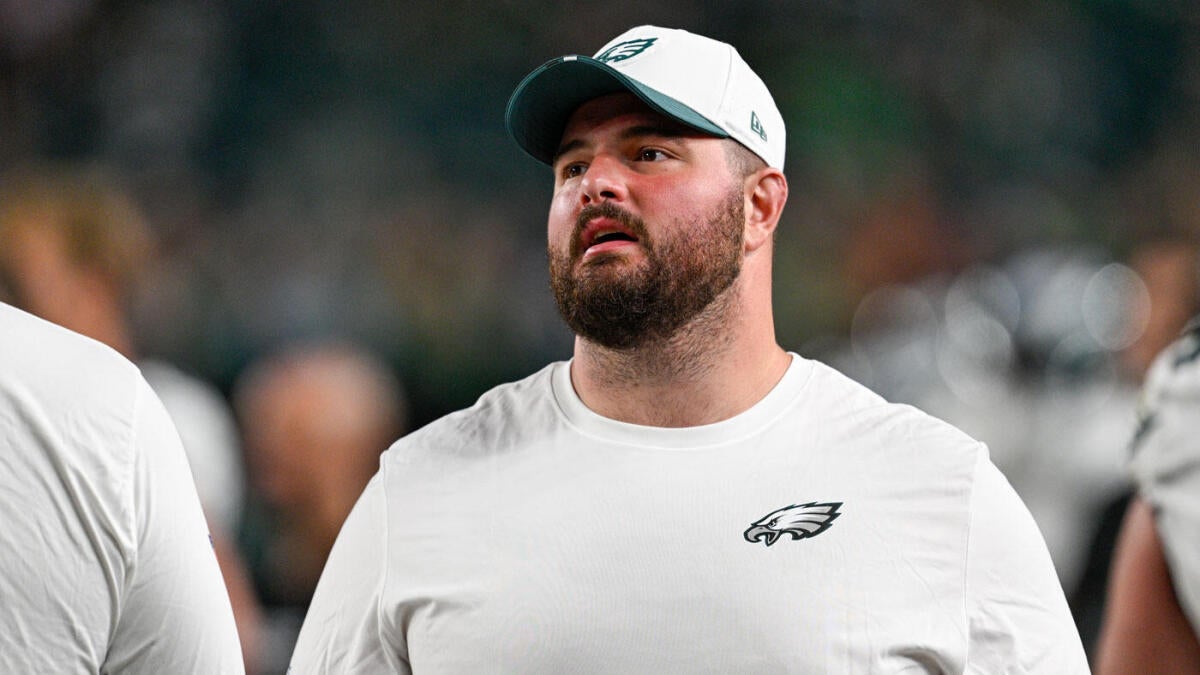
He was supposed to be unbreakable—an immovable force on the gridiron, a human fortress defending the Eagles’ dreams. Instead, Landon Dickerson’s meniscus injury cracks open a silent narrative no one wants to face: the invisible fragility beneath the armor of America’s most brutal sport. A torn meniscus is not just a medical diagnosis; it’s an indictment of the high-stakes physical theatre where titans tread on thin ice.
The spotlight rarely lingers long enough to dissect the anatomy of an offensive lineman’s plight. Dickerson, known for his relentless tenacity and rare blend of power and grace, now confronts the precarious nature of the very knees that carry him through clashes of violent choreography. Is this the beginning of a slow unraveling or just a fleeting shadow over a career that seemed destined for greatness?
When the Fortress Crumbles
Football culture demands toughness—mental, physical, emotional—and the narrative too often turns injury into mere inconvenience, a hurdle to leap rather than a signal to pause. Yet, the meniscus, a small crescent of cartilage cushioning the knee joint, speaks louder than headlines. Its injury is a reminder that even the most revered warriors walk on glass. As one anonymous NFL medic put it, “The meniscus is the silent guardian of mobility. When it fails, so does the myth of invincibility.”
Dickerson’s injury opens questions: how long before the relentless grind chips away at more than just cartilage? How many giants have fallen quietly, their careers sidelined by the very battles that define them? Beneath the celebrated grit and glory lies a fragile biology, constantly on the edge of collapse.
A Body in Flux, A Career in Question
Injuries like Dickerson’s echo beyond the individual, reverberating through locker rooms, fan bases, and the league itself. They shape team strategy, challenge medical protocols, and force fans to confront a paradox: the athletes we idolize are also the most vulnerable. “You see these guys as superheroes, but they’re human beings with flesh and bone,” an NFL trainer once confided. “The game is poetry in motion, but every motion risks a fracture in the poem.”
Recovery will be meticulous, a dance between science and sheer willpower. The question remains: can a player’s spirit outpace the physical toll? And in a sport that celebrates endurance, what becomes of the narrative when the body says no?
The story of Landon Dickerson is unfinished, its ending unwritten—a moment suspended in time like a breath caught between a tackle and the whistle. His injury whispers a quiet truth to the roaring stadium: even the mightiest must navigate the delicate architecture of flesh, or risk becoming ghosts of what once was.





Barcelona’s Fragile Pursuit: When Injuries Threaten More Than Just a Season
A silence spreads over Camp Nou that no roar can drown out—two...
Chris Marks2 Mins read
William Saliba: Arsenal’s Silent Architect or Its Greatest Gamble?
The air inside the Emirates shifts with unspoken tension—William Saliba, once a...
 Joseph Bennett2 Mins read
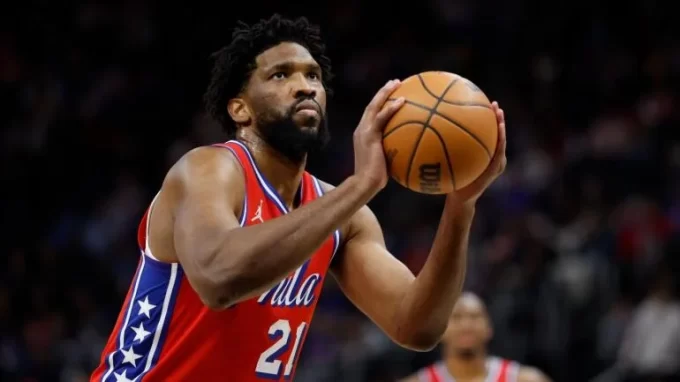
Joel Embiid’s Quiet Confidence: Is the 76ers’ Giant Ready to Rewrite His Story?
Joel Embiid is rarely one to make noise without purpose, and now,...
 Kirsten Collins1 Mins read
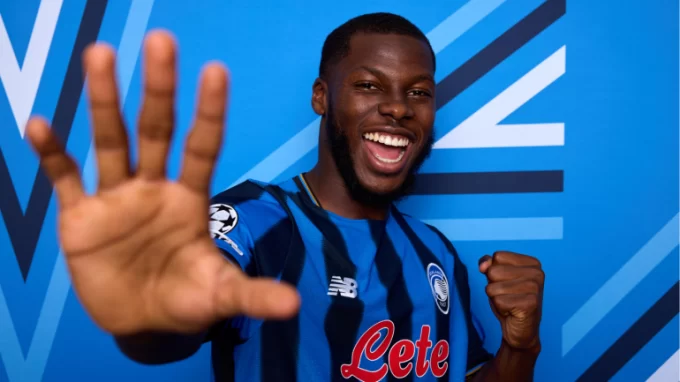
Juventus, Atalanta, and Arsenal’s Quiet Revolution: What’s Really Shaping This Week in Football?
The roar of Serie A stadiums masks a subtle shift, one that...
Kirsten Collins2 Mins read





Leave a comment