

Death in the Spotlight: When the Private Turns Public, What Are We Really Mourning?
Brandon Blackstock’s death, confirmed after months of speculation, reveals more than a celebrity tragedy—it exposes the blurred lines between grief, media spectacle, and the appetite for intimate sorrow.
 Kirsten CollinsAugust 11, 20251 Mins read19
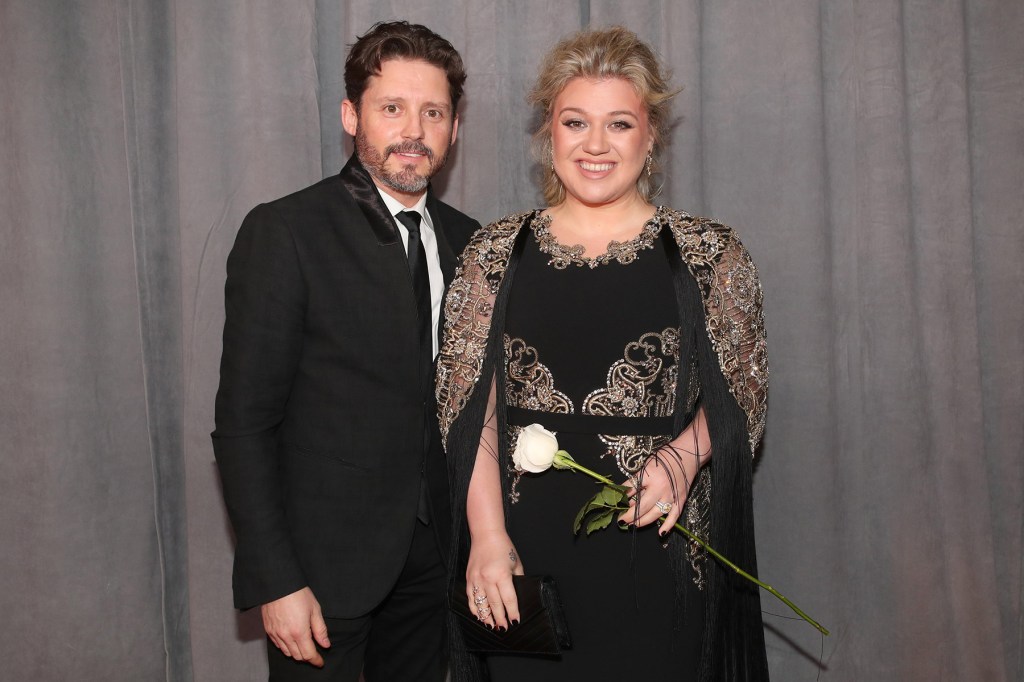
A man dies and the world watches, but what does the watching cost us? Brandon Blackstock was more than Kelly Clarkson’s ex-husband; he was a figure caught between the glitter of fame and the shadows of private suffering. Now, with the cause of his death finally confirmed, the question no one wants to ask loud enough lingers: are we truly grieving him, or the spectacle of his fall?
In the endless churn of celebrity news, Blackstock’s passing was met with a hunger that felt less like empathy and more like possession—another drama to consume. The relentless public gaze has transformed grief into an omnipresent performance, where every detail is dissected and dissected again, until the person behind the headlines almost dissolves into the noise.
The Quiet Violence of Public Mourning
There is a certain violence in exposing the intimate—each whispered detail broadcast as breaking news. Blackstock’s death forced a reckoning with how we consume tragedy, as though proximity to fame grants us ownership over sorrow. His story became a prism through which we reflect our own discomfort with mortality and failure, repackaged as headline fodder.
One insider, speaking on condition of anonymity, noted, “In these moments, the humanity gets lost. We start seeing people as symbols—victims, villains, headlines—rather than as humans who lived, struggled, and left behind echoes.” The real death is perhaps not just his, but the death of privacy itself.
When Loss Becomes Currency
We live in a culture where personal pain is often currency—bought and sold in the markets of clicks, likes, and viral shares. Blackstock’s death highlights how public figures become unwilling participants in a collective performance of mourning, their lives and deaths repurposed for public consumption. The deeper story lies in the tension between genuine grief and its commodification.
What remains after the flashbulbs dim? The skeleton of a narrative shaped not by those who knew him best but by a public eager for drama, distraction, and closure. And yet, closure in such cases feels like a cruel myth. What happens when the final act is public, but the soul’s quiet unrest remains?
In the end, the question Blackstock’s passing leaves us is not about the facts of his death, but about our own complicity in a culture that turns tragedy into spectacle. Are we mourning him—or ourselves?



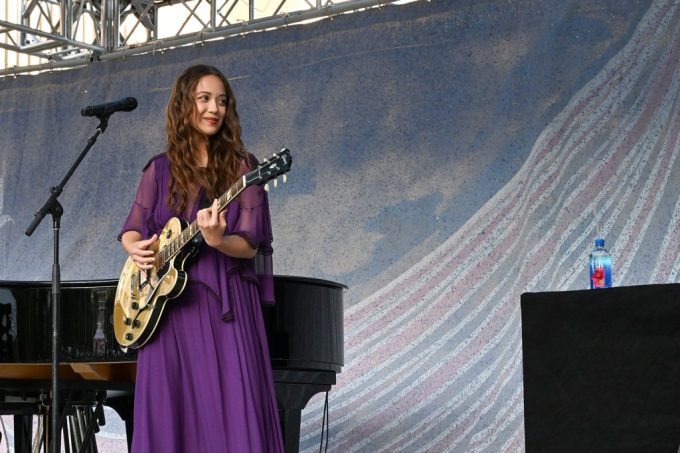
Laufey’s Opening Night Show at LA’s Crypto.com Arena: Best Moments
Laufey opened a two-night stand at Crypto.com Arena in downtown Los Angeles...
 Chris Marks6 Mins read
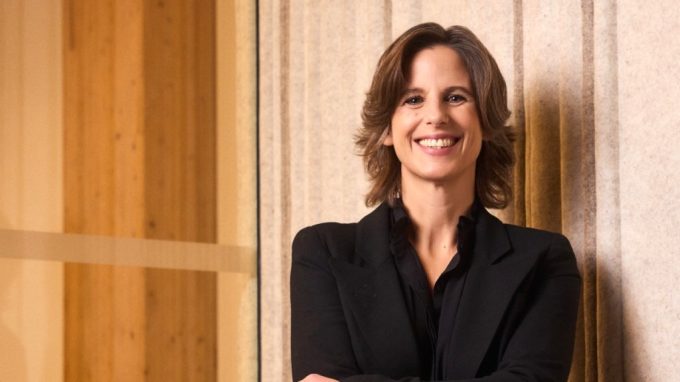
Julie Adam Is Billboard Canada Women in Music’s 2025 Exec of the Year
Julie Adam is having a milestone year — and it’s getting even...
Chris Marks4 Mins read

Spinal Tap Tribute Album with Foo Fighters,Tool for Teen Cancer America
Spinal Tap may be a fake band, but its music is very...
Chris Marks2 Mins read
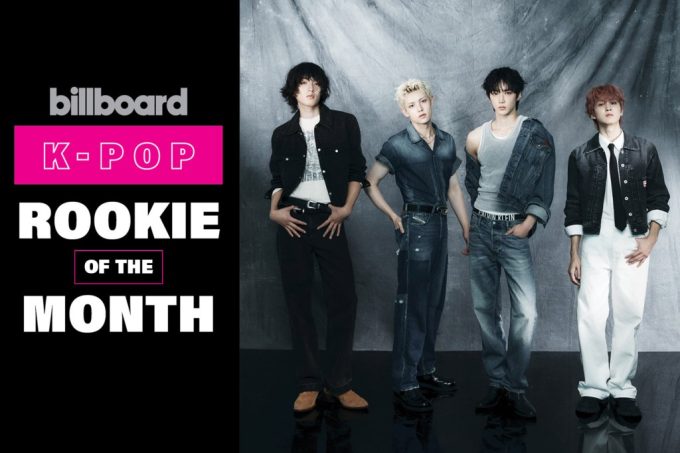
AxMxP Is K-Pop Rookie of the Month for September: Exclusive Photos
Ha Yoo Joon Image Credit: Chin Soyeon You debuted on Sept. 10....
Chris Marks2 Mins read



Leave a comment