

The Quiet Power of Sadness: Why We Crave Movies That Break Us
Sad movies are not just tears on screen—they are cultural touchstones that reveal what we refuse to say out loud. Why do we keep returning to heartbreak? The answer unsettles and fascinates.
 Kirsten CollinsAugust 11, 20252 Mins read22
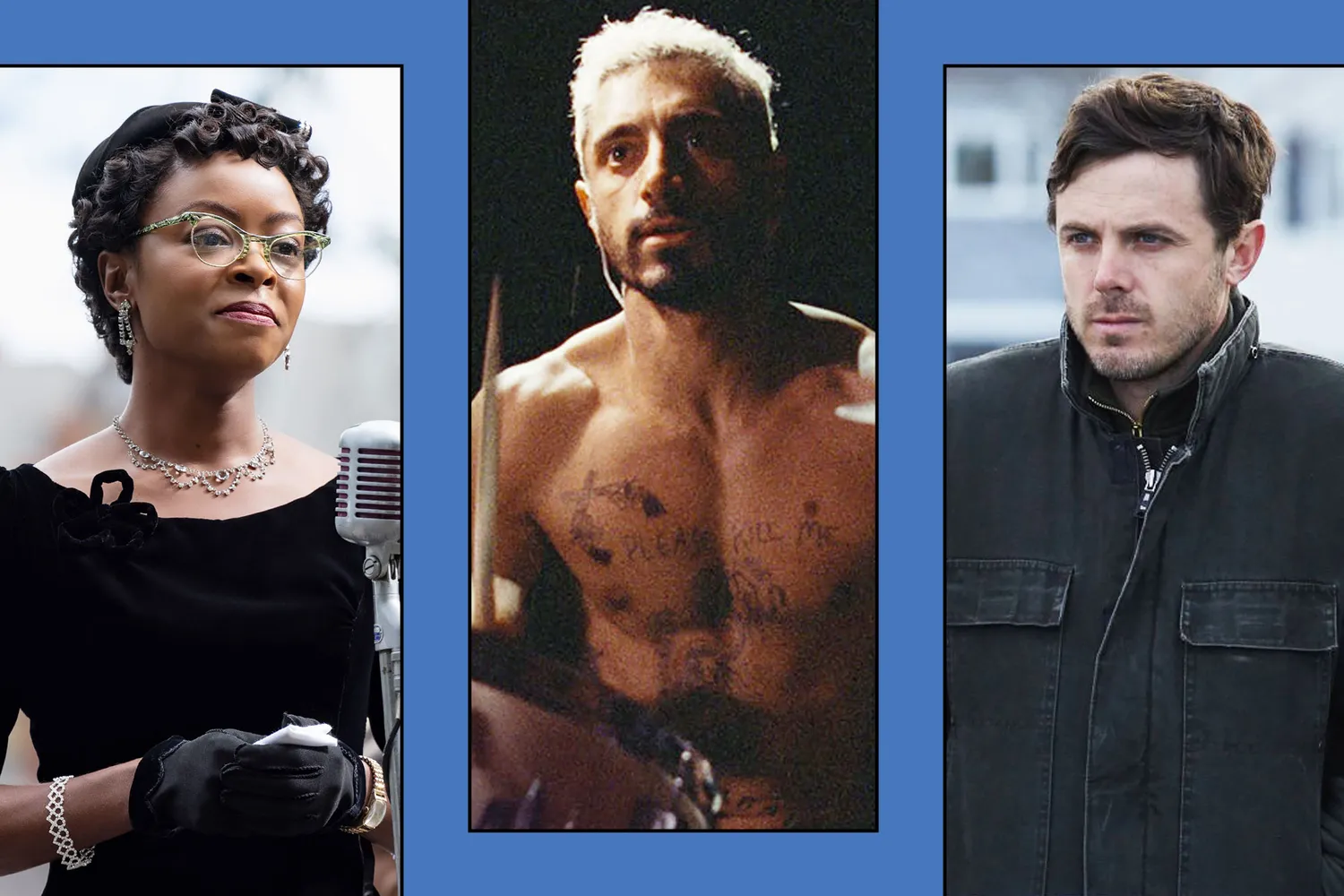
The moment a screen dims and the first fragile note of a lonely piano plays, something stirs in us—a clandestine invitation to feel what we usually bury. Sad movies don’t simply show pain; they make it intimate, inviting audiences to lean into their own wounds while suspended in someone else’s sorrow. It’s a paradox: we seek out heartbreak not to shun it, but to embrace it, like a secret ritual we perform alone but in communion.
How many times have you found yourself unable to look away, the tears blurring the edges of the frame as the characters unravel? Sadness on film is a carefully curated experience—each narrative a mirror, reflecting the fragile undercurrents of human existence. But why do these films haunt us long after the credits roll? What is it about cinematic grief that seduces rather than repels?
The Elegance of Emotional Ruin
Sadness on screen wears many faces—quiet resignation, bitter loss, shattered hope—but what unites these films is an elegance, a deliberate artistry in their unraveling. They do not simply depict suffering; they sculpt it, transforming pain into something almost beautiful. This isn’t mere melodrama; it’s a profound investigation into the human condition. As one actor confided, “There’s a dignity in brokenness that we’re all secretly desperate to witness.”
Yet sadness in film also serves a darker purpose—it unsettles the veneer of everyday life, exposes the fissures we hide. We watch to recognize our own fractures, to see that heartbreak is universal and somehow, that makes it bearable. The best sad movies refuse easy answers, instead reveling in ambiguity, in the unresolved ache that lingers like a whispered truth.
When Tears Speak Louder Than Words
The allure of sad movies is their raw honesty, their refusal to dress pain in anything less than truth. They push against Hollywood’s usual promise of redemption and happy endings, reminding us that life’s most powerful stories often end in silence or sorrow. Watching these films is an act of bravery—a willingness to sit with discomfort and grief, to confront the fragility of joy itself.
Sadness, in this cinematic form, becomes a language—one that bypasses logic to speak directly to the soul. It questions what we value, what we fear losing, and how we survive the invisible battles no one talks about. The screen becomes a confessional, and in the darkness, we find a strange solace.
By choosing sadness, these films invite us to pause, to feel deeply, to remember that pain is part of the human narrative—not an aberration but an essential thread in the tapestry. And when we leave the theater or shut off the screen, that lingering ache is not weakness; it is proof that we have dared to live fully, if only for a fleeting moment.
So why do we keep coming back? Perhaps because in sadness, there is a secret freedom—the permission to break, to weep, and to find in that breaking a glimpse of something unutterably true.







What Happened Between Them? – Hollywood Life
View gallery Image Credit: WireImage Hilary Duff and Haylie Duff were once...
Kirsten Collins2 Mins read

Pianist Omar Harfouch Brings Celebrated Figures Together for a Night of Cultural Exchange – Hollywood Life
Image Credit: Omar Harfouch On February 20, 2026, pianist and cultural figure...
Kirsten Collins2 Mins read

Who Is Ivana Lisette Ortiz? About the Rihanna Home Shooting Suspect – Hollywood Life
Image Credit: WWD via Getty Images The suspect in the March 8,...
Kirsten Collins1 Mins read

What Channel Are the Academy Awards On? – Hollywood Life
Image Credit: AFP via Getty Images The 2026 Academy Awards will bring...
Kirsten Collins1 Mins read





Leave a comment