

A Ring or Oblivion: Bradley Beal’s Rebirth in LA’s Championship Factory
Three-time All-Star Bradley Beal turns his career’s compass toward championship gold, signing with the Clippers in search of the ring that has long eluded him. But beneath the all-or-nothing quest lies a fresh hunger—and a high-stakes gamble in his 14th season.
 Joseph BennettAugust 12, 20251 Mins read18
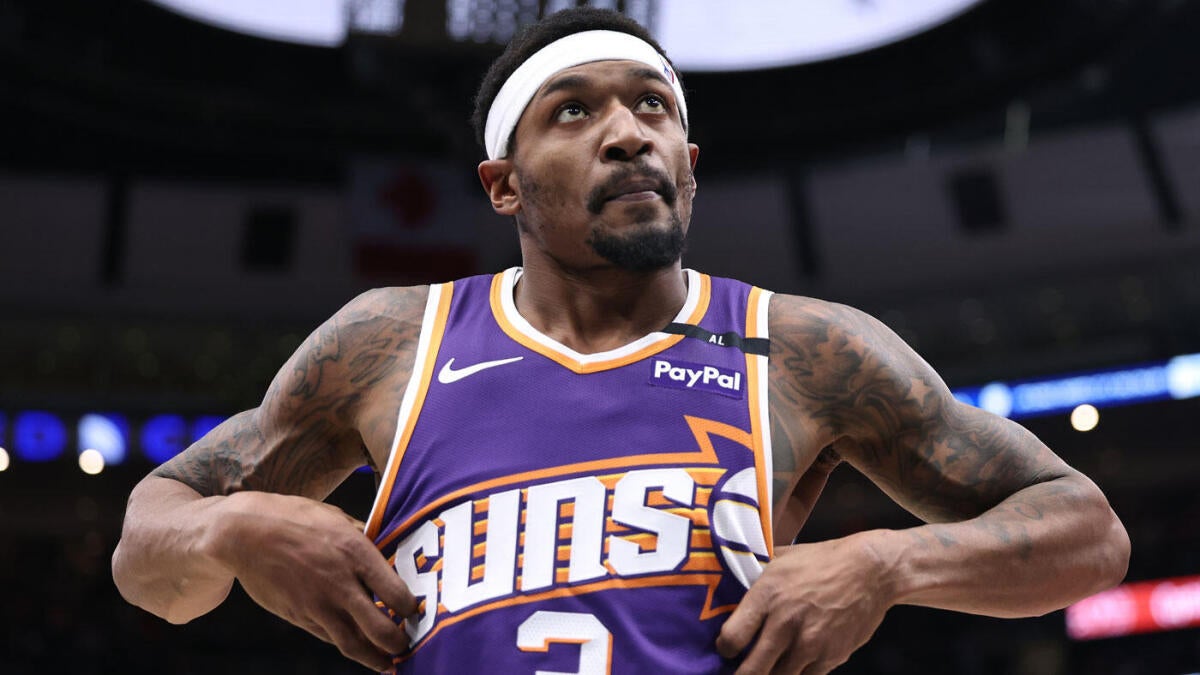
“I need a ring,” Beal said—words that echoed like a dare, not a wish. At 32, entering his 14th NBA season, Bradley Beal isn’t just chasing a trophy. He’s chasing redemption, purpose, and the closure that legacy demands.
After a bruising North Star misfire in Phoenix, Beal bet on the Clippers—a roster dripping with playoff pedigree yet haunted by postseason stumbles. His arrival is more than a signing; it’s a seismic shift in narrative, one that begs the question: can a veteran past his prime find immortality after sacrificing dollars?
When Ambition Silences Ego
Trading $13.9 million—and two guaranteed years—to join the Clippers wasn’t capitulation; it was strategy. A lean, two-year, $11 million deal with a player option next summer isn’t the glamorous Hollywood ending we expect. But as his agent more coldly framed it: “Brad did not want to go anywhere where he would be a one-year rental.” The message is clear—this is about long-term rebirth, not short-lived glory.
In LA’s planer universe, Beal transforms from scorer to strategic complement—running off screens, initiating hand-offs, anchoring second-unit flows with Harden or Paul. In Tyronn Lue’s words, “players of this caliber are very rare… you can put him in so many different spots.” He’s not here to dominate, he’s here to endure.
Hungry Legacy in a Supergroup World
Isn’t it curious how desperation for a ring can redefine a superstar? When Iman Shumpert says, “It’s not about who shines brightest, but who fits best,” he channels Beal’s journey. Beal isn’t just seeking silverware—he’s pursuing synergy, context, chemistry.
A Lakers front office official admitted quietly: losing Beal smarts—not because his stats were earth-shaking, but because his hunger rewrote market logic. While title odds shifted only marginally, a culture shifted entirely. The ring isn’t just plastic—it’s a promise remade.



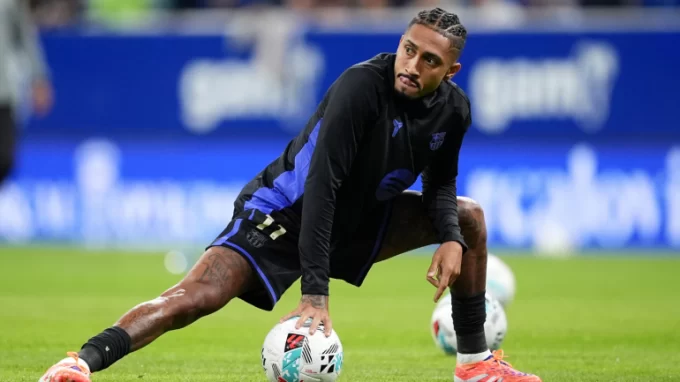
Barcelona’s Fragile Pursuit: When Injuries Threaten More Than Just a Season
A silence spreads over Camp Nou that no roar can drown out—two...
 Chris Marks2 Mins read
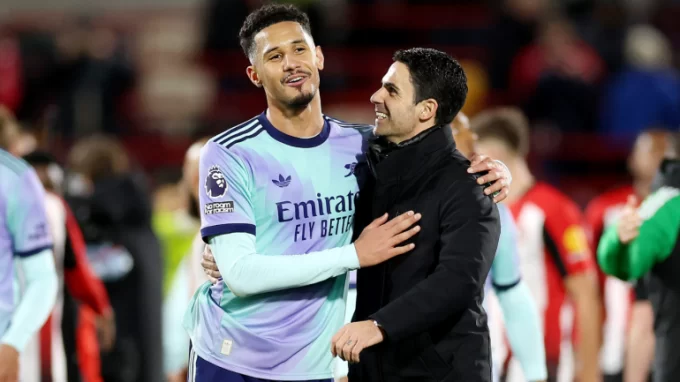
William Saliba: Arsenal’s Silent Architect or Its Greatest Gamble?
The air inside the Emirates shifts with unspoken tension—William Saliba, once a...
Joseph Bennett2 Mins read
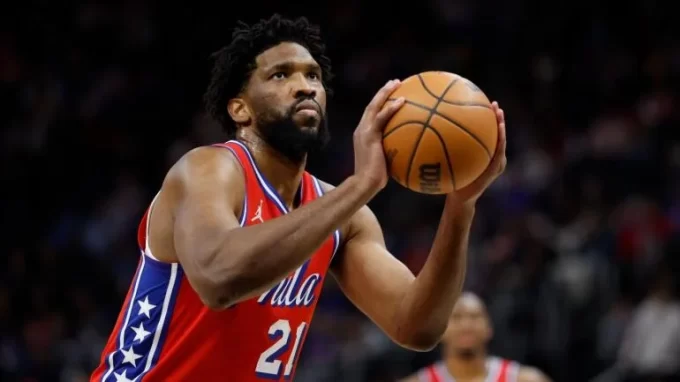
Joel Embiid’s Quiet Confidence: Is the 76ers’ Giant Ready to Rewrite His Story?
Joel Embiid is rarely one to make noise without purpose, and now,...
 Kirsten Collins1 Mins read
Juventus, Atalanta, and Arsenal’s Quiet Revolution: What’s Really Shaping This Week in Football?
The roar of Serie A stadiums masks a subtle shift, one that...
Kirsten Collins2 Mins read





Leave a comment