

“When Loyalty Meets Leverage: Parsons and the Invisible Hand of Negotiation”
Micah Parsons lit a spark not with a sack, but with his silence—forcing a showdown between devotion and dollar signs in the heart of Cowboys’ politics.
 Kirsten CollinsAugust 13, 20251 Mins read23
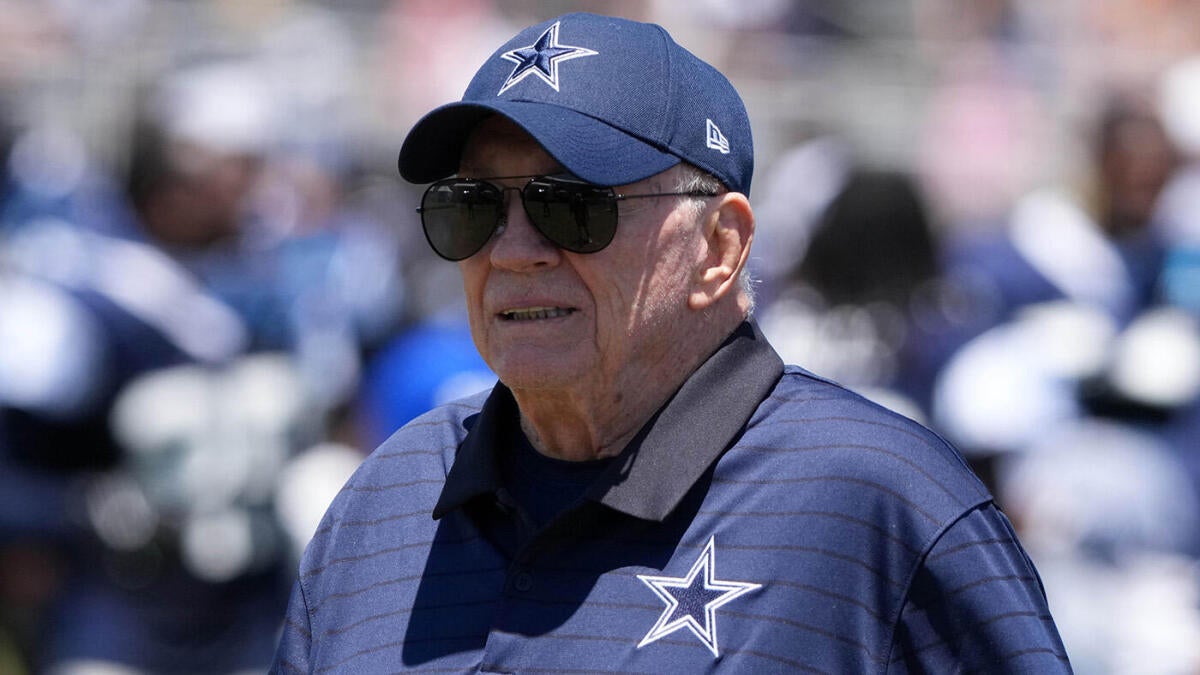
He stayed away from practice—and the hum of the locker room fell silent. Micah Parsons didn’t step onto the field, but he stepped into a spotlight that exposed a fault line running between pride and power.
What began as a standard extension talk warped into a public chess match: loyal star against entrenched ownership, with an agent’s name whispered like a secret detonator.
The Unsung Catalyst
When Jerry Jones dismissed David Mulugheta as “not a factor,” he didn’t just deny an agent’s role—he thrust Parsons into a crucible of loyalty. Parsons fired back with conviction: “I will not be doing any deal without [David],” he declared, drawing a line sharper than any blitz.
In a twist, this wasn’t ego at play—but allegiance. Parsons wasn’t just fighting for pay; he was defending the presence of counsel, clarity, and respect in his future.
From Backchannel to Backlash
The contract stalled. The farm cried “Pay Micah,” and even Denzel Washington joined the chorus—chiding Jones for what he saw as callous priorities. Parsons’ frustration rippled through the locker room, touching the heart of a team built on identity.
“Any time you can publicly take a dig … you just gotta take it,” a bystander noted—an echo of tension dressed in WWE showmanship. Yet beneath the glare, serious business unfolds: this isn’t just a negotiation; it’s a test of ethos.
And now, we circle back: the silence of the field, the weight of an agent’s exclusion, the unfolding rift between devotion and contract clauses. Parsons didn’t need to play to be heard—he just needed to show up. The real play is still pending, and the question remains: who will blink first—or will they all be redefined by this standstill?


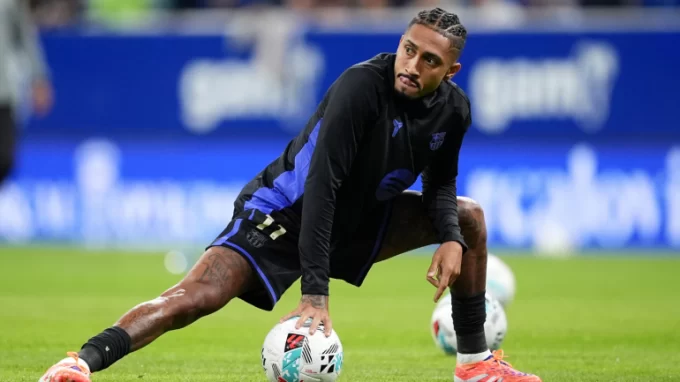
Barcelona’s Fragile Pursuit: When Injuries Threaten More Than Just a Season
A silence spreads over Camp Nou that no roar can drown out—two...
 Chris Marks2 Mins read
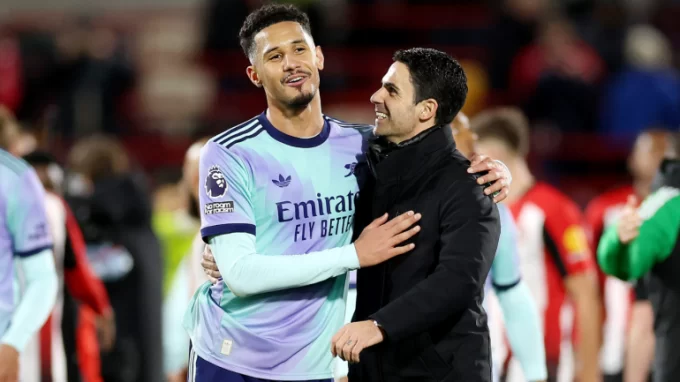
William Saliba: Arsenal’s Silent Architect or Its Greatest Gamble?
The air inside the Emirates shifts with unspoken tension—William Saliba, once a...
 Joseph Bennett2 Mins read
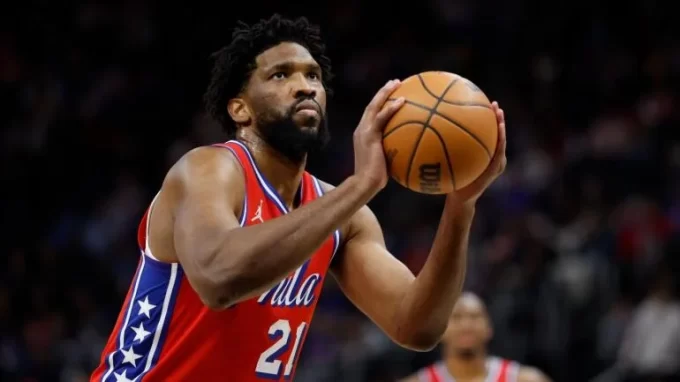
Joel Embiid’s Quiet Confidence: Is the 76ers’ Giant Ready to Rewrite His Story?
Joel Embiid is rarely one to make noise without purpose, and now,...
Kirsten Collins1 Mins read
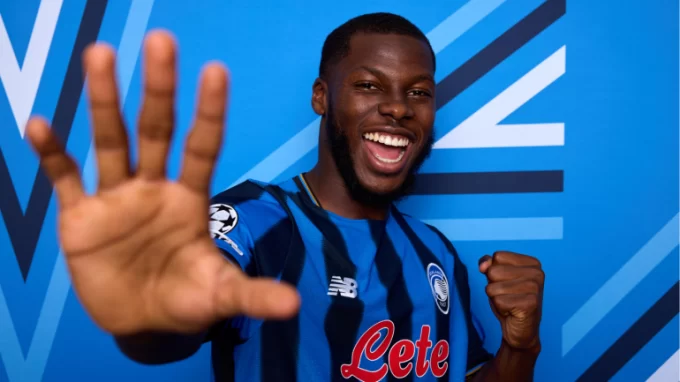
Juventus, Atalanta, and Arsenal’s Quiet Revolution: What’s Really Shaping This Week in Football?
The roar of Serie A stadiums masks a subtle shift, one that...
Kirsten Collins2 Mins read





Leave a comment