

Beautiful Music, Brutal Reality: When Ecstasy Meets Violence at the Rose Bowl
What should have been a night of transcendence at the Rüfüs Du Sol show unraveled into violence—forcing a reckoning about security, trauma, and the fragility of public joy.
 Joseph BennettAugust 22, 20252 Mins read18
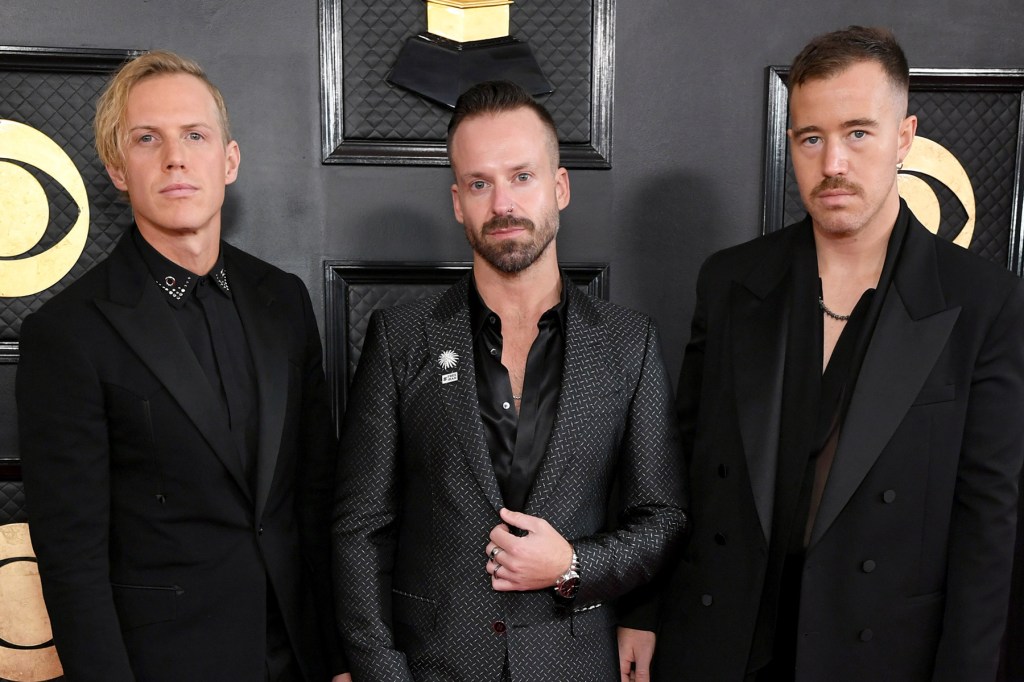
The beat dropped, lights pulsed, bodies moved—until a shadow fell through the rhythm, shattering the spell.
A night built on harmony collapsed in a single, chaotic spiral. At Rüfüs Du Sol’s Rose Bowl concert, what began as euphoria became a brutal betrayal: a woman struck unconscious, three injured, and a stadium that should have celebrated connection instead seethed with fear and uncertainty. The arrest of 23‑year‑old Julio Cesar Lopez Zavala, captured on video after a spilled drink spiraled into physical violence, forced the world to watch our fragility unravel in real time.
The question lingers—how does a moment of collective transcendence become a flashpoint of vulnerability?
When Joy Is Interrupted
Rüfüs Du Sol, known for forging emotional intimacy through electronic soundscapes, felt the blow personally. In a statement, the band described themselves as “heartbroken”—not only over what transpired, but because music’s most sacred moment was violated. The Rose Bowl, a stage built for spectacle, turned into a site of trauma. Attendees described the chaos afterward as a “free-for-all,” a breakdown in the systems meant to protect.
One concertgoer, visibly shaken, vowed never to return. “It was meant to be a concert—but it wasn’t,” they said. Their voice quivered with disillusionment.
The Visibility of Violence
The violence was stark not despite its visibility—but because it was. A viral video stripped anonymity from the attacker, prompting public identification, professional accountability—and eventually arrest. Shelby Elston, the victim, became a reluctant heroine of resilience: “I woke up in the medical tent… and missed the entire show,” she recounted. Her apology, met with aggression, became a haunting memoir of innocence assaulted.
She promised justice, both criminal and civil, refusing to let her silence be the final note.
When the music fades and the crowd disperses, what remains isn’t ecstasy—it’s the echo of how quickly joy can crumble. Can we rebuild the trust between artist and audience? Can we protect the sanctity of shared experience? When the dance stops, and adrenaline drains, we’re left asking—not just what happened on stage, but how we let it happen at all.
Perhaps the darkest truth is that our most beautiful gatherings are also our most vulnerable—and until that tension is held with vigilance, we’re always a step away from collapse.
Would you like a deeper exploration of venue safety protocols or survivor perspectives at live music events?







Laufey’s Opening Night Show at LA’s Crypto.com Arena: Best Moments
Laufey opened a two-night stand at Crypto.com Arena in downtown Los Angeles...
 Chris Marks6 Mins read

Julie Adam Is Billboard Canada Women in Music’s 2025 Exec of the Year
Julie Adam is having a milestone year — and it’s getting even...
Chris Marks4 Mins read
Spinal Tap Tribute Album with Foo Fighters,Tool for Teen Cancer America
Spinal Tap may be a fake band, but its music is very...
Chris Marks2 Mins read

AxMxP Is K-Pop Rookie of the Month for September: Exclusive Photos
Ha Yoo Joon Image Credit: Chin Soyeon You debuted on Sept. 10....
Chris Marks2 Mins read




Leave a comment