

Kendra Licari: Where Truth Meets the Shadows of High School Catfish
Once the face of Netflix’s High School Catfish, Kendra Licari’s story doesn’t end with the cameras. Her journey since the spotlight faded asks us to rethink who we really see behind the screens—and what happens when truth is stranger than fiction.
 Krista FreelandSeptember 4, 20251 Mins read39

netflix
She was once the young woman everyone wanted to unmask—Kendra Licari, star of High School Catfish, a story layered with deceit, heartbreak, and the fragile digital masks teenagers wear. But what happens when the cameras stop rolling? The girl who fascinated millions has quietly receded into shadows where truth, pain, and reinvention collide.
Kendra’s narrative is far from a simple cautionary tale. It raises uncomfortable questions about identity in a hyperconnected world where the lines between reality and fabrication blur daily. Has the spotlight changed her, or has she simply slipped through the cracks of a culture obsessed with exposing secrets?
The Illusion Beyond the Screen
Kendra’s story forced viewers to confront not just deception, but the yearning behind it—the desperate attempts to belong, to be loved, to escape. “It’s never just a lie,” someone close to her once noted, “it’s a silent cry for connection.” The Netflix series captured the spectacle but left much unspoken—the aftermath, the human complexity beyond the reveal.
Her journey after High School Catfish asks us to consider how social media shapes our realities—and whether anyone can truly recover when their identity becomes public property. Did Kendra find peace or did the echoes of her online past continue to define her? The mystery lingers, inviting us to look deeper.
Reclaiming the Self in a World That Watches
In a culture where exposure often equals judgment, Kendra’s current life remains largely a mystery. Has she mastered the art of reinvention or is she still tethered to the digital persona that once captivated millions? The silence is telling.
This isn’t just about one girl’s story; it’s about the fragile nature of identity in the age of surveillance and spectacle. When we peel back the layers of online deception, what do we find beneath? Redemption, reinvention, or the haunting permanence of a digital past?
The question remains: in a world that profits from revealing secrets, who gets to write the final chapter?







5 Things About the New HBO ‘Harry Potter’ Star – Hollywood Life
Image Credit: Aidan Monaghan/HBO Dominic McLaughlin may be a newcomer to Hollywood,...
 Kirsten Collins1 Mins read

Why Is Sora Shutting Down? Inside the Closure of the OpenAI App – Hollywood Life
Image Credit: NurPhoto via Getty Images Sora, the first standalone OpenAI app...
Kirsten Collins2 Mins read
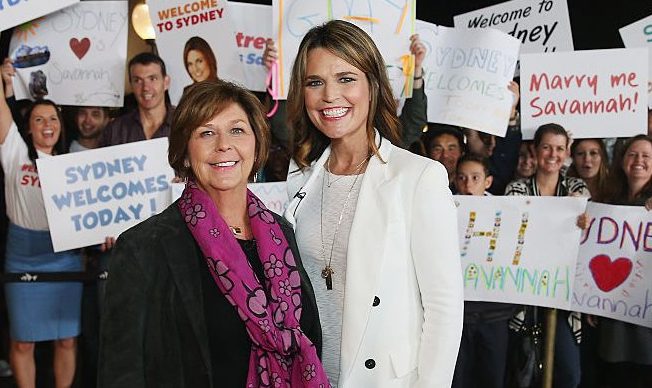
Is Savannah Guthrie Coming Back to the ‘Today’ Show? What We Know – Hollywood Life
Image Credit: Getty Images Savannah Guthrie has stepped away from the Today show...
Kirsten Collins2 Mins read
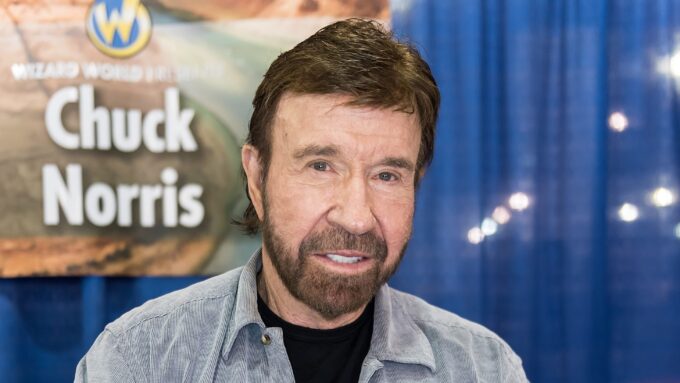
How Did Chuck Norris Die? Updates on the Late Actor’s Cause of Death – Hollywood Life
View gallery Image Credit: Getty Images Chuck Norris, the actor and martial...
Kirsten Collins2 Mins read





Leave a comment