

Taylor Swift’s Final Act: Reclaiming Her Legacy
After six years of legal battles and public disputes, Taylor Swift has regained ownership of her first six albums. This monumental achievement not only marks a personal victory but also reshapes the music industry's landscape.
 Kirsten CollinsMay 30, 20251 Mins read179

The music industry has always been a realm where artists pour their souls into their work, only to find that the rights to their creations often lie elsewhere. Taylor Swift’s journey to reclaim her music is a testament to the complexities and challenges artists face in maintaining ownership of their art.
In June 2019, the announcement that Scooter Braun had acquired Big Machine Label Group, and with it, the rights to Swift’s first six albums, sent shockwaves through the industry. Swift’s reaction was swift and public, expressing her dismay over the sale and the subsequent control over her life’s work. This event sparked a larger conversation about artist rights and the power dynamics within the music industry.
Determined to regain control, Swift embarked on the ambitious “Taylor’s Version” project, re-recording her early albums to assert ownership over her music. The success of this endeavor not only demonstrated her resilience but also highlighted the importance of artists retaining control over their creations.
The culmination of Swift’s efforts came in May 2025, when she announced the purchase of her original masters from Shamrock Capital. This deal, estimated to be worth between $600 million and $1 billion, marked a significant milestone in her career and a victory for artist autonomy.
However, the question remains: what does this mean for the future of artist rights? Swift’s journey has set a precedent, but will it inspire lasting change in an industry often criticized for its treatment of artists? As the music landscape continues to evolve, the impact of Swift’s battle will undoubtedly resonate for years to come.







Laufey’s Opening Night Show at LA’s Crypto.com Arena: Best Moments
Laufey opened a two-night stand at Crypto.com Arena in downtown Los Angeles...
 Chris Marks6 Mins read
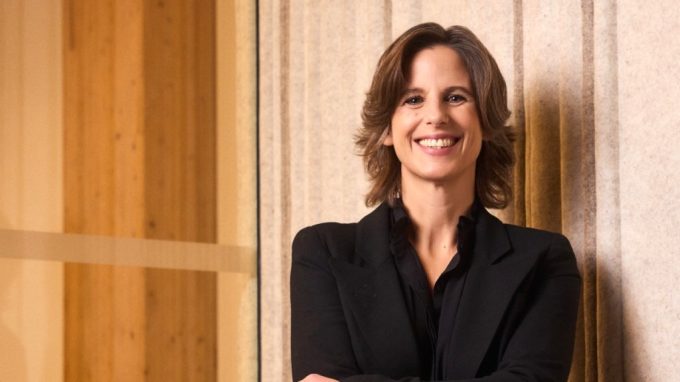
Julie Adam Is Billboard Canada Women in Music’s 2025 Exec of the Year
Julie Adam is having a milestone year — and it’s getting even...
Chris Marks4 Mins read
Spinal Tap Tribute Album with Foo Fighters,Tool for Teen Cancer America
Spinal Tap may be a fake band, but its music is very...
Chris Marks2 Mins read
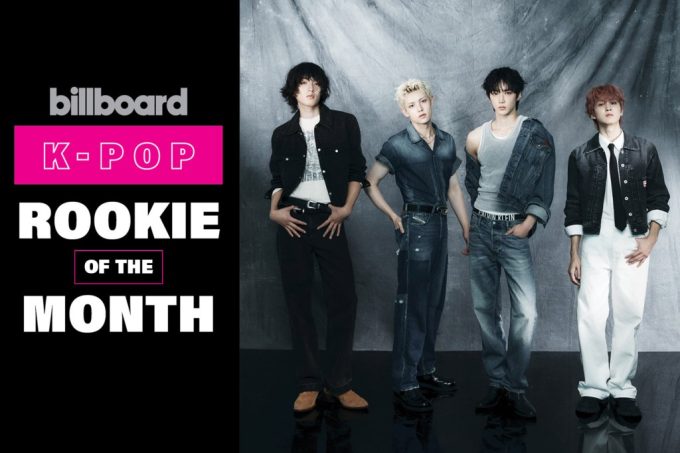
AxMxP Is K-Pop Rookie of the Month for September: Exclusive Photos
Ha Yoo Joon Image Credit: Chin Soyeon You debuted on Sept. 10....
Chris Marks2 Mins read




Leave a comment