

The Comeback Myth: Why We Obsess Over Returns That Aren’t Ours
Aaron Judge is stepping back into the Yankees lineup, and Caitlin Clark remains benched—but the spectacle isn’t in the stats. It’s in what we project onto their absence.
 Chris MarksAugust 6, 20252 Mins read16
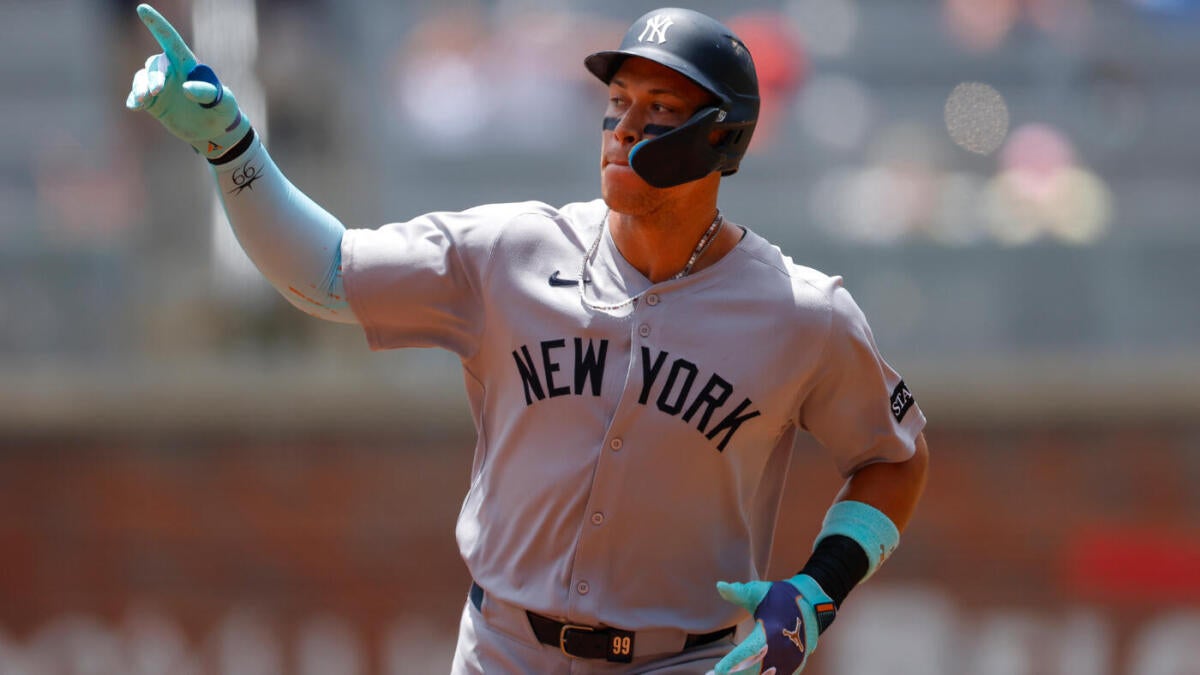
They cheer louder when you’re gone. That’s the paradox of the sports comeback—the strange choreography of collective longing we perform for athletes we barely know, but desperately want to see rise again. Aaron Judge is returning to the Yankees’ lineup with a kind of quiet inevitability, the sort of announcement that triggers a ripple of headlines, memes, and half-sincere declarations of “finally.” Meanwhile, Caitlin Clark remains off the court for the Indiana Fever—her status uncertain, her silence scrutinized more than her stats ever were.
But the fascination here isn’t about physical recovery. It’s about narrative recovery. We want these figures—towering, talented, tethered to our teams—to play their roles in our emotional dramaturgy. One returns. One waits. And we, watching from a distance, feel something suspiciously like ownership.
When Absence Becomes the Main Event
Aaron Judge has always carried a kind of mythic heft, as though he were born to be both a baseball player and a metaphor. Now, with his re-entry into the game, the narrative machine stirs: Can he save the season? Will he be enough? The Yankees aren’t just rebuilding their roster—they’re resuscitating belief. But here’s the quiet discomfort: our obsession with “comebacks” masks an unease with stillness, vulnerability, and waiting.
Then there’s Caitlin Clark, still sidelined, suspended between hype and hush. Her rookie season began with a media frenzy that turned her into both the product and the promise. But now, with no fixed return date, she occupies a cultural vacuum where myth is louder than movement. And in that vacuum, expectations metastasize. One ESPN analyst noted, “She’s not just missing games—she’s missing her moment.” But who decided when that moment should be?
We Cheer What We Need, Not What They Are
These returns—and non-returns—aren’t really about the athletes. They’re about us. About what we need them to symbolize: resilience, redemption, relevance. Aaron Judge isn’t just an outfielder; he’s the embodiment of stability in a game that feels increasingly unmoored. Caitlin Clark, meanwhile, has become a stand-in for women’s sports equity, fandom, and future—all while recovering in silence.
And silence, in the sports world, is rarely allowed to speak for itself. We interpret it. Fill it. Turn it into storylines. The media, of course, amplifies the myth. But so do we, scrolling, speculating, constructing the “return arc” before the body has even healed. It’s not cruelty—it’s craving. But it reveals a truth we don’t often admit: the comeback story is rarely for the one coming back.
In a week, Judge will likely hit a home run. Clark may quietly return, or not. The cameras will roll either way. But here’s a question that lingers long after the press releases fade: Why are we more moved by the idea of return than by the reality of presence? And what happens to those who never asked to be part of our myth?






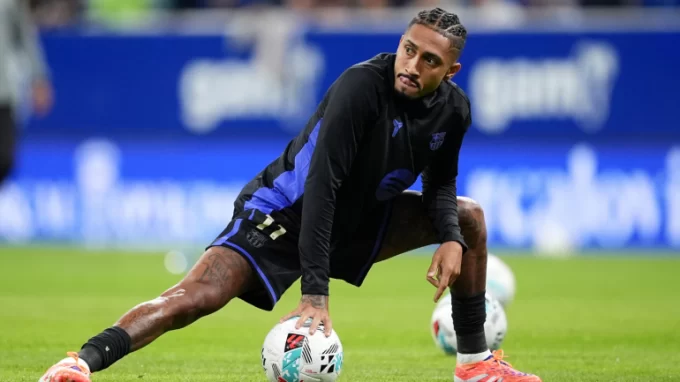
Barcelona’s Fragile Pursuit: When Injuries Threaten More Than Just a Season
A silence spreads over Camp Nou that no roar can drown out—two...
Chris Marks2 Mins read
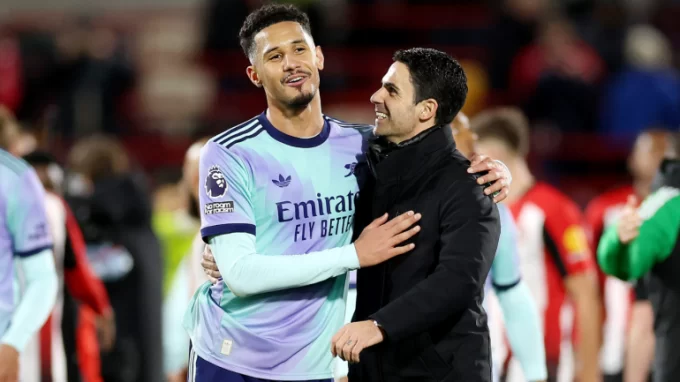
William Saliba: Arsenal’s Silent Architect or Its Greatest Gamble?
The air inside the Emirates shifts with unspoken tension—William Saliba, once a...
 Joseph Bennett2 Mins read
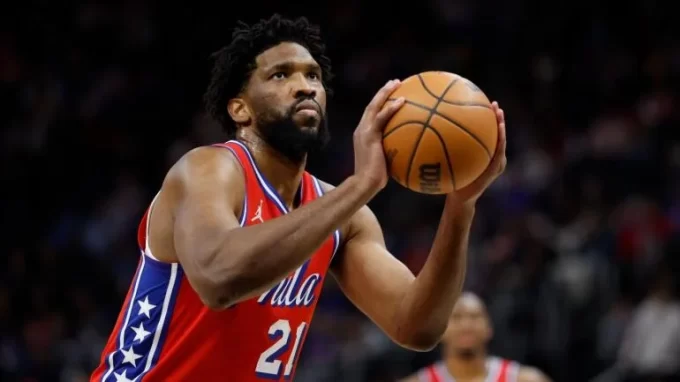
Joel Embiid’s Quiet Confidence: Is the 76ers’ Giant Ready to Rewrite His Story?
Joel Embiid is rarely one to make noise without purpose, and now,...
 Kirsten Collins1 Mins read
Juventus, Atalanta, and Arsenal’s Quiet Revolution: What’s Really Shaping This Week in Football?
The roar of Serie A stadiums masks a subtle shift, one that...
Kirsten Collins2 Mins read




Leave a comment