

Jailhouse Whispers: Bryan Kohberger’s Claims of Harassment Echo Darker Truths
Behind bars, convicted killer Bryan Kohberger alleges sexual harassment from fellow inmates—graphic threats and a plea for transfer raise unsettling questions of vulnerability and power in a world where he's already stripped of both.
 Chris MarksAugust 20, 20251 Mins read14
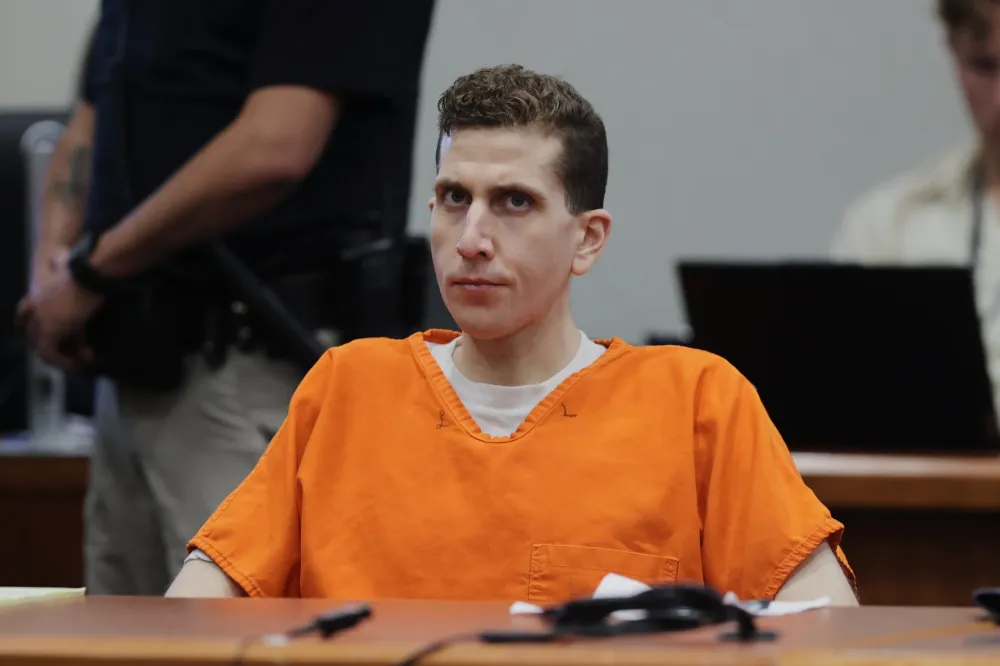
He wakes to whispers twisting through the narrow vents—threats so graphic they carve terror under his unblinking eyes. Bryan Kohberger, convicted of one of the most brutal slayings in recent history, insists the weapon has become words—a torrent of sexual harassment leveled at him within a day of his arrival at J Block. A man condemned outside now claims persecution within. And suddenly, the prison feels less like a cage and more like a stage of silent cruelty.
In that disclosure lies both vulnerability and provocation. Is it real? Or is it part of a strategy—a way to reclaim agency where he was long ago stripped of it? The question lingers like a cold breath in a stone corridor.
When the Predator Becomes the Prey
Prison walls don’t discriminate. Kohberger—who once wielded the power of fear—now recounts being taunted with threats of rape, hooded in language meant to terrify. He asked for transfer, his handwritten plea folded into the bureaucratic machinery of the Idaho Department of Corrections. Yet officials remain unmoved, calling J Block “typically calm”—a statement that sounds as hollow as his claim feels urgent.
This reversal of roles—hunter to hunted—underscores a darker truth: torture need not be physical to be profound. The question now is what we do with such claims. Do we absolve the prisoner of empathy because of his crimes, or do we hold the system accountable for failing even those we loathe?
Silence in the Cells, Echoes in the Mind
The psychological weight is immense. One former detective describes inmates shouting through vents day and night—an assault not of fists, but of sound, relentless and personal. Kohberger’s own account: flooded cells, taunts that brush against dignity. Officials maintain he’s safe, but safety unacknowledged is only as real as the system lets it be.
There’s a beauty in truth, even when it comes from monsters. And in Kohberger’s agony, we witness a narrative shift—one that refuses to let us bury complexity under blanket judgments.
In that frenzy of whispered threats lies a question as old as justice itself: when we cage the worst of us, who watches over the cage?







When Mercy Meets Tragedy: The Widow Who Forgave Her Husband’s Killer
The air thickens when forgiveness enters a room meant for grief. Imagine...
Chris Marks1 Mins read

When Fear Became a Lifeline: Pete Davidson’s Reckoning in Rehab
There’s a silence that follows a mother’s voice when she confesses her...
 Joseph Bennett1 Mins read

Pete Davidson’s mom told him in rehab worst fear was learning he died
Pete Davidson is opening up about the heartbreaking moment he had with...
Chris Marks2 Mins read

Katie Couric’s Unexpected Spin on Sydney Sweeney’s American Eagle Ad: What’s Really Being Said?
Katie Couric stepping into a scene dominated by Gen Z glamour feels...
 Krista Freeland2 Mins read




Leave a comment