

A Milan Move with an American Twist: Pulisic, Musah, and Tare’s Bold Blueprint
An Albanian legend, an American star, and a confident young talent: AC Milan's new structure—sporting director Igli Tare with Christian Pulisic and Yunus Musah—begs the question: is this the reset that redefines the Rossoneri?
 Chris MarksJune 25, 20252 Mins read15
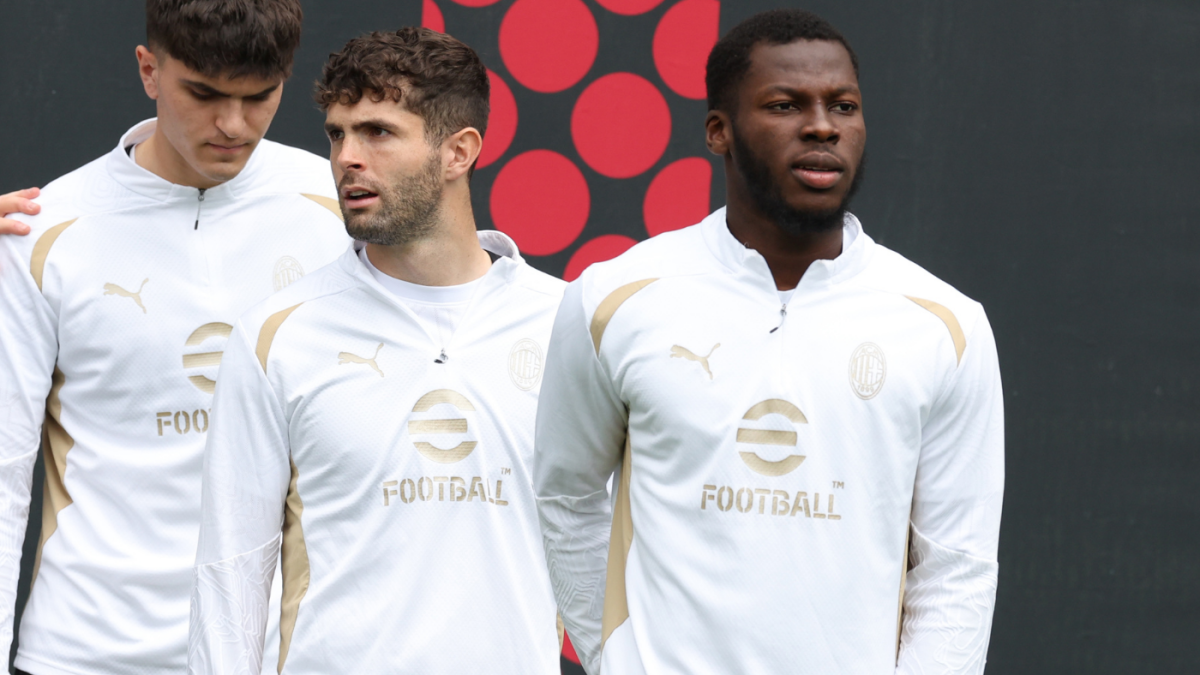
The AC Milan boardroom felt like a chess match—until the Albanian bishop, Igli Tare, strode onto the board. Now the question echoes through the corridors: can this be the checkmate that Milaners have been craving?
It begins with Tare. An architect of Lazio’s trophy-laced era—three Coppe Italia, three Super Cups—he’s been handed Milan’s reset button. He speaks of “redemption and belonging,” yet behind the polished words lies a challenge: can the veteran maneuver Milan’s tangled power web and make genuine moves, not just marquee noises?
Two Americans, One Rossonero Dream
On the pitch, Christian Pulisic has grown into his Milan skin: scoring Serie A defining goals, winning the Supercoppa, and learning Italian till he’s “answering in it”. His boundless competitiveness—“one of the most competitive people you’ll ever meet”—isn’t a cliché but a lived truth. Beside him, Yunus Musah, the 20‑year‑old dynamo with Italian roots, full of youthful exuberance, “smiling so much” at his San Siro arrival. Their connection—national team comrades, now club allies—feels like a statement: this reboot is American-accented, bold and confident.
But beneath the camaraderie is rivalry. Musah joked about translating for Pulisic at first; now he’s his Italian wingman, soaking in both culture and expectation. Their synergy begs the question—can this transatlantic duo redefine midfield in Milan, or will one eclipse the other?
Tare’s Tactical Tension
Yet the lab has fragile elements. Reddit whispers flagged power struggles—Zlatan’s influence, Furlani’s dominance, and concerns of Tare being sidelined. Tabs on Milan media want clarity: will Tare hold a decisive pen or act as another consultant in the triangular headache? Milan needs a maestro, not a figurehead.
Tare’s vision isn’t vague: he speaks of redemption. But can he balance Italian nuance—transfers, youth development, tactical identity—with Milan’s hunger for immediate Europe, even as fans grow impatient?
A Redefining Reset?
Here is where questions swirl: Can Tare manage egos while molding a philosophy around two Americans and a storied Italian club? Will Pulisic’s creative bursts and Musah’s box-to-box fuel something more than bulletin‑board goals? Is this a Milan identity only whispered about—global yet rooted—finally coming to life?
The challenge is intellectual and emotional—structuring in boardrooms, balancing in midfield, and building in San Siro. The new Milan isn’t just about hiring well; it’s about aligning power, performance, and personality. If any of the three falter, the ripple effect strikes deeper than transfers or tactics.
But if Tare, Pulisic, and Musah align—if ambition meets structure and talent embraces vision—Milan may not just return: it might reinvent itself. That’s the game worth watching.
After all, the question isn’t whether Milan reset—it’s whether it reimagined.






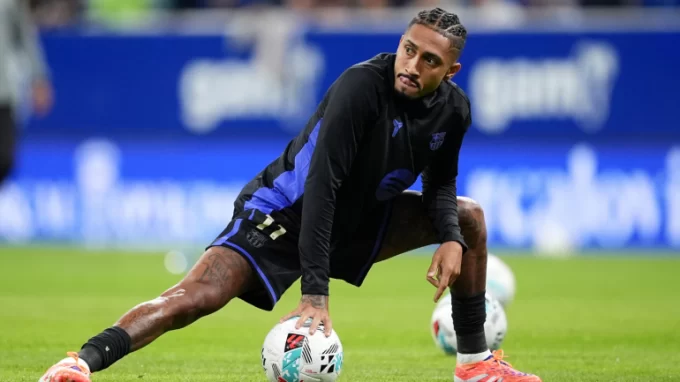
Barcelona’s Fragile Pursuit: When Injuries Threaten More Than Just a Season
A silence spreads over Camp Nou that no roar can drown out—two...
Chris Marks2 Mins read
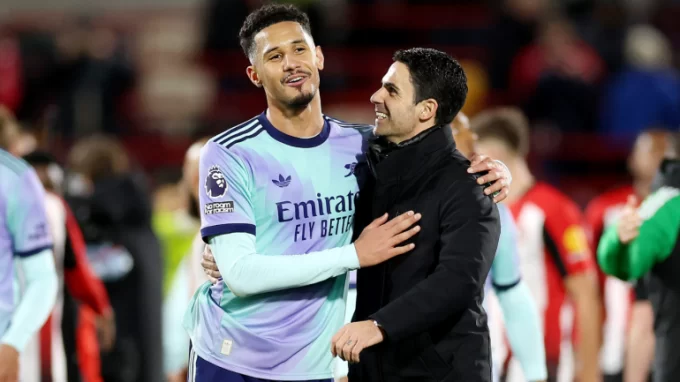
William Saliba: Arsenal’s Silent Architect or Its Greatest Gamble?
The air inside the Emirates shifts with unspoken tension—William Saliba, once a...
 Joseph Bennett2 Mins read
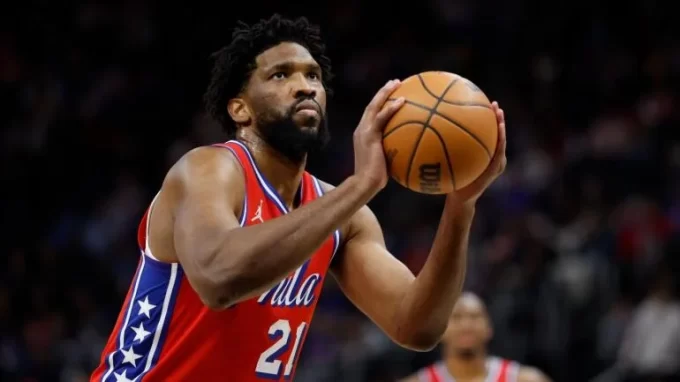
Joel Embiid’s Quiet Confidence: Is the 76ers’ Giant Ready to Rewrite His Story?
Joel Embiid is rarely one to make noise without purpose, and now,...
 Kirsten Collins1 Mins read
Juventus, Atalanta, and Arsenal’s Quiet Revolution: What’s Really Shaping This Week in Football?
The roar of Serie A stadiums masks a subtle shift, one that...
Kirsten Collins2 Mins read





Leave a comment