

Mariska’s Crash and the Ghost of Jayne Mansfield
Mariska Hargitay survived a motorcycle accident eerily connected to her late mother, Jayne Mansfield. But was it coincidence—or a haunting inheritance?
 Kirsten CollinsJuly 28, 20252 Mins read11
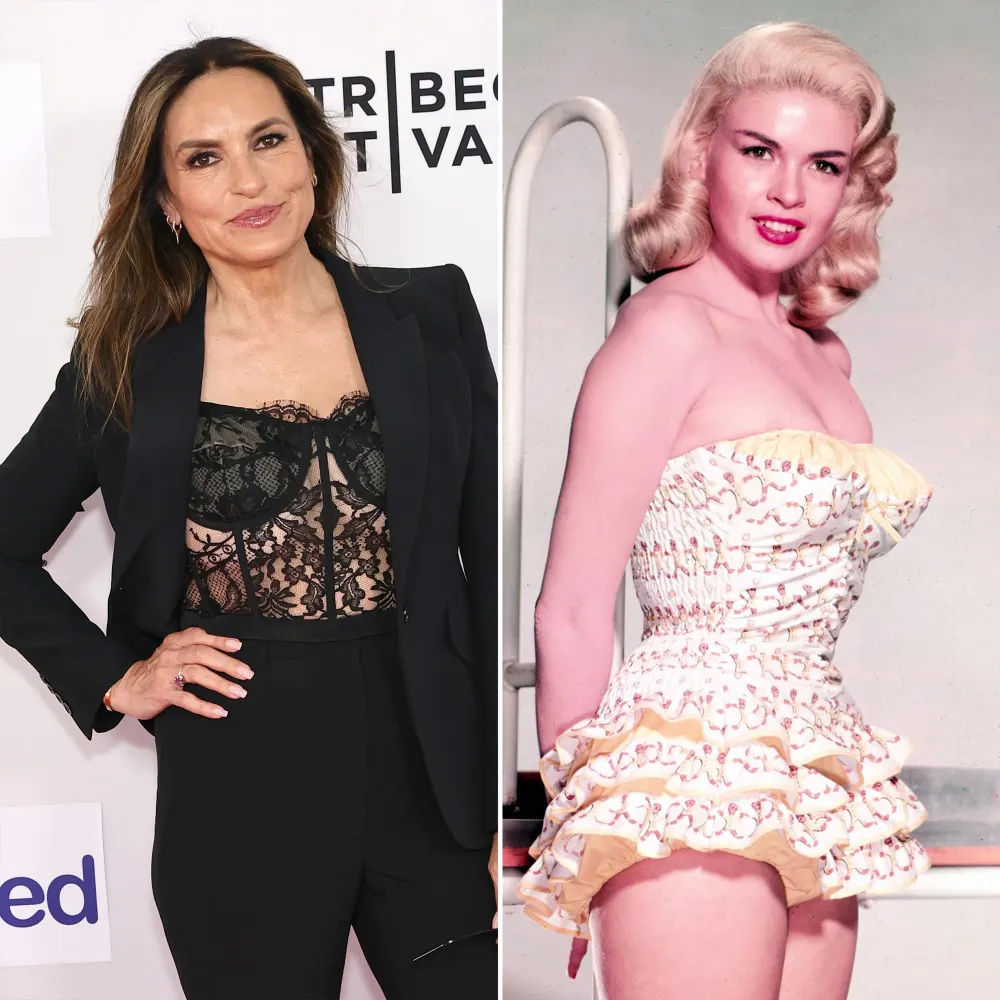
The crash didn’t kill her—but it did something else. Something harder to name. When Mariska Hargitay was thrown from a motorcycle during a routine ride with her husband, she didn’t just collide with the road. She collided with memory. With myth. With a tragedy that predates her fame but defines her shadow.
There’s a strange poetry to surviving the very thing that built your mythology. Hargitay, daughter of Jayne Mansfield—the Hollywood blonde bombshell who died in a 1967 car crash so brutal it changed traffic safety laws—was just three years old when it happened. She was asleep in the back seat. Too young to remember. Too old to forget.
Time Doesn’t Heal, It Repeats
This recent motorcycle crash was minor in the eyes of Hollywood press. But for Hargitay, it cracked open a sealed room. “It was the eeriest, most spiritual experience of my life,” she said, her words less recollection and more revelation. She didn’t say trauma. She said echo. And there’s a difference.
The idea that certain wounds are inherited—that pain can skip generations but never miss—is not new. But rarely do we see it play out so literally. Mariska didn’t chase danger. It found her again, like a story refusing revision. And what does that say about fate, or fear, or the roles women are handed in both film and life?
Jayne was spectacle. Mariska is substance. Yet here they are, two blondes on the edge of American imagination, both marked by steel, speed, and survival. The daughter lives a life built from the shrapnel of a Hollywood fairytale gone dark—and somehow, she turned it into grace.
The Weight of Being Witness and Heir
There’s a reason Hargitay has spent decades playing Olivia Benson, a woman built on justice, resilience, and control. It’s not a role. It’s a counter-narrative. On screen, she rights the kinds of wrongs that, in real life, shattered her origin. And yet the accident—this modern-day flicker of a generational wound—reminds us that no woman, no matter how strong, outruns the past forever.
There’s something unshakable about her presence: regal but accessible, soft-spoken but commanding. Her life, long outlasting the glamor-drenched myth of her mother’s, now loops back in a strange poetic circuit. Is this what legacy means? To carry the beauty, the tragedy, and the unspoken contract of visibility?
Jayne Mansfield wanted to be seen. Mariska Hargitay wants to be heard. And somewhere between those two desires, between wreckage and resilience, lives a story America keeps watching—maybe because it mirrors our own broken inheritance.
The road didn’t take her. Not this time. But some part of her was clearly waiting for the impact.



When Mercy Meets Tragedy: The Widow Who Forgave Her Husband’s Killer
The air thickens when forgiveness enters a room meant for grief. Imagine...
 Chris Marks1 Mins read
When Fear Became a Lifeline: Pete Davidson’s Reckoning in Rehab
There’s a silence that follows a mother’s voice when she confesses her...
 Joseph Bennett1 Mins read
Pete Davidson’s mom told him in rehab worst fear was learning he died
Pete Davidson is opening up about the heartbreaking moment he had with...
Chris Marks2 Mins read
Katie Couric’s Unexpected Spin on Sydney Sweeney’s American Eagle Ad: What’s Really Being Said?
Katie Couric stepping into a scene dominated by Gen Z glamour feels...
 Krista Freeland2 Mins read




Leave a comment