

Why Has Shemar Stewart’s Signature Not Landed? The Silent Storm Behind the Bengals’ First-Round Enigma
Shemar Stewart remains the only 2025 first-round NFL draft pick unsigned, and beneath this unusual delay lies a labyrinth of agent strategy, team tactics, and untold questions that ripple far beyond the contract itself.
 Joseph BennettJuly 16, 20251 Mins read19
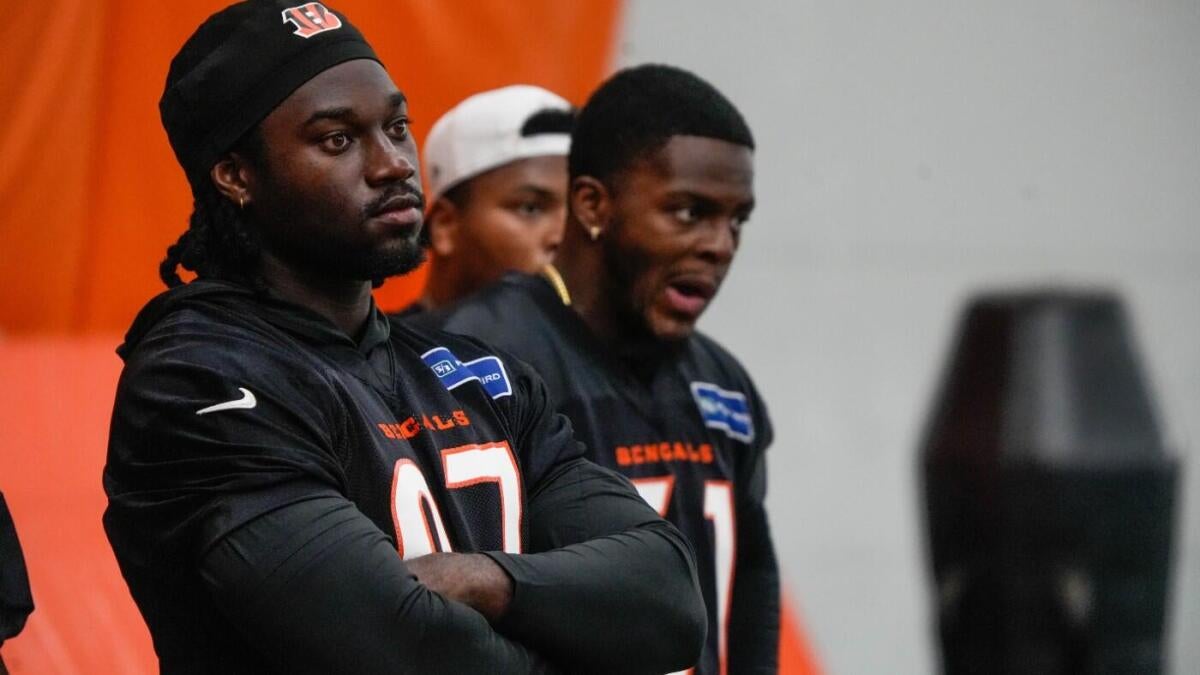
A first-round pick unsigned months into the off-season? In the NFL, that’s a headline that doesn’t just whisper — it shouts uncertainty and hints at a silent war beneath the surface. Shemar Stewart, the Bengals’ prized 2025 first-rounder, remains conspicuously absent from contract rosters, leaving agents, analysts, and fans circling a question they didn’t expect to ask this late: Why?
Behind the scenes, the silence isn’t just awkward—it’s strategic.
The Quiet Negotiation Theater
Contracts are usually prosaic transactions, but with Stewart, they’re becoming an unfolding drama. Agents reveal a delicate chess match, where every concession and demand holds the weight of careers and fortunes. “It’s not just about numbers,” one source confided, “it’s about setting a precedent for the future.” Is this delay a sign of confidence or calculated risk? Does Stewart’s camp sense a shifting power dynamic in rookie negotiations?
The Bengals, too, play their part. What appears as patience on the surface could mask a rigid stance designed to test the player’s resolve—or perhaps, reveal something more unsettling about team valuation and trust.
More Than a Signature: Power, Patience, and Perception
What if this holdout isn’t a standoff but a message? In a league built on fleeting contracts and fleeting fame, Stewart’s silence disrupts the narrative. It asks us to consider: who truly holds the leverage in these high-stakes negotiations? The player? The team? Or the unseen influence of agents crafting the future of athlete representation?
This delay carries an unsettling question about control—how much of a rookie’s career is really theirs? Stewart’s refusal to sign isn’t just a pause; it’s a mirror reflecting the tensions of modern professional sports.
In the space where a signature should be, we find instead a quiet storm — a reminder that sometimes, the most powerful plays happen before the whistle blows.





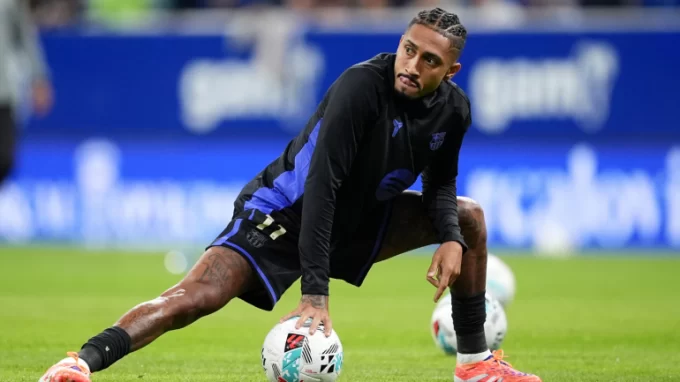
Barcelona’s Fragile Pursuit: When Injuries Threaten More Than Just a Season
A silence spreads over Camp Nou that no roar can drown out—two...
 Chris Marks2 Mins read
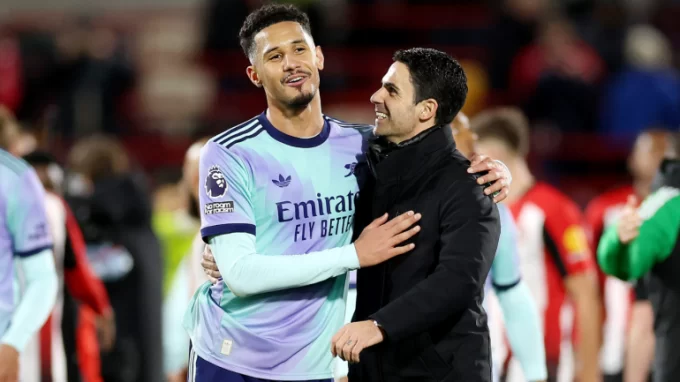
William Saliba: Arsenal’s Silent Architect or Its Greatest Gamble?
The air inside the Emirates shifts with unspoken tension—William Saliba, once a...
Joseph Bennett2 Mins read
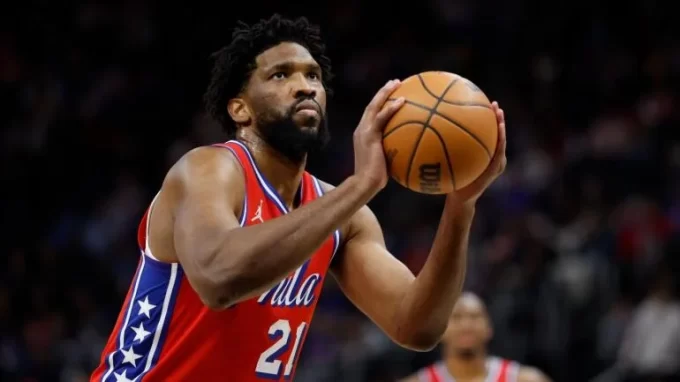
Joel Embiid’s Quiet Confidence: Is the 76ers’ Giant Ready to Rewrite His Story?
Joel Embiid is rarely one to make noise without purpose, and now,...
 Kirsten Collins1 Mins read
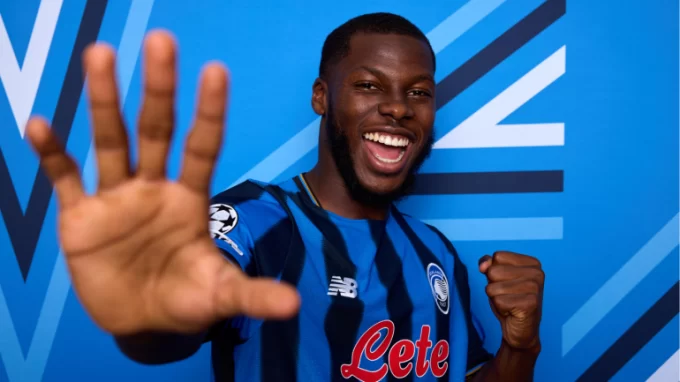
Juventus, Atalanta, and Arsenal’s Quiet Revolution: What’s Really Shaping This Week in Football?
The roar of Serie A stadiums masks a subtle shift, one that...
Kirsten Collins2 Mins read





Leave a comment