

The Christian Wilkins Release: A Calculated Gamble or a Cultural Crack?
Christian Wilkins didn’t just walk out of the Raiders’ building—he left behind a question no one in the front office seems prepared to answer. The fall-out isn’t just strategic. It’s symbolic.
 Kirsten CollinsJuly 30, 20252 Mins read22
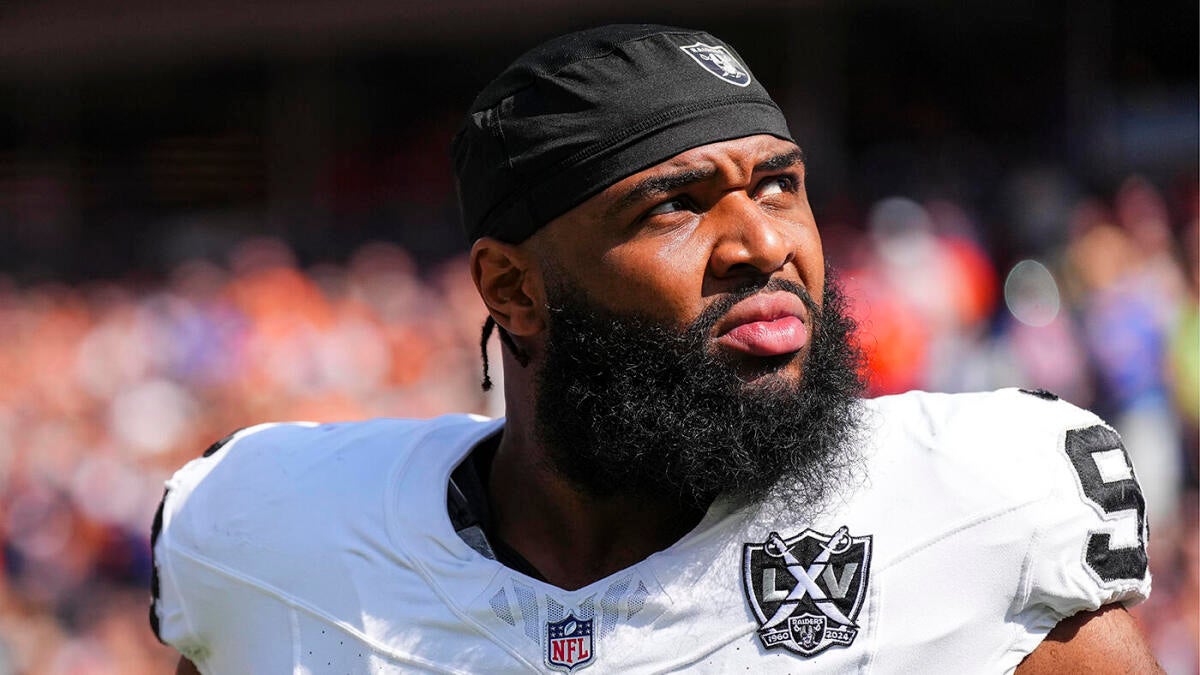
The hallway was too quiet for July. That’s what one insider said about the moment Christian Wilkins’ release went from rumor to reality. No shouting. No last-ditch meeting. Just a vacuum—and an echo of silence that said far more than any press release.
The Raiders had signed him in March with a kind of theatrical certainty. Big money. Bigger vision. Wilkins was supposed to be the new spine of a fractured defense. But less than five months later, the ink might as well have dried in vanishing ink. Now, no one in Vegas is really answering the question: was this about performance, personality, or power?
Where the Paper Ends and the Politics Begin
To understand this move is to understand what NFL agents are whispering in texts they’ll never leak. “If this can happen to Wilkins,” one reportedly said, “it can happen to anyone.” This wasn’t a cap casualty. It was a temperature check on a league increasingly allergic to strong-willed, high-visibility locker room voices—especially the ones who don’t shrink when the narrative turns.
Wilkins wasn’t just a stats guy. He was a culture guy. And in the NFL, “culture” is the word teams weaponize when they don’t want to say what they really mean. He played loud. He played smart. He played like someone who wasn’t there just to fill gaps—but to question who put them there in the first place. Was that the real issue?
The Raiders front office insists it’s financial rebalancing. But if that’s true, why does it feel like a warning shot to the rest of the roster?
Sin City, Smoke Screens, and Short-Term Memory
The NFL has always dressed its dysfunction in tailored suits. The Wilkins decision, though, feels different—like a franchise hitting delete before reading the whole email. There’s a subtle vanity in it: the belief that one star won’t affect the lights of the Strip. But football isn’t Vegas. There are no slots, just snaps. And the locker room isn’t a casino—it remembers.
This decision may not tank the Raiders season. But it will stain it. Every big defensive breakdown will now carry the ghost of a different outcome. Every botched coverage will invite a familiar question: what if Wilkins was still here?
The most dangerous thing about this isn’t the move itself—it’s what it reveals about the mindset behind it. An impatience with personality. A distrust of voice. A fear, maybe, of players who play both the game and the system.
And the irony? Wilkins, for all his fire, never played the media game like a diva. He played it like a man who thought winning was the story. Perhaps he didn’t understand that in Vegas, stories are just stagecraft until someone actually bets on them.
So what exactly did the Raiders bet on this time—and what are they so afraid of losing?
Sources: Showline.tv, NFLPA Insider Briefings, ESPN Player Reports.






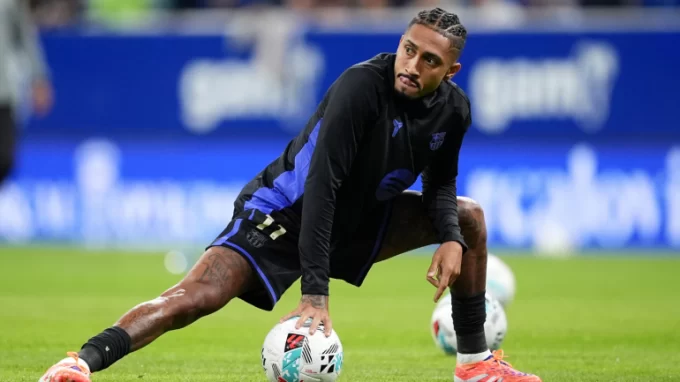
Barcelona’s Fragile Pursuit: When Injuries Threaten More Than Just a Season
A silence spreads over Camp Nou that no roar can drown out—two...
 Chris Marks2 Mins read
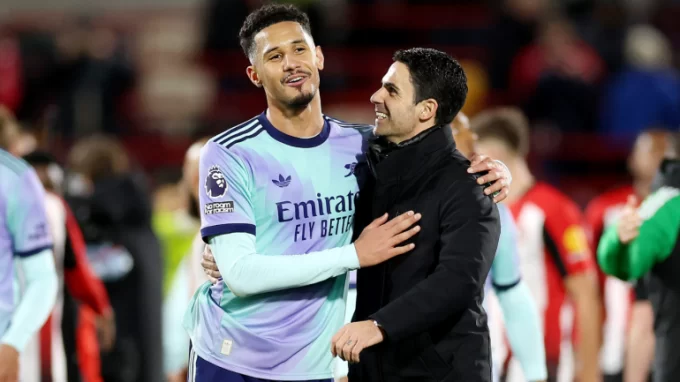
William Saliba: Arsenal’s Silent Architect or Its Greatest Gamble?
The air inside the Emirates shifts with unspoken tension—William Saliba, once a...
 Joseph Bennett2 Mins read
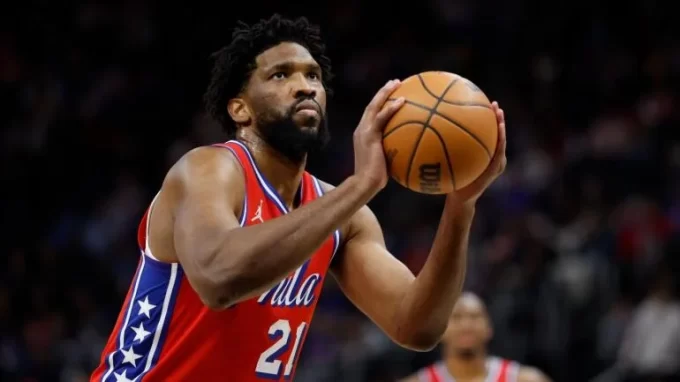
Joel Embiid’s Quiet Confidence: Is the 76ers’ Giant Ready to Rewrite His Story?
Joel Embiid is rarely one to make noise without purpose, and now,...
Kirsten Collins1 Mins read
Juventus, Atalanta, and Arsenal’s Quiet Revolution: What’s Really Shaping This Week in Football?
The roar of Serie A stadiums masks a subtle shift, one that...
Kirsten Collins2 Mins read





Leave a comment