

When Agents Take the Wheel: The Quiet Battle Behind Contract Disputes
In the shadowy dance between athletes and franchises, agents emerge as both saviors and saboteurs. As fatigue sets into contract negotiations, teams scramble for solutions—but are these options truly enough to tame the tempest?
 Krista FreelandAugust 20, 20251 Mins read13

The clock ticks relentlessly in the shadows of locker rooms and boardrooms, where contract talks stretch into the realm of exhaustion and brinkmanship. Agents—those enigmatic puppeteers of power—hold a grip that can either steer negotiations to calm waters or send them spiraling into chaos. But what happens when fatigue dulls the edges of strategy, and teams find themselves grasping for alternatives to the agent-driven impasse?
Behind every headline about a star player’s holdout or a sudden trade rumor lies a more intricate story—a war of wills where the agents’ influence is both weapon and shield. The question lingers: are teams equipped to navigate these storms alone, or are they forever bound to the whims of these relentless middlemen?
Power Plays Beyond the Field
Negotiations, often romanticized as purely business, reveal deeper narratives of control and resistance. Agents fatigue teams not just with demands but by leveraging relationships and timing, pushing boundaries until cracks appear. Yet, some franchises have begun exploring innovative strategies—using internal negotiations, player development focus, or alternative dispute resolutions—to wrestle back some control. But can these methods truly dismantle the entrenched power agents wield? One insider confided, “It’s a chess match disguised as a handshake.”
The Hidden Cost of Fatigue
Fatigue isn’t just physical or mental; it’s strategic erosion. When negotiations drag, frustration seeps into locker rooms and front offices alike, reshaping alliances and, sometimes, careers. The silent toll on team dynamics and player morale is seldom visible but profoundly felt. Agents, with their calculated patience, often thrive in this weariness, turning exhaustion into leverage. How long before the industry’s reliance on these agents sparks a reckoning—a shift in the balance of power?
The clash between agents and teams is far from a simple narrative of conflict; it is a labyrinth of ambition, influence, and subtle power plays. As teams search for new weapons against fatigue and control, the game behind the game asks us: who truly holds the winning hand when the final whistle blows?






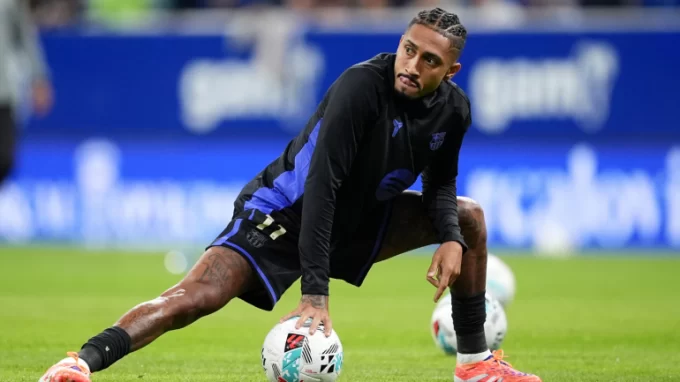
Barcelona’s Fragile Pursuit: When Injuries Threaten More Than Just a Season
A silence spreads over Camp Nou that no roar can drown out—two...
 Chris Marks2 Mins read
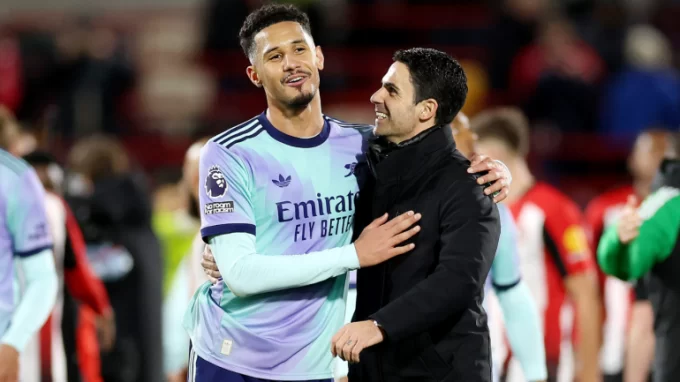
William Saliba: Arsenal’s Silent Architect or Its Greatest Gamble?
The air inside the Emirates shifts with unspoken tension—William Saliba, once a...
 Joseph Bennett2 Mins read
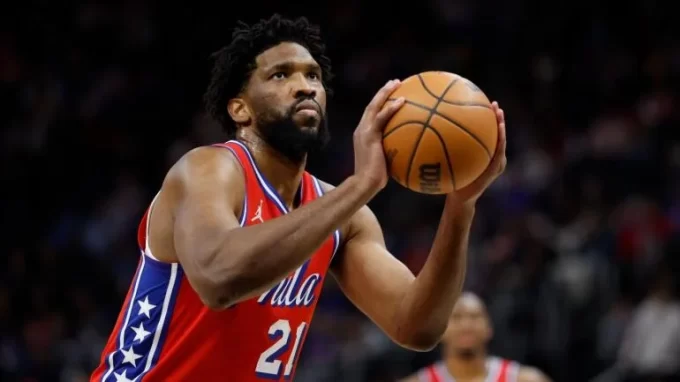
Joel Embiid’s Quiet Confidence: Is the 76ers’ Giant Ready to Rewrite His Story?
Joel Embiid is rarely one to make noise without purpose, and now,...
 Kirsten Collins1 Mins read
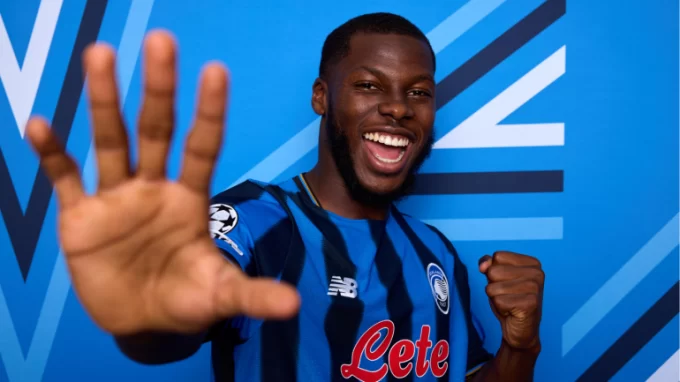
Juventus, Atalanta, and Arsenal’s Quiet Revolution: What’s Really Shaping This Week in Football?
The roar of Serie A stadiums masks a subtle shift, one that...
Kirsten Collins2 Mins read




Leave a comment