

Ana Bárbara’s Night Before Surgery: Celebration or Recklessness?
Ana Bárbara Buhr Buldrini was seen partying with her doctor just hours before a critical surgery—an odd prelude that has tongues wagging and questions swirling about the blurred lines between celebrity, medicine, and choice.
 Chris MarksJune 25, 20251 Mins read17
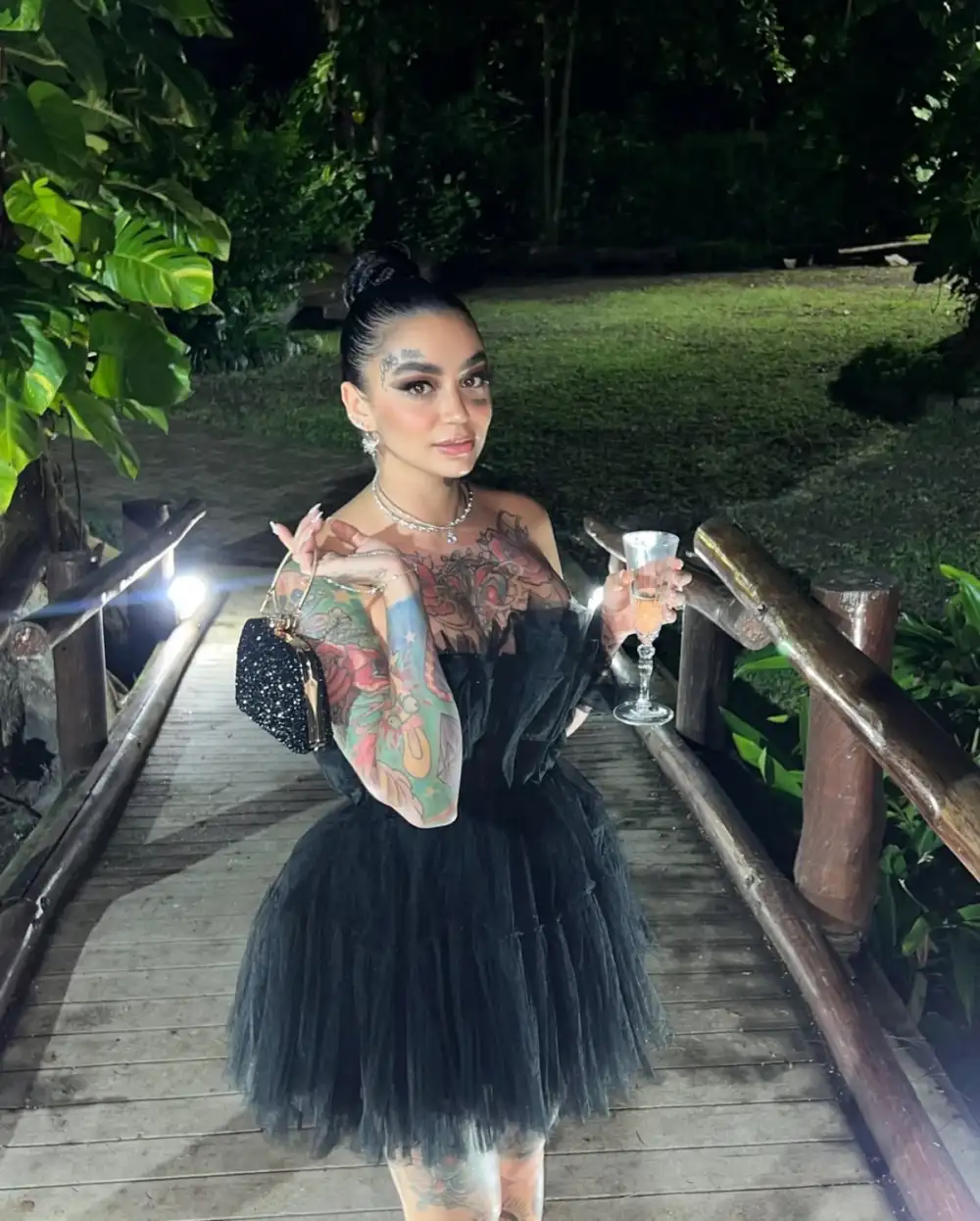
The night before you’re scheduled for surgery, the last thing most of us imagine is throwing back drinks with the very person holding our life in their hands. Yet Ana Bárbara Buhr Buldrini, a figure cloaked in both glamour and grit, chose exactly that. A surreal mingling of medicine and celebration unfolded, challenging every assumption about control, vulnerability, and what it means to face mortality on one’s own terms.
Why would a woman about to undergo a serious operation invite a night of revelry with her doctor? Is this audacity or a desperate grasp at normalcy before stepping into the unknown?
When Celebration and Risk Collide
The images and whispers emerging from that evening paint a tantalizing contradiction: a celebrated singer and her surgeon, breaking bread—or perhaps more—and laughing away the looming shadows of the next day. Ana’s circle hints at something deeper than frivolity, a quiet rebellion against the scripted fear that often accompanies health crises.
One insider remarked, “Ana has always lived fiercely, and this was her way of seizing control. But it also raises unsettling questions about boundaries—both personal and professional.” Could this moment of bold defiance blur ethical lines in ways we’re uncomfortable acknowledging?
The Anatomy of a Public Health Drama
Ana Bárbara’s story is more than a celebrity anecdote; it’s a mirror reflecting how public figures navigate illness under the public eye—where privacy is a luxury, and every choice is scrutinized. Her decision to mix pleasure and peril in such proximity exposes the often unseen emotional complexity beneath the headlines.
It’s worth asking: are we witnessing a rare expression of human complexity or a cautionary tale of blurred roles and risk? “Life doesn’t pause for surgery,” Ana once said in an interview, but what happens when life’s party dances too close to the edge?
Ana Bárbara’s pre-surgery night lingers in the mind like a whispered secret—wild, perplexing, and oddly poetic. It reminds us that the story behind every headline is often messier than it appears. How do we reconcile the stark realities of health with the irrepressible urge to live fully? And in that tension, what truths are left unspoken?







When Mercy Meets Tragedy: The Widow Who Forgave Her Husband’s Killer
The air thickens when forgiveness enters a room meant for grief. Imagine...
Chris Marks1 Mins read

When Fear Became a Lifeline: Pete Davidson’s Reckoning in Rehab
There’s a silence that follows a mother’s voice when she confesses her...
 Joseph Bennett1 Mins read

Pete Davidson’s mom told him in rehab worst fear was learning he died
Pete Davidson is opening up about the heartbreaking moment he had with...
Chris Marks2 Mins read

Katie Couric’s Unexpected Spin on Sydney Sweeney’s American Eagle Ad: What’s Really Being Said?
Katie Couric stepping into a scene dominated by Gen Z glamour feels...
 Krista Freeland2 Mins read





Leave a comment