

The Witch’s Whisper: Who Is Aunt Gladys, Really?
Amy Madigan morphs into the eerie heart of Weapons—and now the chilling runt of the cast may spin her own dark origin story in whispers and shadows.
 Chris MarksAugust 15, 20252 Mins read14
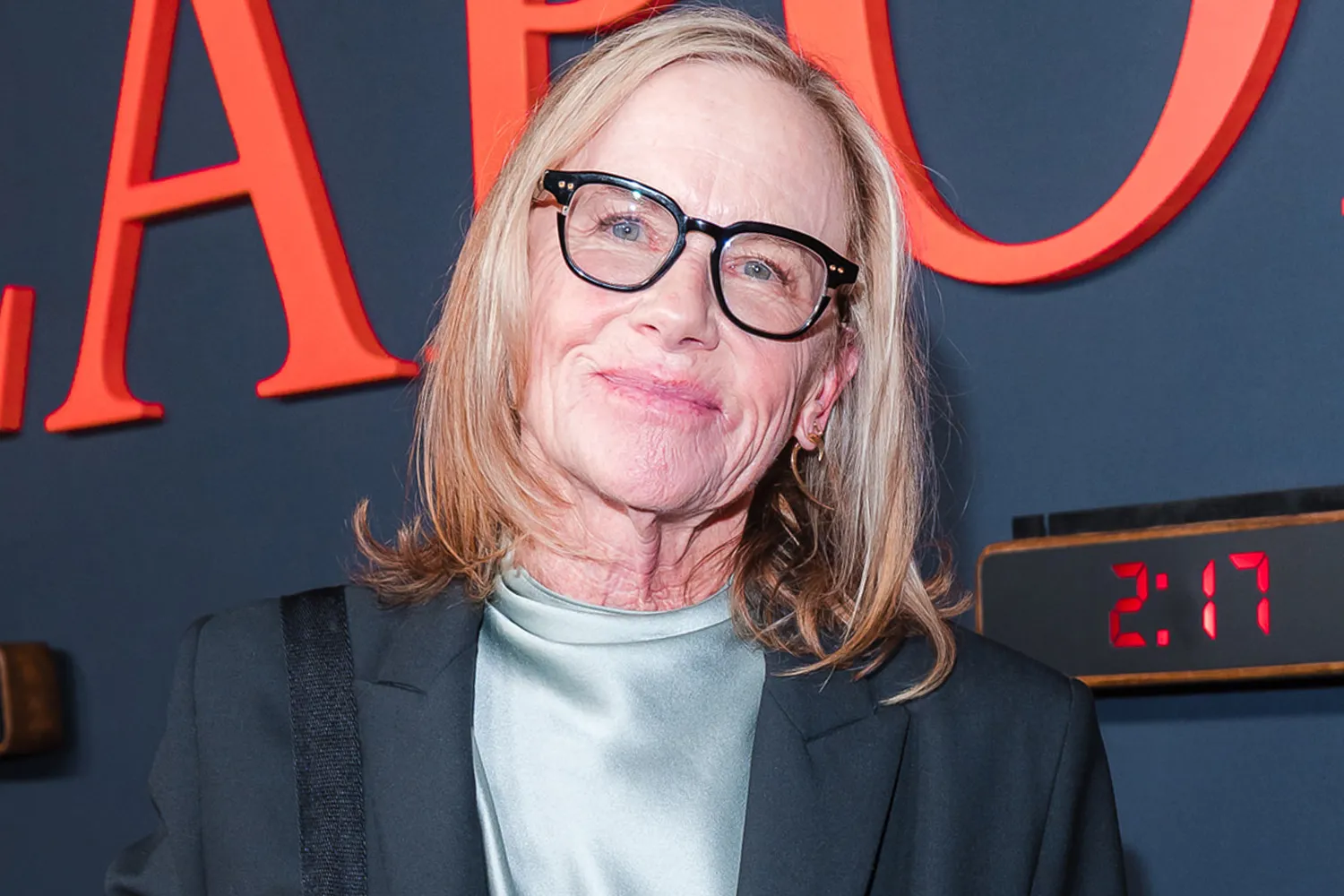
She arrives at 2:17 a.m., a potted blackthorn tree in hand, frail posture but electric with power—and in that haunting stillness, we know: Aunt Gladys is no ordinary relative.
In Weapons, Amy Madigan’s debut as the spectral, ritual‑wielding Ollie of small‑town dread has become more than performance—it’s a chilling invitation. Madigan confesses the experience was “gratifying,” a rare buzz of validation after a long career, wrapped in whispered fan reactions and memes just beneath Oscar campaign velocity. She preserved the secrecy before release, even carrying out her own stunts—her presence both understated and unforgettable. ([turn0news13]) Zach Cregger offered her two origin possibilities—either a human grasping at life or a simulacrum of humanity—but left the choice unspoken, leaving us in agonizing anticipation. ([turn0news12])
The Enigma That Beckons
Gladys might have been born in a cut chapter, one excised to maintain narrative tension—but the hunger for her backstory screams across screens. Cregger and the studios are already stirring prequel talks, eyes fixed on the “lost chapter” as potential backbone of a standalone film. ([turn0news14]) Here lies the temptation of origin and the risk of betrayal: can we explain away the fear that gets us?
Madigan herself treads this tension with elegance: “Nothing’s real till it’s real,” she says, cautious about excitement—but still undeniably charmed by the possibility of returning to Gladys’s haunted world. ([turn0news12])
If Gladys Had a Name
In her startling performance, Madigan leverages Rhineland‑level transformation—glasses huge as portals, makeup designed to unnerve, a confidence that forged its own mythology. For decades, viewers have seen her as Annie in Field of Dreams or Uncle Buck’s quirky engineer sister—but here, she is reborn, uncanny and transfixing. ([turn0news15], [turn0search6])
And yet the questions linger: Is she an ailing human conjuring spells out of desperation—or an otherworldly being mimicking flesh, animating dread? Cregger’s roots in personal grief swirl in the final act, where Gladys becomes a metaphor for addiction, for predatory survival, serious and disturbing. ([turn0search0], [turn0news16])
So: will Gladys step out of the periphery? Will her origins survive the pull of explanation? Madigan may love Gladys, but even her best assembly of craft can’t conjure certainty.
And for those of us still leaning forward, the question remains: is Gladys ever meant to be fully understood—or is her power measured in what we can’t define…







How Much Money the Fighter Makes – Hollywood Life
Image Credit: Zuffa LLC via Getty Images Ronda Rousey is making her...
 Kirsten Collins2 Mins read

What Happened, Was it Hacked & More – Hollywood Life
Image Credit: Moment Editorial/Getty Images Stryker, a Michigan-based medical device production company,...
Kirsten Collins1 Mins read
Release Date, Cast & More – Hollywood Life
Image Credit: Mike Tompkins/AcornTV Brooke Shields is pulling double duty with her...
Kirsten Collins1 Mins read
How to Watch & More About the Timothée Chalamet Movie – Hollywood Life
Image Credit: GC Images Gwyneth Paltrow and Timothée Chalamet star in the sports...
Kirsten Collins2 Mins read



Leave a comment