

What Really Killed Chase Filandros?
The death of a 20-year-old influencer was ruled a fentanyl overdose. But the real cause may lie deeper—hidden in filters, follow counts, and a digital ecosystem addicted to attention.
 Kirsten CollinsAugust 6, 20252 Mins read13
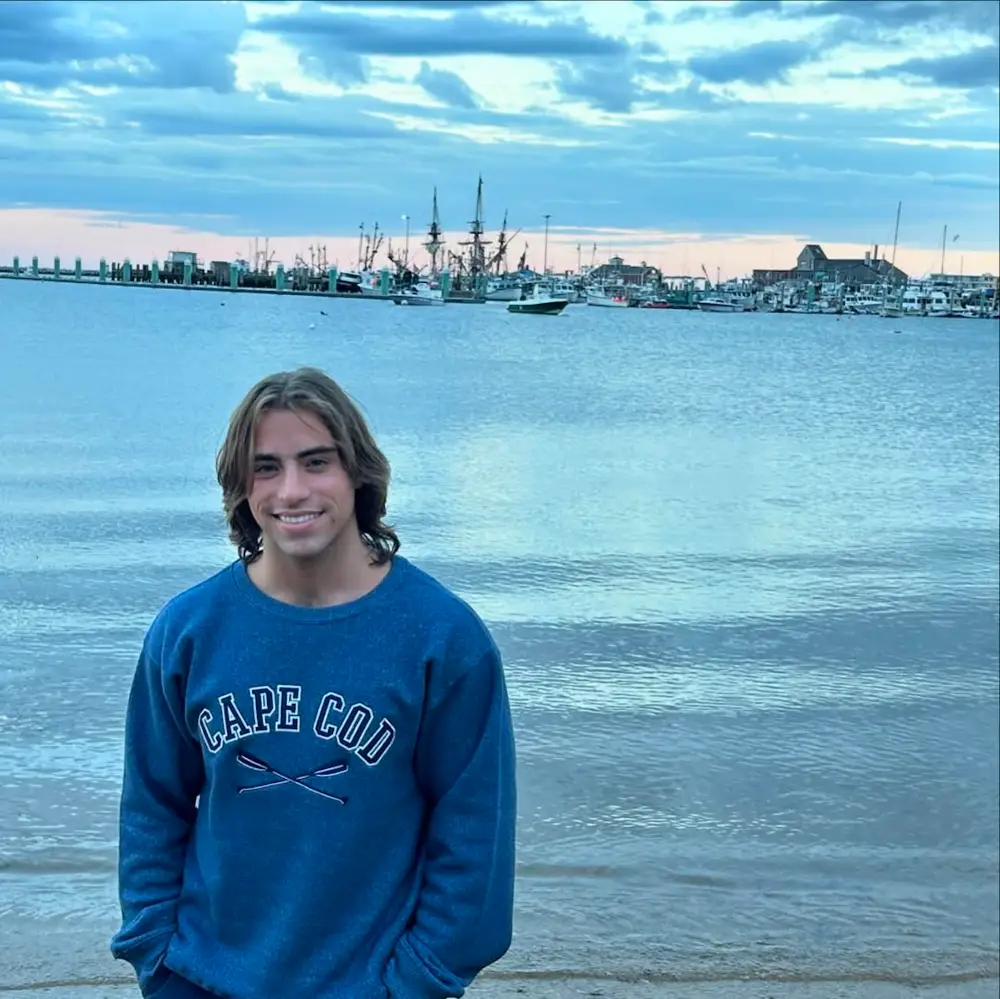
He smiled like someone who didn’t know he was already disappearing. In video clips now archived across TikTok, Chase Filandros had the kind of digital glow Gen Z has perfected—eyes just a little too alive, hair sculpted to defy time, and a voice so sincere you forgot it was being broadcast to strangers. He was just 20. Then he died.
The cause? A fatal cocktail of fentanyl and miscalculation—an overdose, ruled accidental. But death certificates don’t account for algorithms. They don’t log the psychic erosion of living online, the quiet collapse under the weight of being watched. Chase Filandros had 85,000 followers and a fast-rising profile. But what does that number mean when your nervous system is being rewired for engagement? What happens when virality becomes your pulse?
Blue Light, Cold Screens
We don’t yet know the exact circumstances of Chase’s overdose. But we know the industry he belonged to—a gig economy of self-surveillance and synthetic intimacy. Being an influencer in 2025 means being both commodity and consumer, always online, always curating, always smiling. It’s a job with no off switch. Chase wasn’t a celebrity in the traditional sense. He was something murkier: a parasocial dreamboy, aspirational yet relatable, monetized by the minute.
“He never said no to anyone,” one friend noted quietly on a private story after the news broke. Not to brand deals. Not to DMs. Not to the pills that let you keep going when your body wants to shut down. This isn’t new. But what’s new is the age—20 is no longer too young to burn out. And the line between self-medication and self-destruction is as blurry as the filters on his Instagram stories.
The Ghost in the Grid
We’ve built a world that encourages performance over presence, virality over vulnerability. Chase Filandros was both a byproduct and a warning. His death wasn’t just about fentanyl—it was about the way social platforms prize content over context, attention over health, youth over safety. It’s not a moral failure. It’s a market system.
The culture doesn’t just tolerate this cycle—it accelerates it. We say we care about mental health, yet reward those who can pretend the longest. We mourn Chase now, but scroll past ten others in silence. What does it mean that a generation is dying from trying to be seen?
His final post was a mirror selfie. You can still find it if you know where to look. He’s wearing a white hoodie, half-smiling, eyes tired, but open. Caption: “just vibin fr.” A week later, he was gone.
So here’s the question that lingers, uncaptioned, unsaid: Who’s responsible when a performance ends in silence? And what happens when the applause was never real to begin with?




When Mercy Meets Tragedy: The Widow Who Forgave Her Husband’s Killer
The air thickens when forgiveness enters a room meant for grief. Imagine...
 Chris Marks1 Mins read
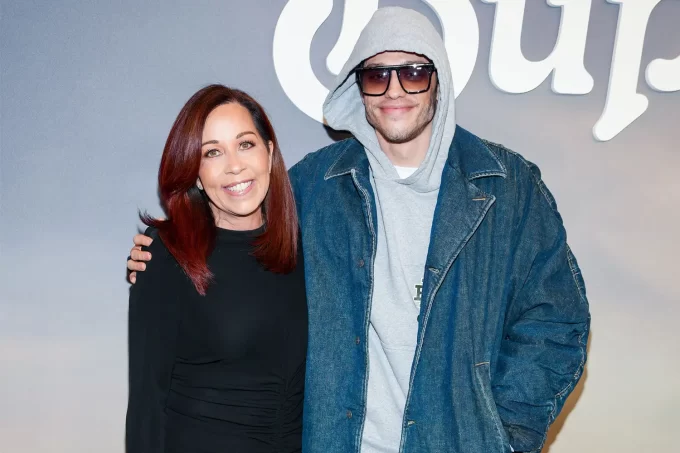
When Fear Became a Lifeline: Pete Davidson’s Reckoning in Rehab
There’s a silence that follows a mother’s voice when she confesses her...
 Joseph Bennett1 Mins read
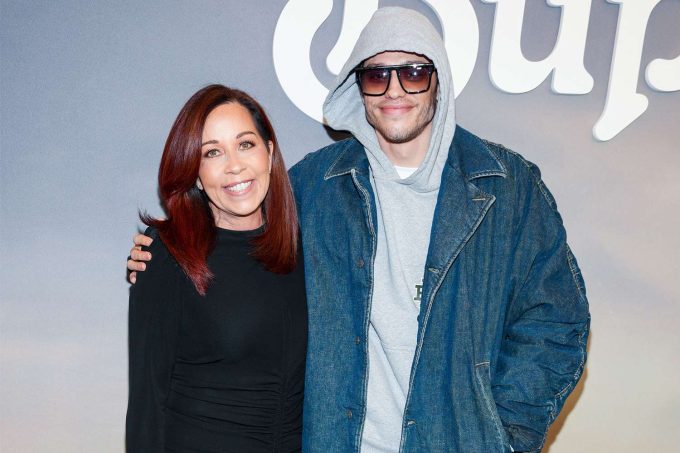
Pete Davidson’s mom told him in rehab worst fear was learning he died
Pete Davidson is opening up about the heartbreaking moment he had with...
Chris Marks2 Mins read
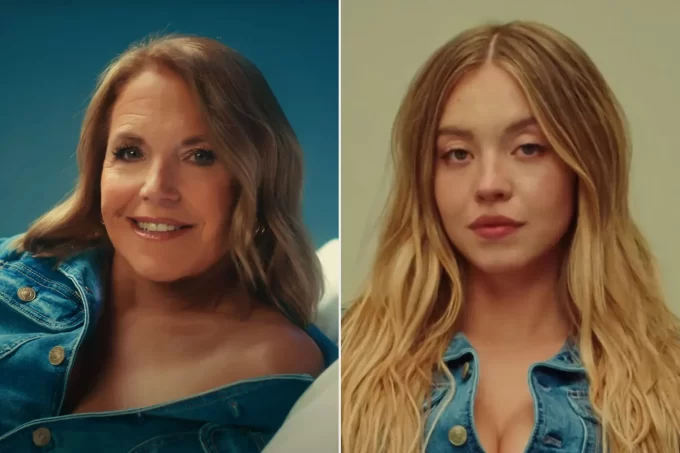
Katie Couric’s Unexpected Spin on Sydney Sweeney’s American Eagle Ad: What’s Really Being Said?
Katie Couric stepping into a scene dominated by Gen Z glamour feels...
 Krista Freeland2 Mins read





Leave a comment