

The Silence Bryan Kohberger Can’t Escape
After a case that gripped the nation and splintered its psyche, the man at the center of America’s darkest dinner table conversation is now alone—with the weight of what he knows, or doesn’t.
 Chris MarksAugust 1, 20252 Mins read20
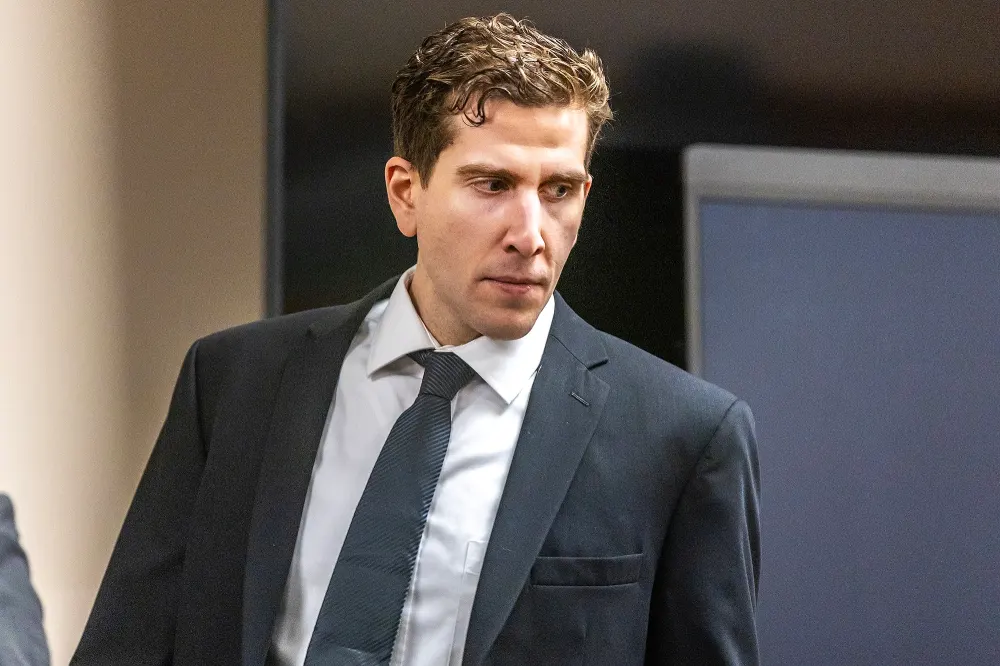
He requested vegan meals in a county jail while the world raged outside, desperate to decode his stillness. Now, Bryan Kohberger lives in a cell barely bigger than a hotel closet, alone. Four white walls, one cot, a flickering ceiling light—and silence. The kind that doesn’t soothe. The kind that reminds you there are no more witnesses left to convince.
There are few names in modern American crime that move with such eerie precision. Kohberger didn’t just become a suspect; he became a specter. A doctoral student in criminology who studied the very psychopathy he was accused of embodying. A man who analyzed the criminal mind until, some argue, he morphed into one. And now, post-sentencing, he vanishes again—this time into solitary confinement, where narratives unravel and new ones ferment.
When Genius Looks Like a Mirror, Not a Window
Was he brilliant? Was he broken? It’s the cultural itch we cannot stop scratching—especially when the accused holds a master’s degree in criminal behavior and moves through life with the forensic coldness of someone trying not to leave a trace. The irony, of course, is that Kohberger left a trail. Of DNA. Of digital searches. Of a white Hyundai Elantra. But the more we look at the facts, the more it feels like theater. Precision crafted, almost too neatly, too completely.
In the courtroom, he remained stoic, barely blinking while families shattered like glass around him. Reporters couldn’t decide if he looked smug or vacant. The nation, gripped by this emotional Rorschach, projected its own horror onto his face. One prosecutor, exhausted but composed, remarked, “The evidence was solid. But the silence—that was louder.”
The Cost of Knowing Too Much
It’s not the solitary cell that haunts us. It’s what Bryan Kohberger might be thinking in it. After the fanfare, after the handcuffs, after the Netflix pitches are quietly drafted in dark boardrooms, what remains is one man and the echoes of four lives that will never speak again. The question isn’t whether he deserves isolation. The question is: can justice ever satisfy the curiosity we disguise as outrage?
He was sentenced to life, but the real sentence may be this: the public’s endless need for resolution in a story designed to resist it. The Idaho murders, brutal in detail, oddly cinematic in narrative, and deeply modern in their coverage, became a collective obsession—where guilt was discussed not in terms of jurisprudence, but vibe.
There is something about a man who studied killers, then became one, that suggests the story was written before it was lived. That discomfort? It’s not about him. It’s about us.
If he talks, will we feel better? If he doesn’t, will we create a fiction that does?
Or maybe the silence isn’t just his.
Maybe it’s ours, too.








When Mercy Meets Tragedy: The Widow Who Forgave Her Husband’s Killer
The air thickens when forgiveness enters a room meant for grief. Imagine...
Chris Marks1 Mins read

When Fear Became a Lifeline: Pete Davidson’s Reckoning in Rehab
There’s a silence that follows a mother’s voice when she confesses her...
 Joseph Bennett1 Mins read

Pete Davidson’s mom told him in rehab worst fear was learning he died
Pete Davidson is opening up about the heartbreaking moment he had with...
Chris Marks2 Mins read

Katie Couric’s Unexpected Spin on Sydney Sweeney’s American Eagle Ad: What’s Really Being Said?
Katie Couric stepping into a scene dominated by Gen Z glamour feels...
 Krista Freeland2 Mins read





Leave a comment