

The Emperor’s New Voice: Ocean Vuong’s Unexpected Turn Toward Clarity
Ocean Vuong, once revered for his poetic opacity, surprises readers with The Emperor of Gladness—a novel that trades lyrical abstraction for grounded storytelling.
 Chris MarksMay 6, 20251 Mins read42
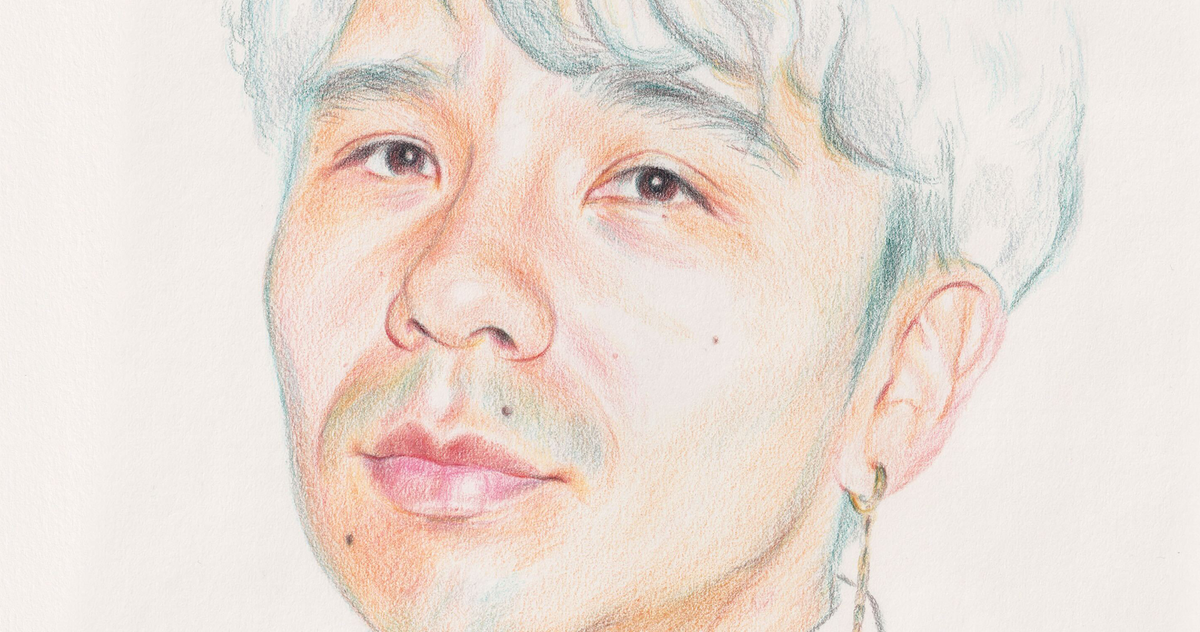
A young man stands on the precipice of a bridge in East Gladness, Connecticut, contemplating the end. Rain pelts down, mirroring the turmoil within. Suddenly, a voice calls out—a Lithuanian widow with dementia, Grazina, interrupts his despair. This serendipitous encounter sets the stage for Ocean Vuong’s latest novel, The Emperor of Gladness, marking a departure from his previous, more abstract works.
Vuong, known for his poetic prowess, ventures into more conventional narrative territory with this novel. The story follows Hai, a 19-year-old Vietnamese American grappling with grief and identity, who becomes Grazina’s caretaker. Their relationship unfolds amidst the backdrop of a town that seems forgotten by time, offering a poignant exploration of human connection.
From Obscurity to Clarity: A Literary Evolution
Critics have noted the shift in Vuong’s writing style. Andrea Long Chu observes that Vuong’s earlier work, On Earth We’re Briefly Gorgeous, leaned heavily into poetic abstraction, often at the expense of narrative clarity. In contrast, The Emperor of Gladness embraces a more grounded approach, allowing characters like Hai and Grazina to resonate with authenticity.
The novel doesn’t shy away from complex themes. It delves into the intricacies of memory, the weight of cultural identity, and the redemptive power of chosen family. Hai’s journey is not just one of personal healing but also a reflection on the broader immigrant experience in America.
The Power of Human Connection
Grazina, with her fading memories and sharp wit, serves as both a mirror and a guide for Hai. Their interactions are laced with humor, tenderness, and moments of profound insight. Through their bond, Vuong illustrates that family isn’t solely defined by blood but by the connections we forge in unexpected places.
The narrative also critiques societal structures, highlighting the marginalization of individuals like Hai and Grazina. Yet, amidst the challenges, the novel offers hope—a testament to the resilience of the human spirit and the transformative power of empathy.
As Vuong steps away from the veiled language of his past, he invites readers into a world where clarity doesn’t diminish depth but enhances it. The Emperor of Gladness stands as a testament to his growth as a storyteller, proving that sometimes, the most profound truths are found in the simplest of connections.








When “107 Days” Meets Outcry: Harris’s Book Tour Interrupted
The microphone crackled to life, and before Harris could finish her opening...
Chris Marks1 Mins read

Whispers in the Shadows: Why Holly Black’s Sequel Is a Dark Invitation We Can’t Ignore
The night isn’t just dark—it’s ravenous, greedy, and it’s coming for you....
Chris Marks2 Mins read

Why Stephenie Meyer’s Regret About Edward Changes Everything You Thought You Knew
The moment Stephenie Meyer admitted she wouldn’t pick Edward Cullen today, a...
Chris Marks2 Mins read

When Fear, Fury & Feathers Collide: Cinema, Superheroes, and a Confessional Album
Open with tension—the kind that threads through a scream, a reveal, and...
Chris Marks2 Mins read





Leave a comment