

When Rock Goddesses Were Taught to Dance
Ann Wilson says Paula Abdul was once brought in to teach Heart choreography—but who sent her, and why was Heart ever expected to move in unison? The answer reveals a moment in music when everything sacred was at risk of being choreographed.
 Chris MarksMay 6, 20252 Mins read36
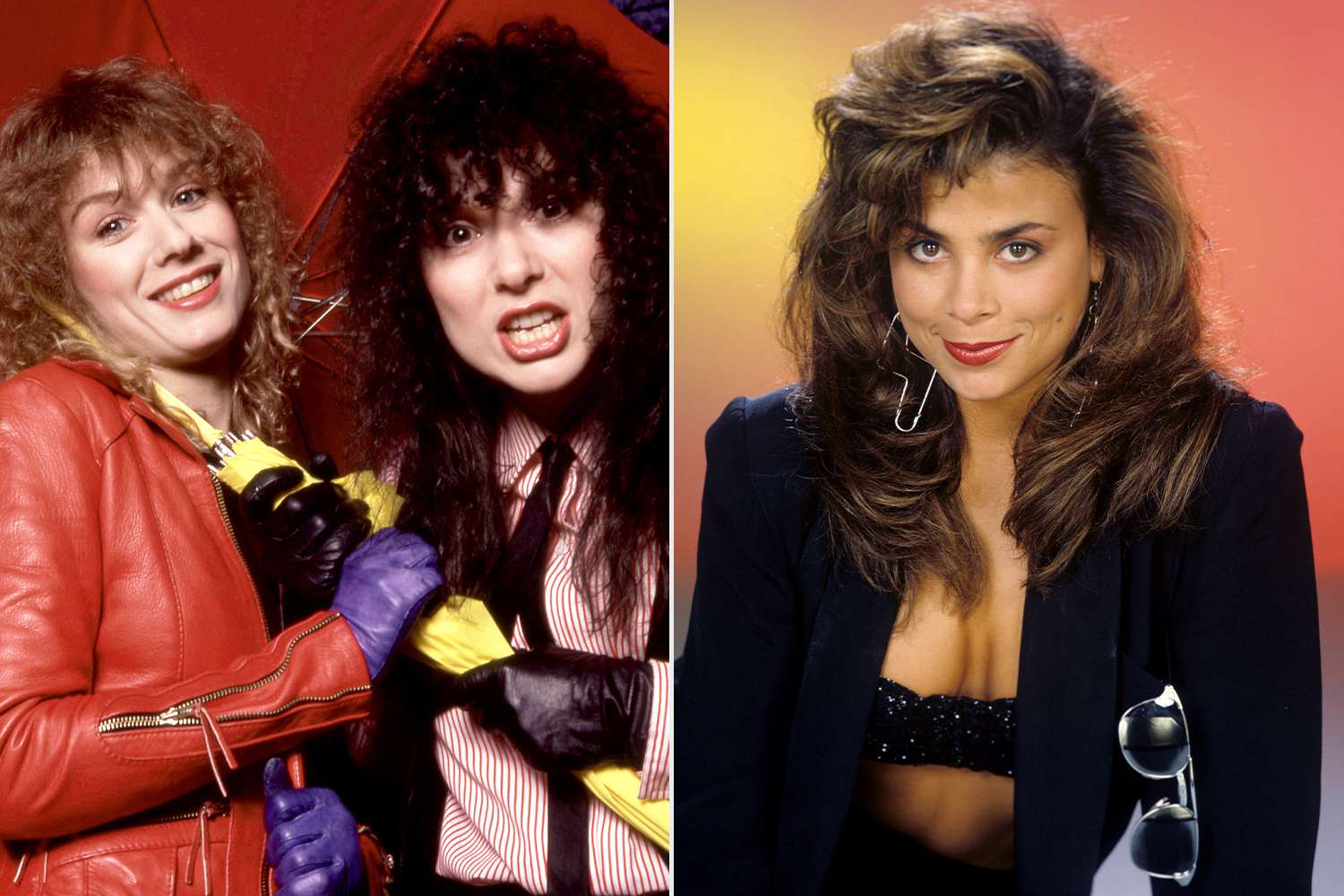
Bonnie Schiffman/Getty; Fryderyk Gabowicz/picture alliance via Getty
The year was 1987. Spandex reigned, synthesizers wailed, and the smoke machine never seemed to run out of breath. Somewhere between the eyeliner and the echo chamber of an industry on speed, someone—some executive, some committee, some well-dressed oracle of marketability—looked at Heart and said, they should dance. And into the rehearsal room walked Paula Abdul, the high priestess of perky rhythm, with a clipboard of counts and a mandate that still feels absurd.
Ann Wilson, a rock vocalist with a voice like thunder on velvet, recently revealed the surreal memory with the kind of dry bemusement reserved for tales you’ve long filed under you had to be there. “They sent Paula Abdul to teach us dance moves,” she said, as if recalling a dream too strange to have fully happened. But it did. And in that moment, the chasm between authenticity and spectacle cracked just a little wider.
Stagecraft and Spectacle: When Rock Bent the Knee
Why did anyone think Heart—a band known for scorched guitars, unfiltered female ferocity, and a refusal to play by any of the boys’ rules—should dance? The answer, of course, is MTV. By the late ’80s, the screen had become the stage, and movement was mistaken for meaning. Labels were in a panic to make “rock” look “pop,” as though eyeliner alone couldn’t close the sale.
It wasn’t just Heart. Aerosmith would soon buddy up with Run-D.M.C., and Billy Idol began flexing more than his chords. Authenticity became a commodity, and even rebellion needed choreography. Abdul, to her credit, wasn’t the villain. She was the symbol—young, stylish, perfectly composed. If rock gods could be taught to twirl, perhaps they could be made more palatable to the channel-flipping masses.
There’s a haunting irony to the fact that Ann and Nancy Wilson, who fought harder than most to carve out space in a boy’s club with distortion pedals, were suddenly being asked to perform moves like backup dancers. It was as if the machine couldn’t help but try to standardize even its wildest acts.
The Dance That Never Made the Stage
That dance never made it into Heart’s final shows. Perhaps they knew, deep down, that something sacred would be lost if they did. “It just didn’t feel right,” Ann added, a small sentence that echoes like a quiet rebellion. In a decade that prized polish over pulse, that “not right” became an unspoken act of defiance.
Still, the image lingers. One imagines Ann Wilson—long black coat, mic in hand—being shown where to place her feet. Paula, bright-eyed and professional, counting beats while guitar riffs hang awkwardly in the air. It’s a scene that could’ve never belonged on stage, but it tells you everything about the industry’s manic push to smooth what was never meant to be smooth.
In retrospect, it’s less about Paula Abdul and more about the system that thought this might work. It’s about the pressure to package legends. It’s about the absurdities artists endure to survive an era. And it’s about the quiet moments, often offstage, where lines are drawn—not with press releases or protests, but with a shrug, a refusal, a step never taken.
What if they had danced? Would we have remembered Heart as differently as the suits hoped—or would we have forgotten them altogether?
Because there’s a truth few in the business admit: the most important moves in music are often the ones you don’t make.
Sources: Showline.tv, archival interviews with Ann Wilson, cultural analysis of 1980s music trends.
Would you like me to create a social caption or quote card based on this article?




When Mercy Meets Tragedy: The Widow Who Forgave Her Husband’s Killer
The air thickens when forgiveness enters a room meant for grief. Imagine...
Chris Marks1 Mins read

When Fear Became a Lifeline: Pete Davidson’s Reckoning in Rehab
There’s a silence that follows a mother’s voice when she confesses her...
 Joseph Bennett1 Mins read
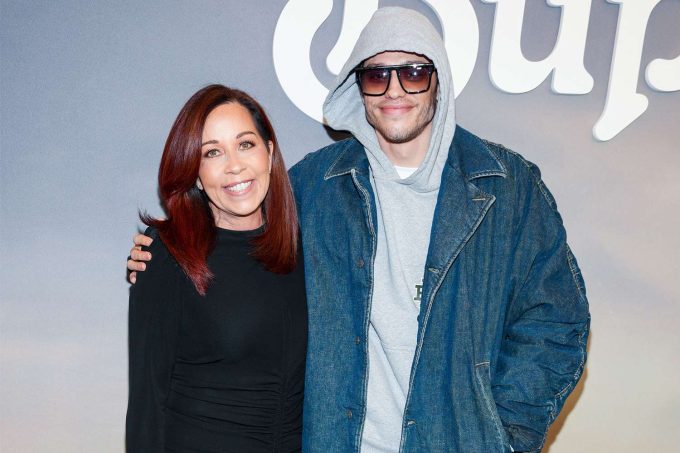
Pete Davidson’s mom told him in rehab worst fear was learning he died
Pete Davidson is opening up about the heartbreaking moment he had with...
Chris Marks2 Mins read

Katie Couric’s Unexpected Spin on Sydney Sweeney’s American Eagle Ad: What’s Really Being Said?
Katie Couric stepping into a scene dominated by Gen Z glamour feels...
 Krista Freeland2 Mins read





Leave a comment