

AppLovin’s TikTok Bid: Is This a Buyout—or a Digital Power Grab?
AppLovin’s offer to purchase TikTok operations outside of China isn’t just a business move—it’s a cultural intervention. In the race for global attention, who gets to own the algorithm that shapes how we see the world?
 Kirsten CollinsApril 3, 20251 Mins read37

The app that turned dances, diatribes, and dopamine into a daily ritual is now up for grabs. And AppLovin—a company best known for its mobile gaming ad tech—is making a bold move to buy TikTok’s operations everywhere outside of China. Yes, all of them.
At first glance, it’s business as usual: tech acquisition, global consolidation, another billion-dollar check in motion. But pause. What’s really at stake isn’t just content—it’s control. TikTok isn’t just a platform. It’s the culture engine of a generation. To own it is to own influence in its most volatile, viral form.
When the Algorithm Becomes the Asset
ByteDance, TikTok’s Chinese parent company, has been under increasing pressure—from regulators, from Washington, from the EU. National security concerns, data privacy debates, and rising geopolitical tension have all painted a target on the app’s back. Enter AppLovin, offering a clean split: Western TikTok, remixed, and repackaged.
But can a company known for optimizing ad networks really steer a ship as culturally charged as TikTok? Or does this risk muting what made TikTok singular—its chaos, creativity, its refusal to behave like anything that came before it?
As one digital analyst noted: “This isn’t just a sale. It’s a shift in who gets to define what the internet feels like.”
Censorship, Culture, and Capital
If AppLovin’s bid succeeds, expect more than a logo change. Expect algorithmic tweaks, new monetization layers, and potentially, a more sanitized version of the TikTok that built its fame on unpredictability. Will creators stay? Will the edge soften? Will it still feel like the digital underdog once it’s repackaged as ad-first?
And there’s a larger question: Are we entering a new era where global cultural infrastructure is bought and sold like any other tech stack? Where the platforms that shape our memories, moods, and movements are handed to the highest bidder?
This isn’t just a tech story. It’s a power story. Because in a world where attention is currency, buying TikTok isn’t just acquisition—it’s annexation.





Microsoft Is Cutting Thousands of Employees Across the Company
Microsoft Corp. said it will cut thousands of workers with a focus...
Kirsten Collins1 Mins read
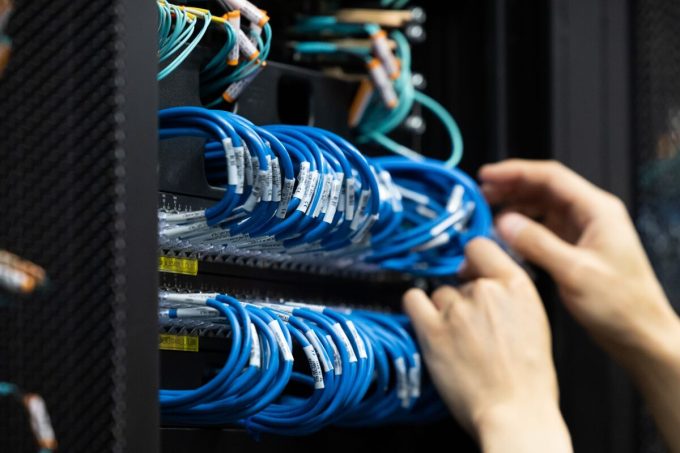
Intel Certifies Shell Lubricant for Cooling AI Data Centers
Intel Corp. has certified Shell Plc’s lubricant-based method for cooling servers more...
Kirsten Collins1 Mins read
UBS’s Lo Says Investors Diversifying From US to Gold, Crypto
UBS Group AG’s rich clients are increasingly shifting away from US-dollar assets,...
Kirsten Collins1 Mins read
Microsoft Among Software Stocks Offering Haven in Tariff Chaos
As the Trump administration’s trade war clouds the economic outlook, software stocks...
Kirsten Collins1 Mins read





Leave a comment