

When Sound Becomes a Shadow: The Haunting Pulse of Ares and HIM
The Ares soundtrack and HIM’s latest acclaim on EW’s must-list are not just cultural moments—they are echoes of a darker, uncharted emotional terrain begging us to listen closer, question deeper, and feel differently.
 Joseph BennettSeptember 19, 20252 Mins read23

Getty Images; Prime; Universal Pictures
The first note hits like a whisper from the void—soft, unsettling, and impossible to ignore. The Ares soundtrack doesn’t merely accompany its narrative; it seeps into the bone, a sonic ghost that lingers long after the screen fades to black. Alongside this, HIM’s unexpected rise onto EW’s must-list challenges us to reconsider what it means for music to be more than sound—what if it is the medium where our darkest truths take shape?
This is not background music. It’s a psychological probe, an emotional excavation. Each track feels curated to unsettle, to seduce, to haunt. What is it about this blend of melodies and moods that resonates so viscerally with today’s listeners? And why does HIM, with their brooding intensity, suddenly feel like the soundtrack to a generation’s quiet desperation?
The Soundtrack as an Unseen Character
In Ares, music becomes an active participant, a shadow that mirrors the protagonist’s descent into chaos. The soundtrack’s haunting minimalism invites us to listen beyond the notes—to hear the unspoken fears, the lurking violence beneath the surface. It’s a reminder that sound can manipulate mood with a precision that dialogue cannot match. As one fan remarked, “The music doesn’t just tell the story—it owns it.”
But can a soundtrack shoulder such weight without overwhelming the narrative? The Ares score proves it can, weaving subtle threads of tension and release that transform mere viewing into a visceral experience. This invites us to question: is modern film scoring edging into a new art form where silence and sound collide, rewriting how we feel the story?
HIM’s Resurgence: Nostalgia or New Dawn?
Meanwhile, HIM’s spotlight on EW’s must-list speaks volumes about the shifting landscape of alternative rock. Their signature melancholic riffs and gothic overtones, once niche, now echo loudly in mainstream consciousness. Are they tapping into a collective yearning for authenticity in a world saturated with synthetic noise?
“There’s an honesty in our darkness,” HIM’s lead singer once shared, and that honesty is palpable now more than ever. Their music doesn’t promise escape; it offers confrontation. What does it mean for a band rooted in gothic rock to become a beacon for contemporary audiences hungry for emotional complexity? Is this a nostalgic revival or the birth of something altogether new?
This duality—the soundtrack that haunts and the band that reclaims darkness—poses a question about our cultural moment: are we learning to embrace the shadows within, or are we merely mesmerized by their flicker?
As the last note fades, the mystery deepens. What if the true power of music lies not in what it reveals, but in the secrets it keeps? The Ares soundtrack and HIM’s resurgence don’t just demand attention—they insist on introspection. And that, perhaps, is the most haunting sound of all.








Who Is the Shooter at ODU? Old Dominion University Shooting Updates – Hollywood Life
Image Credit: LightRocket via Getty Images Old Dominion University (ODU) in Virginia...
 Kirsten Collins1 Mins read
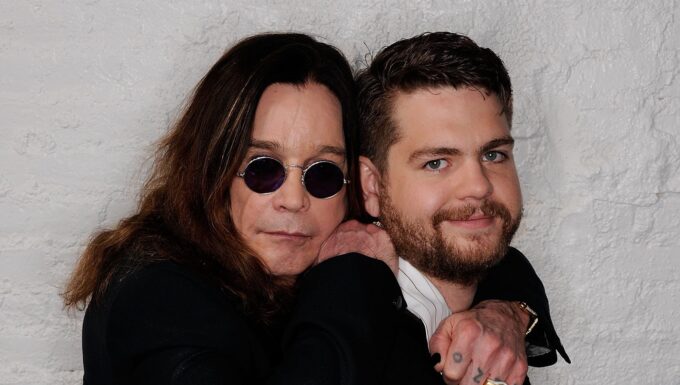
Meet His 5 Children, Including New Baby Named Ozzy – Hollywood Life
Image Credit: Larry Busacca Jack Osbourne is now a father of five!...
Kirsten Collins2 Mins read

How Much Money the Fighter Makes – Hollywood Life
Image Credit: Zuffa LLC via Getty Images Ronda Rousey is making her...
Kirsten Collins2 Mins read

What Happened, Was it Hacked & More – Hollywood Life
Image Credit: Moment Editorial/Getty Images Stryker, a Michigan-based medical device production company,...
Kirsten Collins1 Mins read





Leave a comment