

The Game You Didn’t See Coming
While America refreshes its summer drink and yawns at another baseball matchup, something uncanny is unfolding between the Athletics and the Nationals. The odds are calculated—but the real question is, by whom?
 Joseph BennettAugust 7, 20252 Mins read17
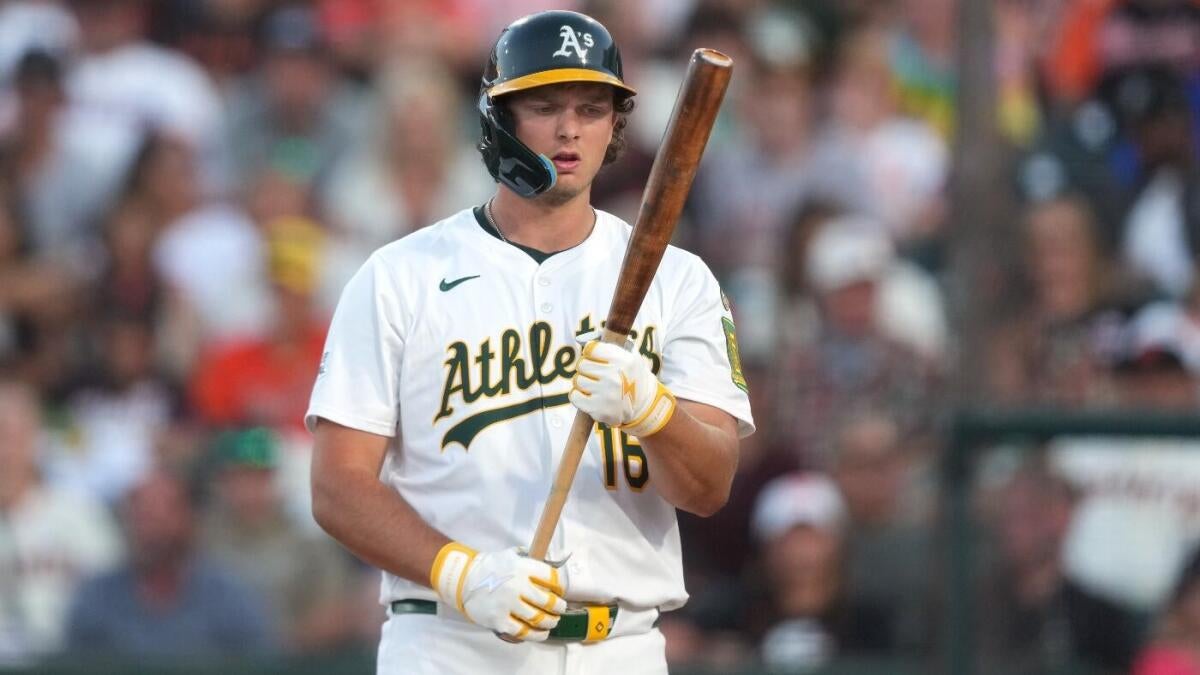
The Washington Nationals weren’t supposed to make it this far, not in spirit and certainly not on the sportsbooks. And yet, as the lights hummed to life over Nationals Park on a humid August night, there was a strange electricity crackling under the odds. It was a matchup no one asked for—Oakland Athletics vs. Washington Nationals, a mid-season game hovering in that purgatory between statistical interest and cultural indifference. But that’s precisely why it matters.
Because if baseball is America’s pastime, then the pastime has become the background music of a nation not listening. But in the silence, something else has started to speak—something neither the predictive models nor the fans see coming.
When Algorithms Try to Replace Intuition
The latest darling of prediction culture is a machine—a “proven model,” they say, from the same data-fueled minds who brought us fantasy football addiction and day-trading anxiety. This model, according to Showline, gave us a pick: the Athletics over the Nationals, based on pitching matchups, line movement, and god knows how many simulated universes. But baseball is not math—it’s mood, weather, folklore. It’s the soft superstition of a manager refusing to change socks mid-win streak. And no simulation accounts for that.
The algorithm didn’t feel the Nationals’ dugout last night—loose, cocky, and oddly unbothered. “You can feel when a team doesn’t care what you think of them,” a scout murmured under his breath near the third base line. “That’s when they’re dangerous.” And yet, the model chose data over energy, formulas over friction.
Beneath the Numbers, the Narrative Bends
What makes this game matter isn’t who wins—it’s what it reveals about how we consume sport in 2025. A matchup dismissed by the masses, propped up by betting influencers and prediction engines, still has the power to rearrange our collective sense of drama. A Nationals rally in the eighth? Suddenly, the math gets shaky. A botched call? Cue the algorithms recalibrating in real-time. Every pitch becomes a crisis in coding.
And while we’re at it—what does it say that we now need machines to tell us what’s worth watching? That something only becomes interesting after the model bets on it? The machine wants you to believe in probabilities. The players want you to believe in miracles. The audience—if they’re paying attention—wants to believe in neither, but something deeper.
Maybe the game isn’t fixed, but our attention sure is.
The Athletics could win. Or the Nationals. Or the whole thing could go extra innings and still mean nothing in the playoff picture. But that’s not the point. The point is this: while everyone was looking elsewhere—toward bigger games, louder names, sharper bets—something strange happened under those midsummer lights.
And if the model didn’t predict it, did it even happen?





Barcelona’s Fragile Pursuit: When Injuries Threaten More Than Just a Season
A silence spreads over Camp Nou that no roar can drown out—two...
 Chris Marks2 Mins read

William Saliba: Arsenal’s Silent Architect or Its Greatest Gamble?
The air inside the Emirates shifts with unspoken tension—William Saliba, once a...
Joseph Bennett2 Mins read
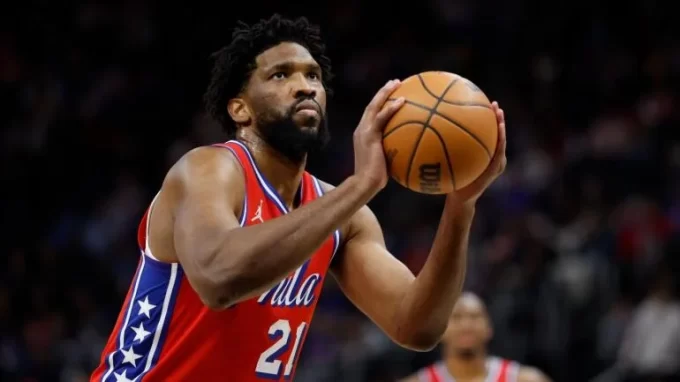
Joel Embiid’s Quiet Confidence: Is the 76ers’ Giant Ready to Rewrite His Story?
Joel Embiid is rarely one to make noise without purpose, and now,...
 Kirsten Collins1 Mins read
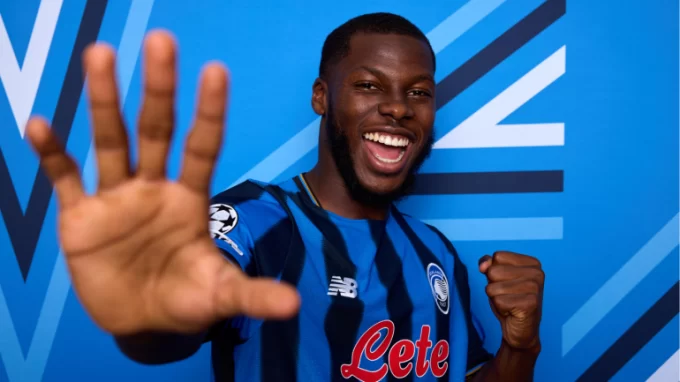
Juventus, Atalanta, and Arsenal’s Quiet Revolution: What’s Really Shaping This Week in Football?
The roar of Serie A stadiums masks a subtle shift, one that...
Kirsten Collins2 Mins read




Leave a comment