

When Justice Falters: Aubrey O’Day’s Stark Verdict on the Diddy Trial
Aubrey O’Day voices a searing disappointment over the recent Diddy verdict, declaring it a failure to deliver justice for survivors—forcing us to confront what justice really means in high-profile cases.
 Krista FreelandJuly 3, 20251 Mins read14

A courtroom’s silence can echo louder than any verdict. When the gavel falls on cases as public and polarizing as Sean “Diddy” Combs’, the ripples aren’t confined to legal pages—they spill over into collective conscience. Aubrey O’Day’s blunt assessment shatters the veneer of closure: the verdict didn’t deliver justice for survivors. What does it mean when the scales appear so uneven?
Justice, it seems, remains an elusive ideal—not just a verdict, but a narrative we struggle to accept.
––– The Verdict That Left a Void –––
There’s a rare courage in calling out the system, especially from within the glittering world of celebrity. O’Day’s words, “It failed to deliver justice for survivors,” don’t just lament an outcome; they spotlight a fissure between public expectation and legal reality. In a culture that often lionizes fame over accountability, how do survivors find their voices heard, their pain validated?
The question lingers: when the spotlight dims, who carries the burden of unresolved truth?
––– Beyond the Headlines: What Justice Demands–––
This case, like many before it, unveils the cracks in our justice framework—where the star power of a defendant can overshadow the testimonies of those harmed. O’Day’s critique is a reminder that legal exoneration is not synonymous with moral exoneration. It’s an invitation to look beyond the soundbites and ask: what are we willing to reckon with in the pursuit of true justice?
“Justice isn’t just about verdicts,” she intimates; it’s about acknowledgment, healing, and the courage to confront uncomfortable truths.
The discomfort of O’Day’s indictment should not be shrugged away. Instead, it should provoke us to rethink how society values survivors’ experiences amidst the glare of celebrity. When justice feels deferred, whose stories get lost—and which remain untold?
In the quiet after the verdict, the real trial begins.





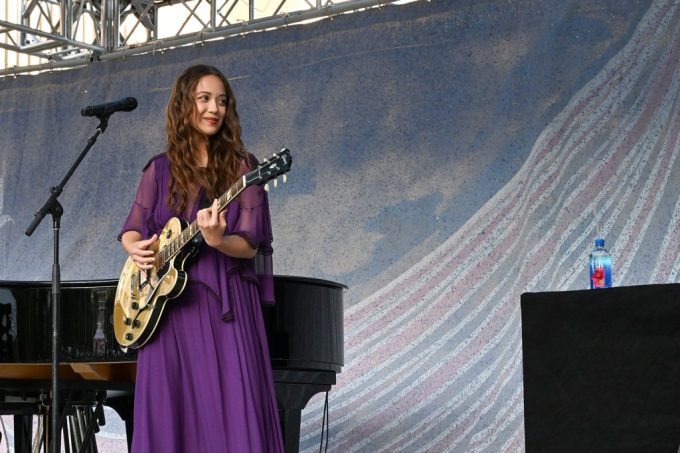
Laufey’s Opening Night Show at LA’s Crypto.com Arena: Best Moments
Laufey opened a two-night stand at Crypto.com Arena in downtown Los Angeles...
 Chris Marks6 Mins read
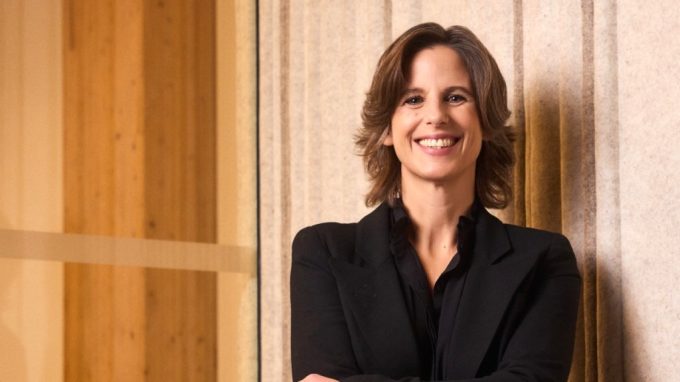
Julie Adam Is Billboard Canada Women in Music’s 2025 Exec of the Year
Julie Adam is having a milestone year — and it’s getting even...
Chris Marks4 Mins read

Spinal Tap Tribute Album with Foo Fighters,Tool for Teen Cancer America
Spinal Tap may be a fake band, but its music is very...
Chris Marks2 Mins read
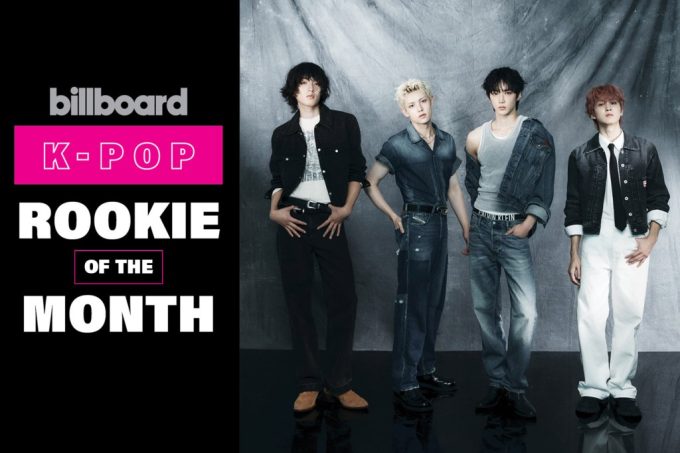
AxMxP Is K-Pop Rookie of the Month for September: Exclusive Photos
Ha Yoo Joon Image Credit: Chin Soyeon You debuted on Sept. 10....
Chris Marks2 Mins read





Leave a comment