

Laneway Saints and the Sound of Rebellion
In Adelaide, a mural now immortalizes The Angels—not just as a band, but as an attitude. But can paint on brick capture what distortion once did?
 Chris MarksAugust 5, 20252 Mins read19
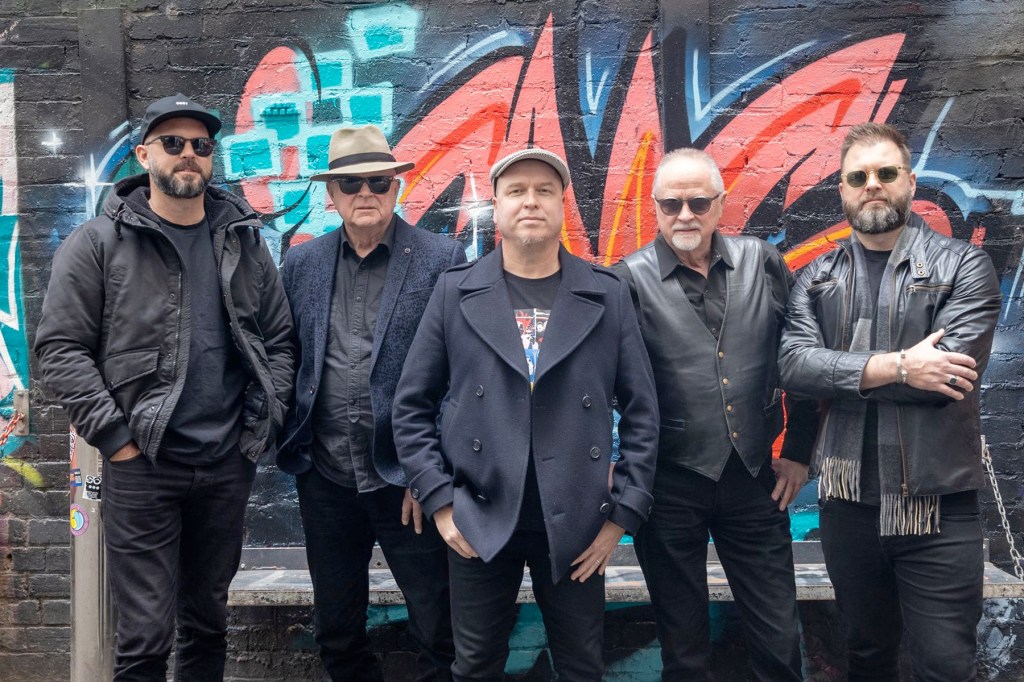
The paint hasn’t dried yet, but the myth already has. In a laneway off Adelaide’s main drag—a place where the echoes of late-night benders still cling to the air like aftershave and regret—a mural of The Angels now looms over passersby like a divine dare. The brushstrokes are reverent, the colors blistering. But make no mistake: this is no act of nostalgia. This is resurrection. And resurrection always demands a body.
The Angels, Australia’s unpolished priests of pub rock, were never meant for polite reverence. They sang like they were bleeding and played like it was penance. Now, decades later, their faces stare out from a brick wall as if asking, Do you remember what we did to this place? It’s not just a mural—it’s a warning.
Punk Paint and Public Memory
The mural honors a legacy that was always louder than it was clean. Formed in the crucible of the late ‘70s, The Angels didn’t so much emerge from Adelaide as rupture out of it—guitars snarling, lyrics biting, and Doc Neeson dancing on the edge of madness. It wasn’t showmanship. It was possession.
Yet here they are now, preserved in paint. Smoothed. Curated. Almost… safe. There’s something strangely dissonant about it. What happens when rebellion is muralized? Does it become museum? Or worse—marketing?
As one pedestrian reportedly muttered beneath the mural, “Didn’t think I’d see them on a laneway wall.” And maybe that’s the paradox—legends are loud, but legacies whisper.
The City Remembers What the Charts Forgot
Adelaide doesn’t forget its ghosts. The laneways, once haunted by late-night amps and spilled spirits, now speak in public art and QR codes. But for The Angels, this tribute cuts deeper. This isn’t just civic pride. It’s an exorcism.
The city, for all its clean lines and cultural polish, is still wrapped in the vinyl memory of a time when music could start a riot in a bar and end in a courtroom. And that’s exactly what made The Angels matter. Their noise wasn’t escapism—it was evidence. Evidence that music could be angry and artful at once. That a voice could be both cracked and commanding.
No mural can recreate the howl of a live show at Thebarton Theatre in 1981, nor should it try. But what it can do is ask us to remember the cost of forgetting: that when a city forgets its music, it forgets its nerve.
—
The mural stares back at the city now. Permanent, deliberate, oddly quiet. But maybe that’s the trick. Maybe it’s waiting for someone to scream back. To sing along. To start something.
Because The Angels were never meant to be looked at. They were meant to be heard.




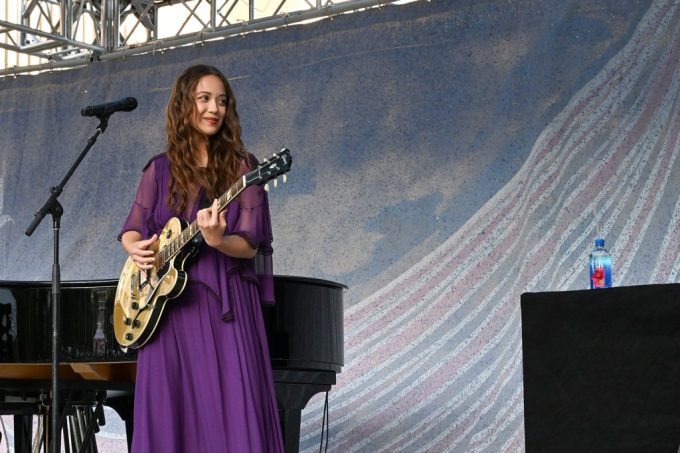
Laufey’s Opening Night Show at LA’s Crypto.com Arena: Best Moments
Laufey opened a two-night stand at Crypto.com Arena in downtown Los Angeles...
Chris Marks6 Mins read

Julie Adam Is Billboard Canada Women in Music’s 2025 Exec of the Year
Julie Adam is having a milestone year — and it’s getting even...
Chris Marks4 Mins read
Spinal Tap Tribute Album with Foo Fighters,Tool for Teen Cancer America
Spinal Tap may be a fake band, but its music is very...
Chris Marks2 Mins read
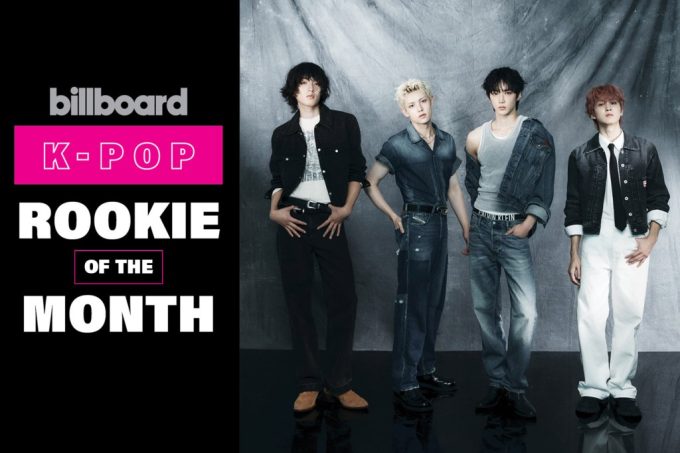
AxMxP Is K-Pop Rookie of the Month for September: Exclusive Photos
Ha Yoo Joon Image Credit: Chin Soyeon You debuted on Sept. 10....
Chris Marks2 Mins read





Leave a comment