

The Cy Showdown: Is Paul Skenes Too Young to Win, or Too Inevitable to Lose?
One is barely out of college. The other has a mortgage and a war chest of strikeouts. But both are reshaping the Cy Young conversation—one inning at a time.
 Joseph BennettJuly 9, 20252 Mins read21
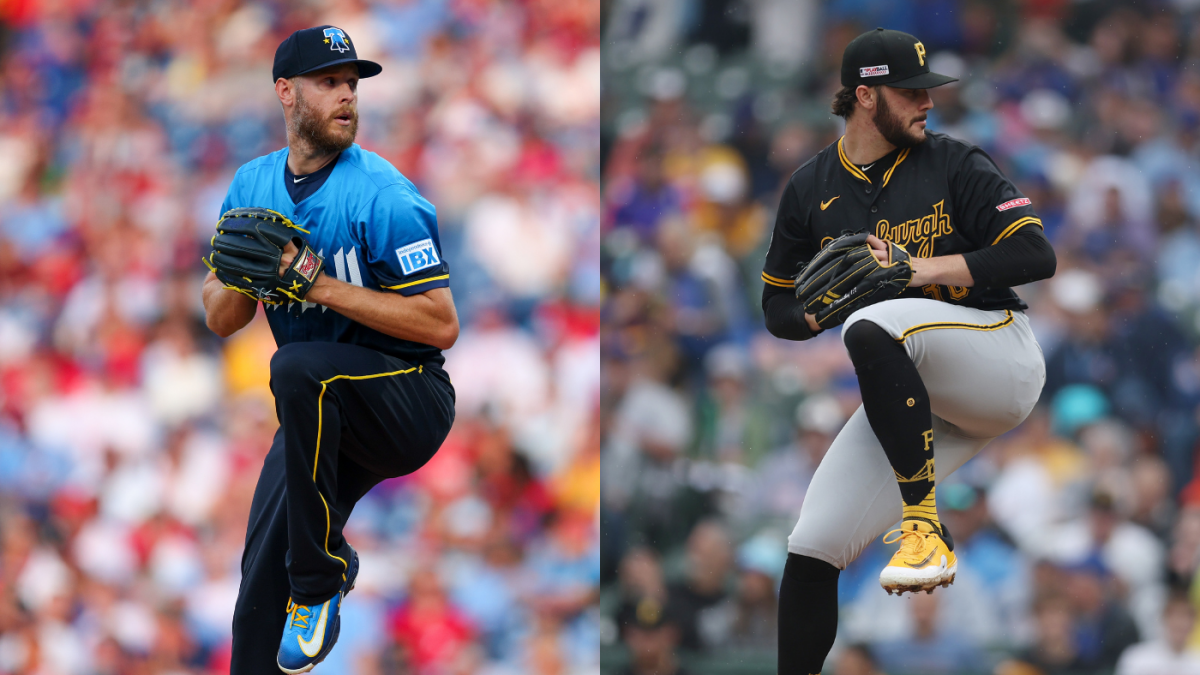
It starts with a silence that doesn’t feel natural. A ballpark—alive seconds ago—sits on the edge of its seat. And there, standing on the mound with a face that hasn’t yet outgrown the word “rookie,” is Paul Skenes. He looks like a soldier in a world of suits. Composed. Engineered. And impossibly fast.
Across the league, his name is already in neon—etched into MVP debates, tattooed across talk shows, whispered in dugouts. But it’s not just velocity. It’s presence. At 22, Skenes doesn’t pitch like someone trying to belong. He pitches like someone daring you to think he doesn’t.
And that, precisely, is what makes this Cy Young race dangerous—for him, and for the league.
The Veteran and the Vortex
Enter Zack Wheeler. Stoic, surgical, and maddeningly consistent. He doesn’t throw with Skenes’ fire, but he leaves the same burn. Wheeler, now in his mid-30s, is on pace for the lowest WHIP of his career. His strikeout-to-walk ratio is art. His ERA whispers rather than screams. He’s the kind of pitcher who wins Cy Youngs quietly—and then asks if the cameras can wait until he showers.
Here’s the paradox: Skenes is rewriting the ceiling, but Wheeler might own the floor. It’s a duel not of opposites, but of eras. A phenom engineered in a lab versus a craftsman shaped by scar tissue and seasons.
“I’ve seen plenty of kids throw hard,” a rival scout said recently. “But Skenes? He commands attention. You feel him.” And Wheeler? You feel the innings he’s already stolen.
Two Speeds of Destiny
Awards are rarely just about stats. They’re about timing. About story. And what makes this race so hypnotizing is how both men represent inevitabilities—one coming, one already here. If Skenes wins, he’s the youngest NL Cy Young winner since Dwight Gooden. If Wheeler does, it’s validation long overdue.
But what if neither script plays out the way it should? What if the weight of history tilts the race before the final pitch is thrown?
There’s something beautifully unnerving about watching a 22-year-old throw 102 mph with the composure of a senator. Just as there’s something deeply satisfying in watching a veteran carve through a lineup with 92. One represents baseball’s future. The other, its hard-earned present. And the line between them blurs with every scoreless frame.
Skenes will keep throwing until someone tells him to stop. Wheeler will keep winning until someone remembers he already has. And somewhere between those two truths—between fire and finesse—the Cy Young will be decided.
But for now, the question echoes louder than any statline: When does brilliance become belief? Or maybe the better question is—what happens when both arrive at the same time?
Sources: Showline.tv, MLB.com, Baseball Reference, ESPN.







Barcelona’s Fragile Pursuit: When Injuries Threaten More Than Just a Season
A silence spreads over Camp Nou that no roar can drown out—two...
 Chris Marks2 Mins read
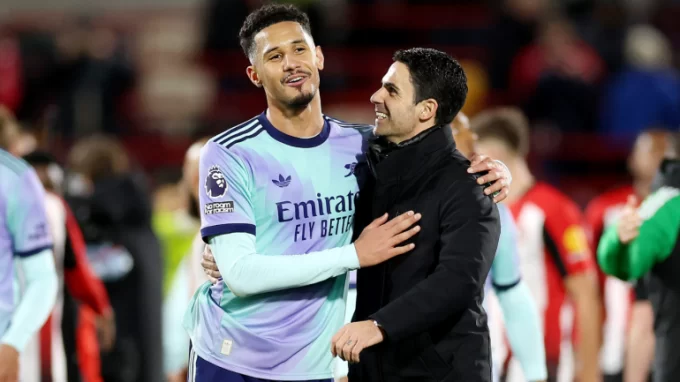
William Saliba: Arsenal’s Silent Architect or Its Greatest Gamble?
The air inside the Emirates shifts with unspoken tension—William Saliba, once a...
Joseph Bennett2 Mins read
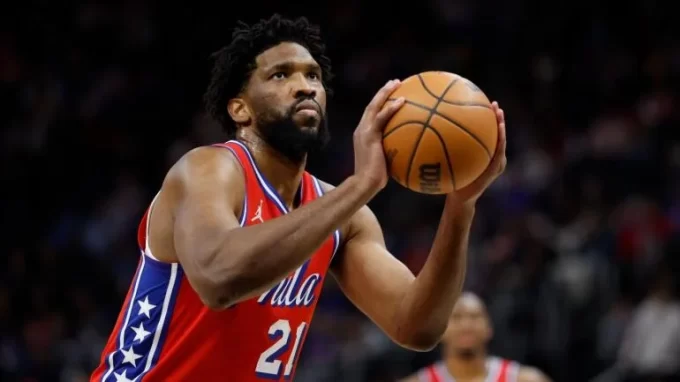
Joel Embiid’s Quiet Confidence: Is the 76ers’ Giant Ready to Rewrite His Story?
Joel Embiid is rarely one to make noise without purpose, and now,...
 Kirsten Collins1 Mins read
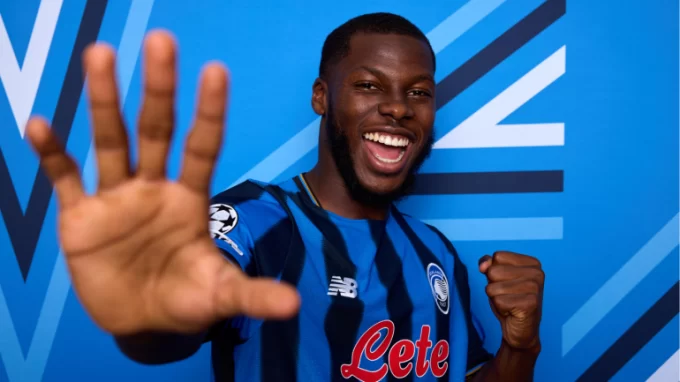
Juventus, Atalanta, and Arsenal’s Quiet Revolution: What’s Really Shaping This Week in Football?
The roar of Serie A stadiums masks a subtle shift, one that...
Kirsten Collins2 Mins read





Leave a comment