

Barbra Streisand’s Silent Pay Gap: What We’re Still Not Talking About
When a legend like Barbra Streisand reveals she earned less than her male co-stars on Meet the Fockers, it’s more than a confession—it’s a mirror held up to Hollywood’s persistent inequality. But why does the industry still resist reckoning with this truth?
 Chris MarksJune 23, 20251 Mins read21
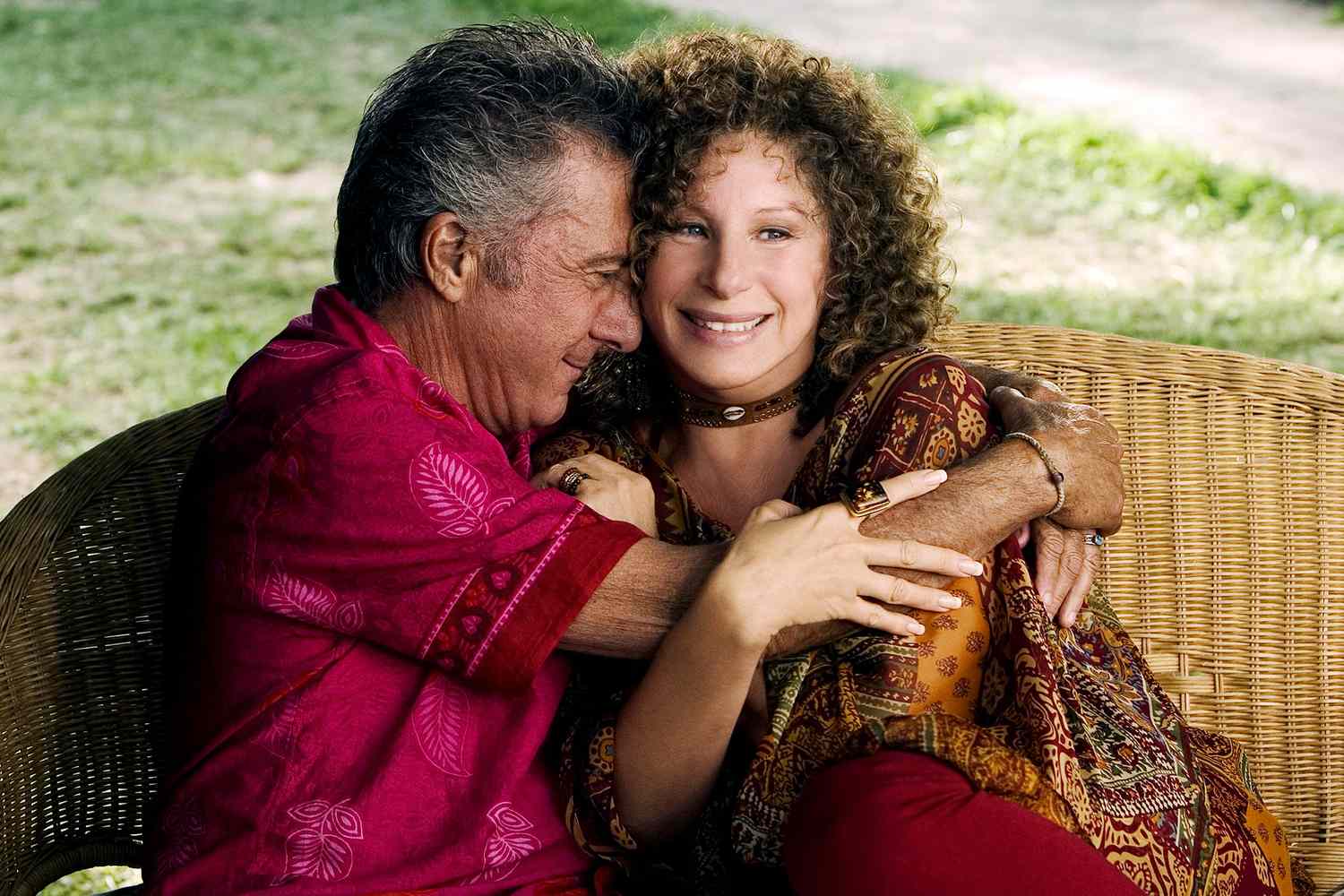
Universal/courtesy Everett Collection
She is an icon—a voice that shaped generations, a presence that commands attention. Yet, even Barbra Streisand, with her towering legacy, was paid less than her male counterparts for Meet the Fockers. This revelation doesn’t just crack open an old wound; it exposes a festering industry-wide refusal to acknowledge a glaring truth. How does one of Hollywood’s most powerful women find herself on the wrong side of the pay ledger, decades into a career that has defined the entertainment landscape?
It’s a paradox wrapped in velvet: a legend of equality speaking candidly about inequality, challenging the invisible architecture that still cages female artists. “It was clear they didn’t pay me the same,” Streisand said with a calm that almost belies the weight of her words. But why has the industry allowed such disparities to persist for so long, even when faced with undeniable talent and box-office gold?
The Quiet Currency of Power
Money talks in Hollywood, but whose voices does it amplify? Streisand’s story is a microcosm of a broader narrative—where star power and gender collide under an uneven spotlight. It begs a deeper question: does fame offer women true leverage, or is it a gilded cage that disguises the old rules?
Behind the scenes, negotiations are a battleground of perception and prejudice. Even the most revered names are not immune to the industry’s persistent undervaluation of female contributions. And as one insider notes, “The conversation has shifted, but the ledger hasn’t caught up.”
When Legacy Meets Modern Reckoning
Barbra’s honesty invites us to reconsider what progress looks like. It’s not just about dollars—it’s about recognition, respect, and rewriting an unspoken contract long overdue for change. Is the pay gap a symptom or the disease itself? And if a figure of Streisand’s stature still faces this disparity, what hope is there for the countless voices still unheard?
This isn’t a mere Hollywood scandal; it’s a cultural fissure, widening with every story untold and every dollar unbalanced. Streisand’s revelation isn’t an endpoint—it’s an invitation to confront what remains unspoken in the heart of the industry.





When Are the Oscars 2026? Date of the Academy Awards – Hollywood Life
Image Credit: AFP via Getty Images The Oscars are officially on the...
 Kirsten Collins1 Mins read
Ticket Prices & Presale Details – Hollywood Life
View gallery Image Credit: Dave J. Hogan/Getty Images Harry Styles is embarking...
Kirsten Collins2 Mins read
Where Is Lawrence Jones on ‘Fox & Friends’? Health Update Amid Hiatus – Hollywood Life
Image Credit: Getty Images Fans of Lawrence Jones, a Fox & Friends...
Kirsten Collins1 Mins read
Who Is Lexi Minetree? 5 Things to Know About the ‘Elle’ Series Actress – Hollywood Life
View gallery Image Credit: Getty Images for Hello Sunshine Lexi Minetree plays...
Kirsten Collins2 Mins read




Leave a comment