

The Sell-Off Illusion: When Losing Is Just a Cover Story
They were supposed to disappear. Instead, they’re starting to haunt the standings. What if the teams who sold the farm at the MLB trade deadline were only pretending to quit?
 Kirsten CollinsAugust 7, 20252 Mins read14
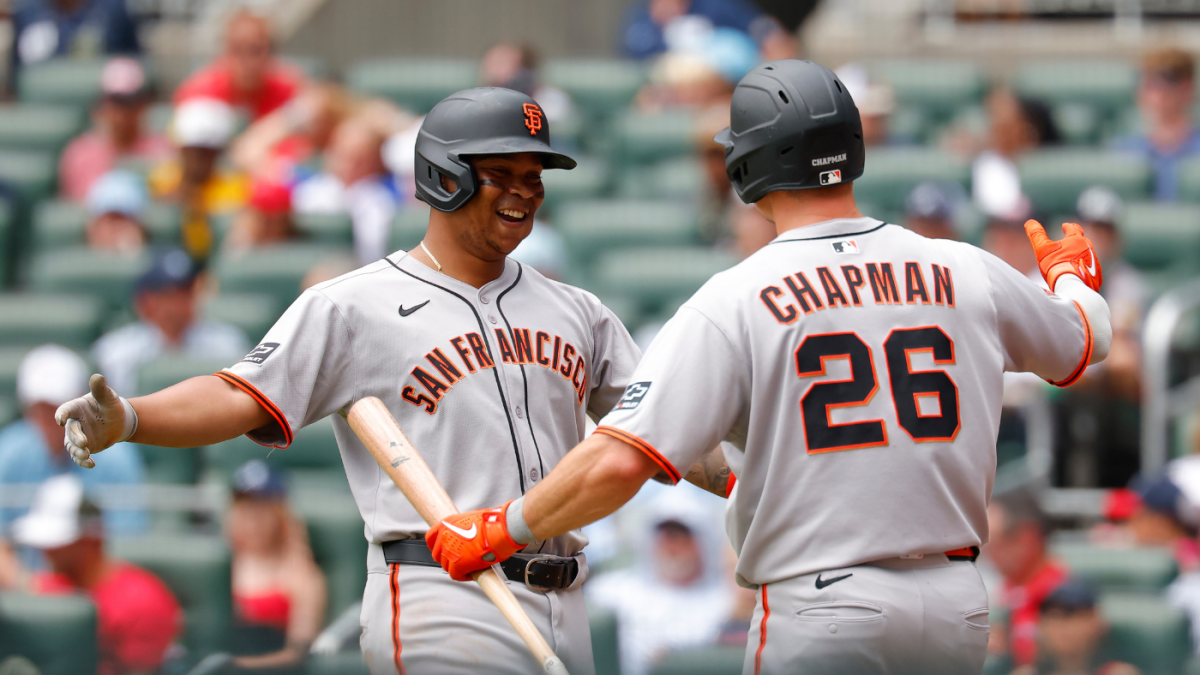
They didn’t flinch when they gutted the roster—because maybe, just maybe, they knew something we didn’t.
A few weeks ago, the Washington Nationals were labeled irrelevant. The Mets, a punchline. The Tigers? Already halfway into hibernation. With the trade deadline’s cruel economy of ambition, these teams became sellers—publicly admitting defeat, loading off stars like antique furniture in a fire sale. And yet, somewhere in the fine print of those transactions, a strange possibility took root: what if they never really intended to vanish?
Major League Baseball has always worshipped the drama of the long game—162 chances to fall apart or flip the script. But 2025’s post-deadline narrative is different. This isn’t just about underdogs rallying. This is about a deeper kind of theatre: the performance of collapse as strategic camouflage. While the league fed the media the story of surrender, a few “sold” teams quietly sharpened their teeth.
The Performance of Defeat Is a Dangerous Game
The Miami Marlins looked like they’d cashed out. Trading their reliable bullpen arms felt like a white flag. But fast-forward two weeks, and they’re within breathing distance of a wild card spot. And the fans? Confused, thrilled, and skeptical in equal measure. “It felt like they were mailing it in,” one longtime Marlins supporter told me, “but now it’s like… they’re trying to sneak in through the back door.”
And they’re not alone. The Cincinnati Reds—who offloaded veterans and signaled a youth movement—are suddenly playing like they believe in ghosts. In this upside-down moment, selling might just be the new buying. Perhaps these teams calculated that a lighter payroll, less pressure, and the illusion of mediocrity could unlock something rare: momentum without expectation.
Baseball’s Shadow Scripts Are Where the Real Stories Lie
What we’re watching now isn’t just a playoff push—it’s a narrative jailbreak. The teams left standing after the deadline weren’t necessarily the strongest. They were simply the most obvious. The others? They’re writing alternate endings. Messier. Stranger. More thrilling.
It begs the question: Is the trade deadline less a declaration of strategy and more a kind of show business? A sleight-of-hand act where executives whisper, “We’re out,” while secretly studying the wildcard math? The 2025 season is asking us to reconsider our faith in the public script. The official line may be that these clubs sold—but under the surface, they’re playing a different kind of game. A quiet insurgency. A rebellion told in box scores and late-inning rallies.
And what if it works? What if one of these “finished” teams crashes the October party? What if a club like the Nationals—declared dead on arrival—manages to claw its way into relevance, not despite the sell-off, but because of it?







Barcelona’s Fragile Pursuit: When Injuries Threaten More Than Just a Season
A silence spreads over Camp Nou that no roar can drown out—two...
 Chris Marks2 Mins read
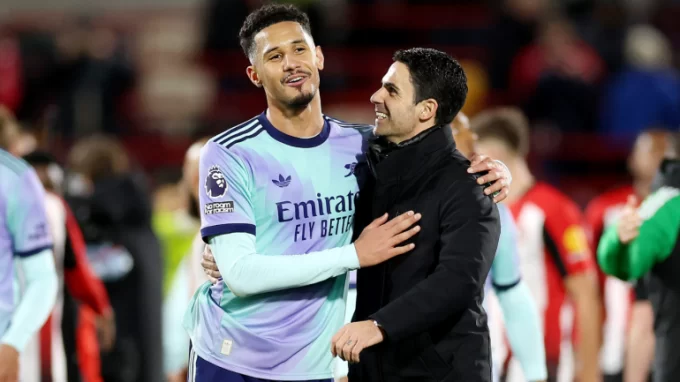
William Saliba: Arsenal’s Silent Architect or Its Greatest Gamble?
The air inside the Emirates shifts with unspoken tension—William Saliba, once a...
 Joseph Bennett2 Mins read

Joel Embiid’s Quiet Confidence: Is the 76ers’ Giant Ready to Rewrite His Story?
Joel Embiid is rarely one to make noise without purpose, and now,...
Kirsten Collins1 Mins read
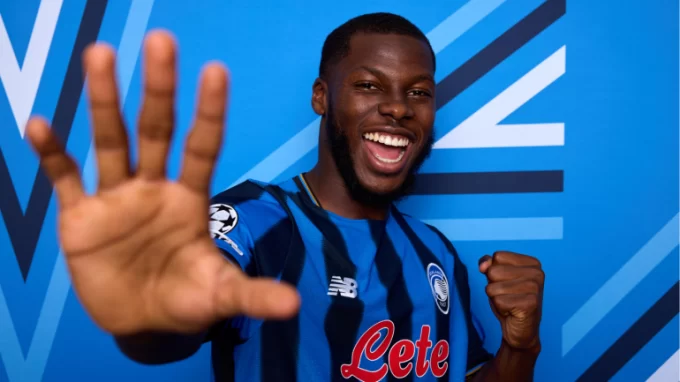
Juventus, Atalanta, and Arsenal’s Quiet Revolution: What’s Really Shaping This Week in Football?
The roar of Serie A stadiums masks a subtle shift, one that...
Kirsten Collins2 Mins read




Leave a comment