

The Myth of the Perfect Manager: What Does True Leadership in Baseball Look Like?
It’s easy to credit wins to a manager’s record or bullpen decisions, but what if that’s not the full picture? What if the greatest managers in baseball are the ones we’ve overlooked, those who inspire something more than strategy?
 Kirsten CollinsMay 8, 20253 Mins read163
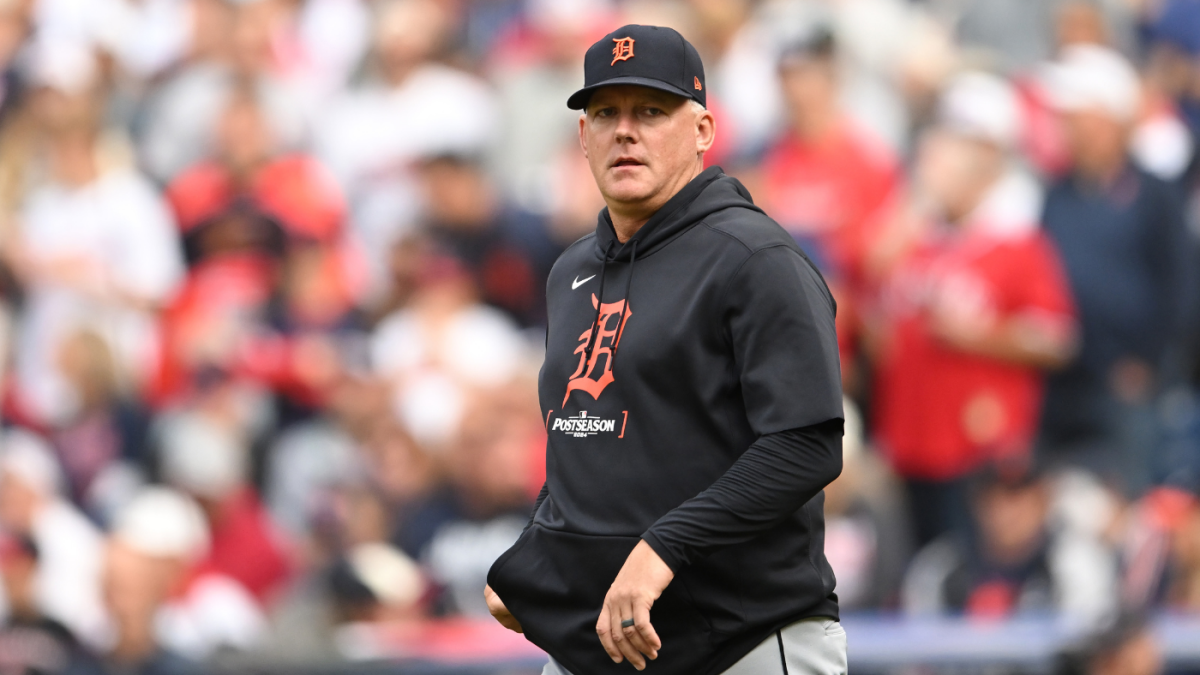
We think we know what makes a great baseball manager: the record, the bullpen management, the timely decision-making. But does that really capture the essence of leadership in the dugout? What if the secret to true managerial success isn’t measured by the number of wins or the perfect bullpen deployment, but something much harder to quantify? Could the best managers of all time be the ones whose impact we never truly see on a stat sheet?
At first glance, the numbers seem to tell the whole story. The best managers, the ones who stand out in the postseason and regular season alike, are the ones with the most wins, the best bullpen strategies, the ones who can do it all when the game’s on the line. But there’s something unsettling about this narrative—something that doesn’t sit right when we start to dig deeper. Could we be measuring the wrong thing?
The Unseen Influence
It’s a narrative we love to play with: the genius manager who makes all the right calls. The one who stays cool under pressure, who knows exactly when to pull a pitcher and when to let the game play out. But beneath the surface of those decisions lies an unquantifiable quality—the manager’s ability to inspire, to build a team culture that thrives on resilience and belief. We’ve all seen it: teams that just “click,” that seem to play with a spirit of unspoken unity. But is that something you can find on a stat sheet?
“Baseball is about more than making the right move—it’s about knowing the heart of your team,” said an unnamed MLB veteran, watching the recent debates over managerial greatness unfold. The veteran’s words echo a larger truth that’s often dismissed in the stats-heavy analysis of managerial greatness. Leadership in baseball can’t be calculated solely by wins, losses, or pitching changes. It’s about the nuances—the subtle undercurrents of inspiration, the way a manager crafts a winning mentality that goes far beyond the scoreboard.
The Ghost in the Dugout
We’ve seen it time and time again—the teams that overachieve. The underdogs who defy expectations not through superior strategy, but by sheer will, by believing in themselves when no one else does. These are the moments that matter, and yet, we often forget the architects behind them. How many times have we overlooked a manager’s true impact, simply because their record doesn’t stand out in the way we expect? How often have we brushed aside a manager who wasn’t part of a big-market team or an annual playoff contender, yet still managed to inspire greatness in a group of players?
Isn’t this what true managerial greatness is? The ability to lead a team that plays beyond its potential, that rises to challenges when the odds are stacked against them, that never quits, even when it seems impossible. These are the moments that go unnoticed, but these are the moments that truly define what it means to be a great manager in baseball.
The Intangibles
So, who is the best manager in baseball? Perhaps the better question is: Who is the manager that gets the most out of the players they have? The best manager isn’t just the one who wins the most games—it’s the one who, when faced with adversity, can turn the tide with little more than words and trust. This is why we see certain managers lift teams to unexpected heights, not through calculated decisions but through their unwavering belief in their players’ ability to perform under pressure.
And that’s where the mystery lies: If it’s not just the numbers or the strategies that define a manager’s greatness, what is it that truly separates the great from the good? What if it’s not the ones with the most wins, but the ones who push their players to reach beyond themselves—who turn a group of talented individuals into a true team?
As you think about it, ask yourself: Could the best manager in baseball be the one whose impact you can’t measure? And if so, how many of the truly greats have been lost to the shadow of the stat sheet? Maybe the answer is simpler than we think—or maybe it’s more complicated than we’re willing to admit. One thing is certain: the best managers are never just the ones who win—they’re the ones who make us believe in the game all over again.





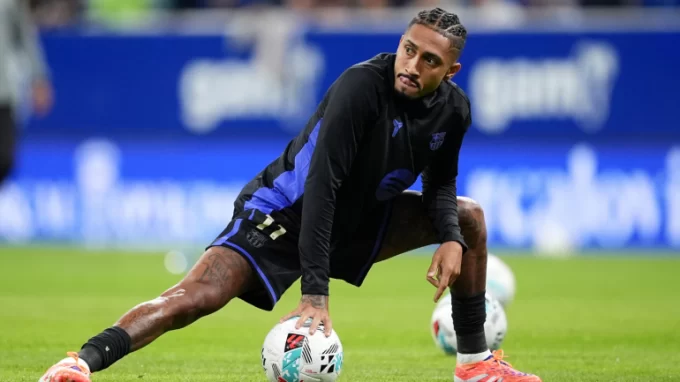
Barcelona’s Fragile Pursuit: When Injuries Threaten More Than Just a Season
A silence spreads over Camp Nou that no roar can drown out—two...
 Chris Marks2 Mins read
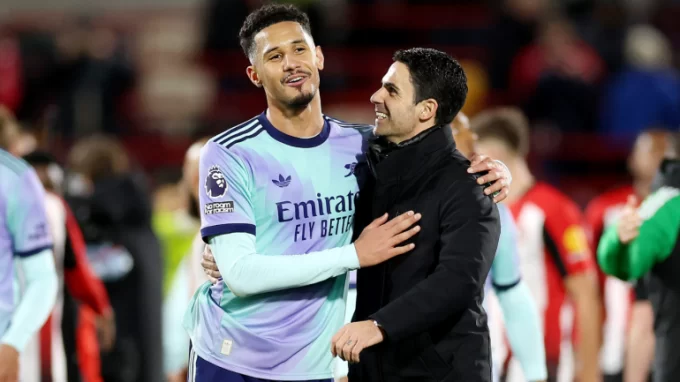
William Saliba: Arsenal’s Silent Architect or Its Greatest Gamble?
The air inside the Emirates shifts with unspoken tension—William Saliba, once a...
 Joseph Bennett2 Mins read
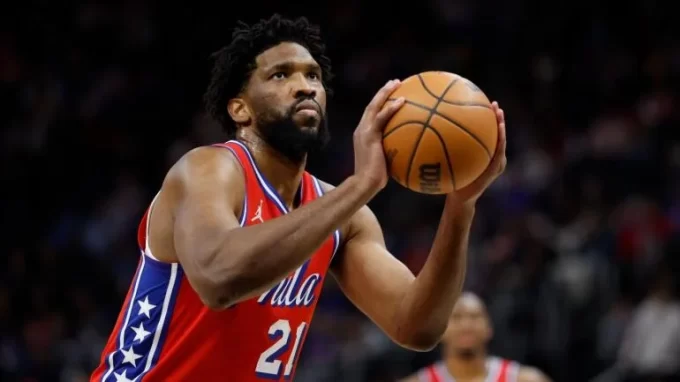
Joel Embiid’s Quiet Confidence: Is the 76ers’ Giant Ready to Rewrite His Story?
Joel Embiid is rarely one to make noise without purpose, and now,...
Kirsten Collins1 Mins read
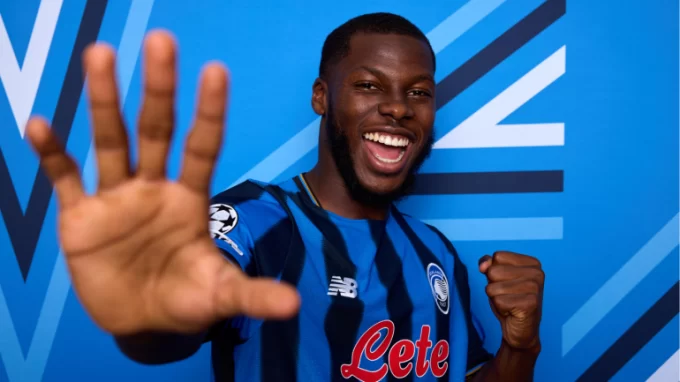
Juventus, Atalanta, and Arsenal’s Quiet Revolution: What’s Really Shaping This Week in Football?
The roar of Serie A stadiums masks a subtle shift, one that...
Kirsten Collins2 Mins read





Leave a comment