

John Legend’s Mashed Potatoes Metaphor: What Does Kanye Really Smell Like?
When John Legend compares Kanye West’s scent to mashed potatoes, he isn’t just talking about smell—he’s opening a door to the eccentricities, contradictions, and hidden layers of a cultural enigma we all think we understand.
 Chris MarksJuly 2, 20252 Mins read16
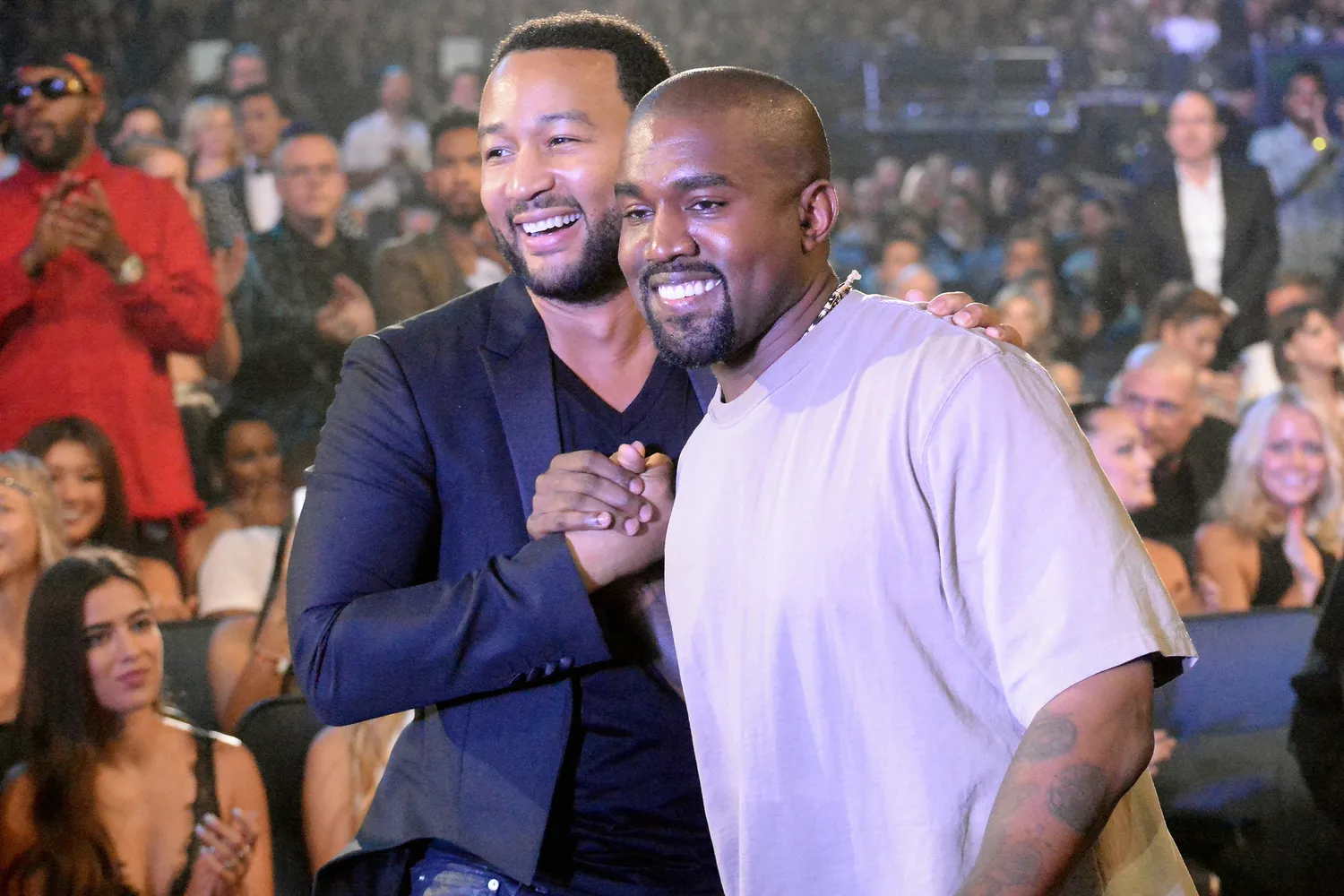
There’s an image hard to shake: John Legend standing in the calm eye of celebrity chaos, quietly announcing that Kanye West “smells like mashed potatoes.” It’s a phrase that trips off the tongue yet refuses to land comfortably—simultaneously mundane and utterly baffling. What exactly does this scent reveal about Kanye’s volatile aura? Is it a subtle jab, a hint of warmth, or a cryptic symbol that only those close to him can decipher?
This is no ordinary celebrity soundbite. It’s a riddle wrapped in starch, inviting us to question what we really know about the man behind the myth. Kanye, after all, has crafted a persona so layered and contradictory that even his scent becomes a metaphor worth unpacking.
The Peculiar Poetry of Celebrity Scent
John Legend’s choice is strangely poetic. Mashed potatoes evoke comfort, nostalgia, the ordinary turned extraordinary in a humble dish. Is Kanye, the mercurial genius, somehow grounded in everyday normalcy? Or is Legend highlighting a surreal dissonance—an artist who smells like a Thanksgiving dinner but acts like an upheaval? “It’s like he’s both the familiar and the unpredictable,” Legend mused, in a moment that feels equal parts affectionate and bemused.
What if this odd metaphor is a subtle commentary on celebrity’s disarming contradictions? That even those who redefine culture can carry the scent of simple human moments, untouched by the glitz? It begs a larger question—do we ever really smell the truth behind celebrity façades, or just the masks they choose to wear?
A Scent That Haunts the Air
There’s something unsettling in the way this mashed potato image clings to Kanye’s legend. It’s a reminder that beneath the spectacle, beneath the headlines, there is an essence — perhaps messy, familiar, or even strangely banal — that shapes how we remember and interpret him. John Legend, with that offbeat comparison, invites us into a rare intimacy, a backstage moment of cultural candor.
As Legend put it, “You never quite know what you’re going to get with Kanye.” That unpredictability, that refusal to fit neatly into categories, makes this metaphor more than just a quip—it becomes a question. What is the true nature of genius wrapped in controversy, of warmth tangled with chaos?
In the end, maybe the mashed potatoes are a metaphor for us all: imperfect, comforting, a little strange. As the scent lingers in the air of our cultural consciousness, we’re left wondering—not just about Kanye’s odor—but about the enigmatic essence that defines us, that defies easy labels. What if, beneath the surface, we all smell like mashed potatoes?
A whisper, a question, a scent we can’t quite place.






When Mercy Meets Tragedy: The Widow Who Forgave Her Husband’s Killer
The air thickens when forgiveness enters a room meant for grief. Imagine...
Chris Marks1 Mins read

When Fear Became a Lifeline: Pete Davidson’s Reckoning in Rehab
There’s a silence that follows a mother’s voice when she confesses her...
 Joseph Bennett1 Mins read

Pete Davidson’s mom told him in rehab worst fear was learning he died
Pete Davidson is opening up about the heartbreaking moment he had with...
Chris Marks2 Mins read

Katie Couric’s Unexpected Spin on Sydney Sweeney’s American Eagle Ad: What’s Really Being Said?
Katie Couric stepping into a scene dominated by Gen Z glamour feels...
 Krista Freeland2 Mins read





Leave a comment