

The Last Wave: Remembering a Beach Boys Legend at 82
As the sun sets on the life of a Beach Boys icon, the echoes of surf, sand, and fractured harmony linger — but what does his passing reveal about the fragility beneath the Californian myth?
 Chris MarksJune 11, 20251 Mins read15
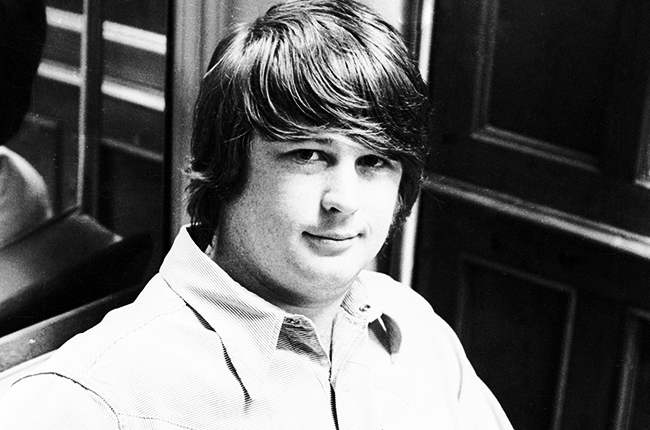
The sun wasn’t just setting on a Californian afternoon—it was setting on an era. At 82, the passing of a Beach Boys singer wasn’t merely a headline; it was a tremor through the coastal mythos that defined an entire generation. How does a voice so intimately tied to waves and youthful rebellion survive the relentless tide of time?
The Beach Boys were never just a band—they were a symbol, a shimmering reflection of a California that was always partly real, partly imagined. With his death, the delicate veneer cracks, exposing a man and a story far more complex than the sun-drenched harmonies suggested.
Between Myth and Melancholy
Behind the perfect harmonies, there were shadows—creative struggles, personal battles, and the merciless demand of living up to a legend. “He was the heartbeat of a dream that wasn’t always his own,” a close friend once confided. In death, the question isn’t just who he was, but what that dream cost him—and us. Can we still believe in the golden California fantasy when its architects fall silent?
This is the enduring paradox of legacy: celebrated yet haunted, immortalized but profoundly human.
The Surf Song as a Story Untold
The Beach Boys’ music carved out a sanctuary, a place where the rough edges of reality softened beneath sun-soaked chords. But with his passing, the soundtrack of that sanctuary changes tone. Is it nostalgia, or something more unsettling? Something that forces us to reconsider the stories we tell about youth, joy, and the inevitable fading of both?
In the end, the echo of his voice—equal parts fragile and defiant—reminds us that every wave crashes, every song ends, and every legend has its dusk. But does the spirit of that sunset linger in us longer than the light itself?
He left behind more than melodies. He left behind questions—about beauty, loss, and the restless pursuit of a fleeting perfect moment. And perhaps, that is the true legacy of a Beach Boys legend: not the songs we remember, but the silence that follows.








Laufey’s Opening Night Show at LA’s Crypto.com Arena: Best Moments
Laufey opened a two-night stand at Crypto.com Arena in downtown Los Angeles...
Chris Marks6 Mins read

Julie Adam Is Billboard Canada Women in Music’s 2025 Exec of the Year
Julie Adam is having a milestone year — and it’s getting even...
Chris Marks4 Mins read

Spinal Tap Tribute Album with Foo Fighters,Tool for Teen Cancer America
Spinal Tap may be a fake band, but its music is very...
Chris Marks2 Mins read

AxMxP Is K-Pop Rookie of the Month for September: Exclusive Photos
Ha Yoo Joon Image Credit: Chin Soyeon You debuted on Sept. 10....
Chris Marks2 Mins read




Leave a comment