

Eulogy in the Mirror: Al Jardine Confronts Mike Love’s Shadowed Tribute
At Brian Wilson’s funeral, Al Jardine felt the spotlight shifted from remembrance to self‑aggrandizement. His scathing remarks about Mike Love’s speech expose fractures that run deeper than any lyric.
 Joseph BennettAugust 21, 20251 Mins read24
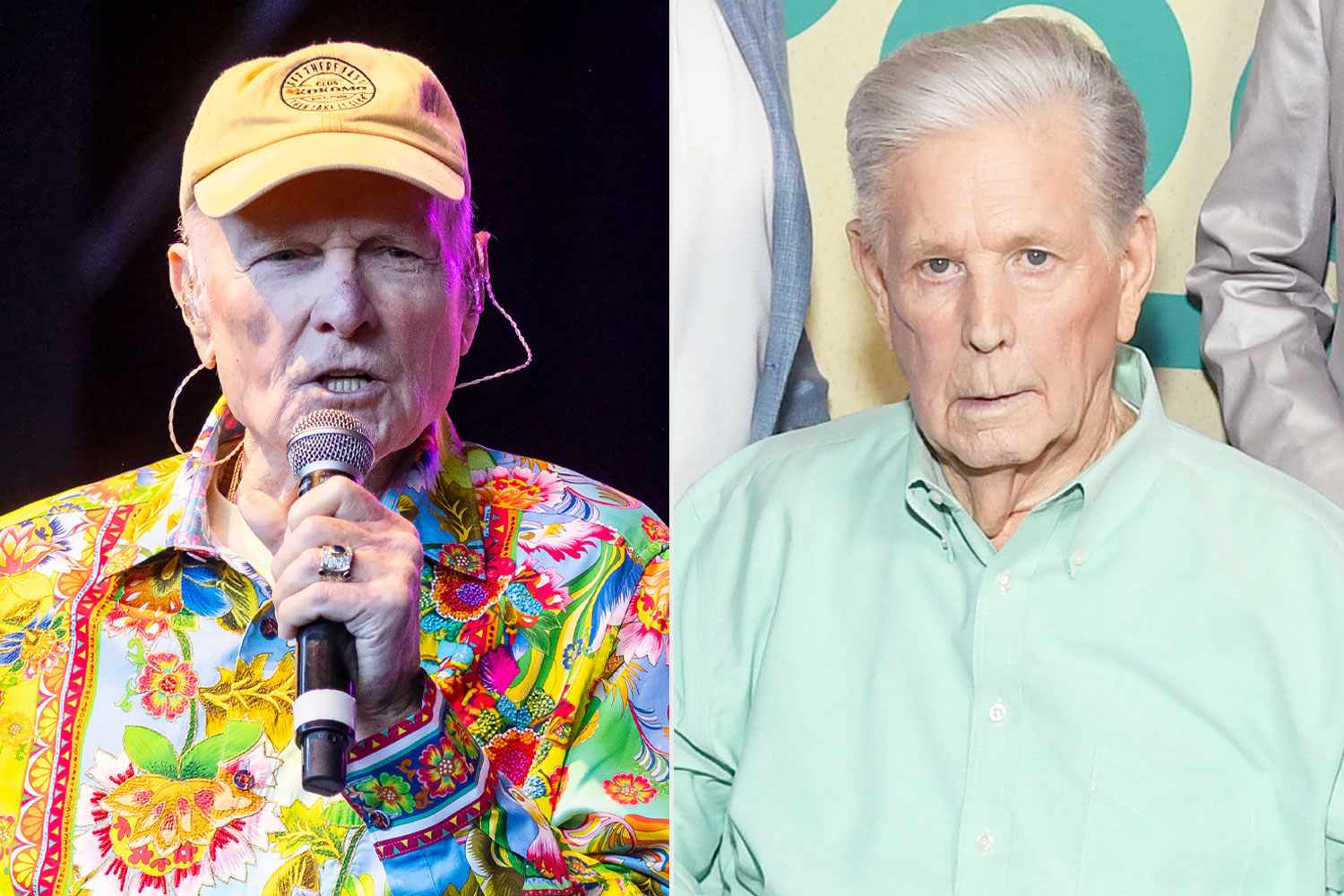
Scott Legato/Getty; Alberto E. Rodriguez/Getty
He stood at the lectern meant to honor a genius, but instead, it became a pedestal for pride. Al Jardine, mourning the passing of Brian Wilson, watched as his fellow Beach Boy, Mike Love, commandeered the moment—alerting guests he’d written every single word of “Good Vibrations.” What should have been a collective grieving became, in Jardine’s eyes, a self‑serving spectacle.
Even in death, Wilson’s legacy courts controversy.
Compassion That Went Missing
Jardine’s words were blunt: “I didn’t feel the compassion, let’s put it that way… Mike’s got some serious megalomania problems.” His own speech, marked with quiet restraint, offered a playful jab—“We wrote one called ‘Surfin’ Down the Swanee River’… it just wasn’t as big as Good Vibrations.” The laughter it drew wasn’t just mirth—it was a release, a reminder that honoring Wilson meant something beyond ego.
Legacy Friction, Eternal Echoes
This clash was no surprise. The Wilson‑Love‑Jardine triangle has long been frayed—legal battles, creative clashes, reunion fragmentation. Yet at Brian’s final farewell, the tension crystallized in words meant to comfort but twisted into claims of primacy. Love’s defense, framed around preserving the band’s songbook and supporting the co‑founders, stands polished. But Jardine’s retort—saying, “I was focusing on Brian, and Mike was more focused on Mike”—pierces through the gloss to the raw core of dissent.
In the shadows between those speeches, a deeper narrative unfolds: about memory, authorship, and the price of rock‑and‑roll immortality. Brian Wilson, the visionary, is gone—but in the politics of legacy, the Beach Boys’ men remain very much alive.
In that moment of goodbye, the mirror was held up to the band—and it reflected not only grief, but the enduring struggle for remembrance, recognition, and redemption.






When Mercy Meets Tragedy: The Widow Who Forgave Her Husband’s Killer
The air thickens when forgiveness enters a room meant for grief. Imagine...
 Chris Marks1 Mins read

When Fear Became a Lifeline: Pete Davidson’s Reckoning in Rehab
There’s a silence that follows a mother’s voice when she confesses her...
Joseph Bennett1 Mins read

Pete Davidson’s mom told him in rehab worst fear was learning he died
Pete Davidson is opening up about the heartbreaking moment he had with...
Chris Marks2 Mins read

Katie Couric’s Unexpected Spin on Sydney Sweeney’s American Eagle Ad: What’s Really Being Said?
Katie Couric stepping into a scene dominated by Gen Z glamour feels...
 Krista Freeland2 Mins read





Leave a comment