

The Fragile Facade: When Digital Glamour Meets Human Vulnerability
Liz Lin Ruoyu’s sudden death at 36 forces us to confront the unseen fractures beneath the glossy surface of influencer culture—what do we lose when curated perfection masks deep pain?
 Kirsten CollinsAugust 11, 20252 Mins read13
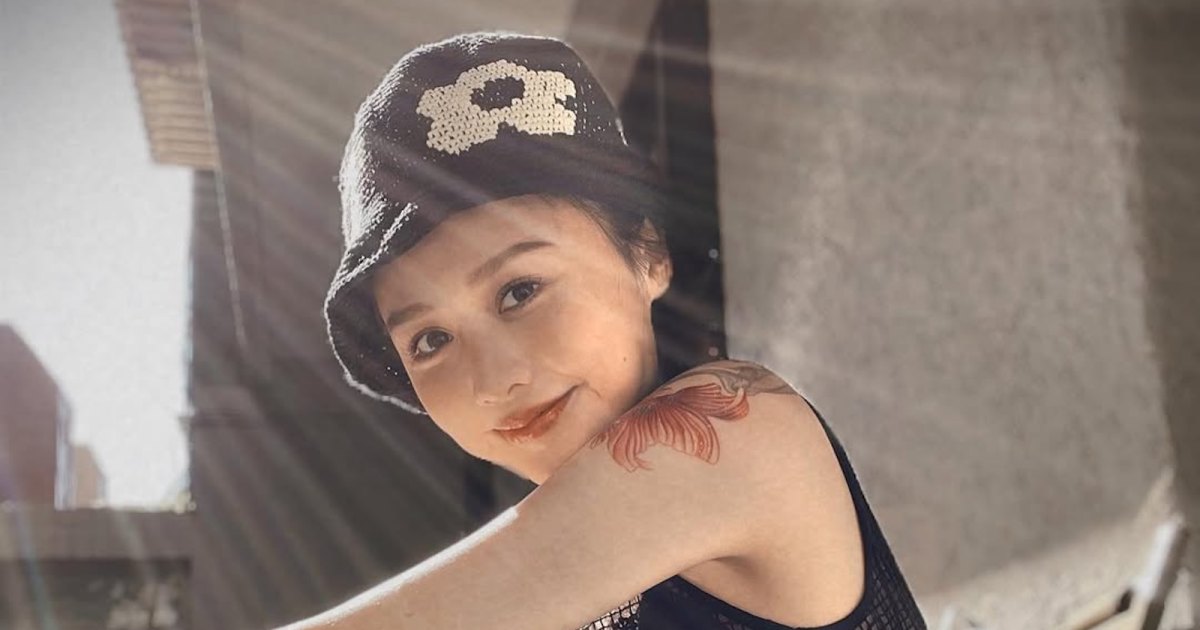
She was everywhere and nowhere all at once—a digital siren whose radiant Instagram feed promised flawless skin and effortless charm, yet behind that pixel-perfect smile, a silence grew. Liz Lin Ruoyu, a beauty influencer who amassed thousands of followers craving her glow, died at just 36. The news didn’t just ripple through the beauty community; it detonated a question hanging over the era of social media fame: How well do we truly know those we worship online?
Liz’s death cracks open the glittering veneer of influencer culture—a world obsessed with surface, likes, and followers, where authenticity is both currency and casualty. What happens when the carefully constructed online persona fractures under the weight of real-life struggle? In a realm where vulnerability is optional and perfection mandatory, the line between performance and person blurs dangerously.
The Illusion of Eternal Radiance
Followers may see only beauty tutorials and curated snapshots, but behind every post lies a negotiation with identity—an exhausting balancing act between authenticity and expectation. Liz was, by all accounts, a creator who shaped trends and empowered her audience with makeup’s transformative magic. Yet, the very tools of her craft became a mask, a fragile shell shielding her inner life. The influencer economy often demands relentless self-optimization, pushing creators to commodify not just their appearance, but their emotions. It’s an industry that profits off vulnerability while silently perpetuating isolation.
“I never felt like I could fully be myself,” Liz once confided in an offhand comment buried in a livestream chat—a fleeting glimpse of realness that went largely unnoticed. It’s a confession that haunts the digital age, where the pressure to perform well online can stifle the very humanity audiences crave.
When the Spotlight Casts Shadows
Social media’s unforgiving spotlight illuminates success and amplifies scrutiny in equal measure. For Liz, this meant navigating a world that celebrated her beauty yet ignored the warning signs. Influencer burnout is not a myth; it’s a quiet epidemic marked by anxiety, loneliness, and relentless self-scrutiny. The platforms built to connect us paradoxically deepen the gulf between appearance and reality.
Her passing forces us to rethink what we demand from public figures in the age of oversharing. Are we complicit in expecting polished perfection while ignoring the emotional labor behind every post? The beauty influencer’s death is a mirror reflecting our collective discomfort with imperfection, a silent plea to reexamine how digital fame intersects with mental health.
Liz Lin Ruoyu’s story is not an isolated tragedy but a symptom of a culture caught between illusion and truth. In an online world addicted to surface, the question lingers: What price do we pay for the relentless pursuit of digital immortality? The answer is murky, hidden in the spaces between filtered photos and unspoken pain.
And so, we scroll on—mesmerized, yearning, unsettled—wondering which lives behind the screen might also be quietly breaking apart, even as their followers cheer on.






When Mercy Meets Tragedy: The Widow Who Forgave Her Husband’s Killer
The air thickens when forgiveness enters a room meant for grief. Imagine...
 Chris Marks1 Mins read
When Fear Became a Lifeline: Pete Davidson’s Reckoning in Rehab
There’s a silence that follows a mother’s voice when she confesses her...
 Joseph Bennett1 Mins read
Pete Davidson’s mom told him in rehab worst fear was learning he died
Pete Davidson is opening up about the heartbreaking moment he had with...
Chris Marks2 Mins read
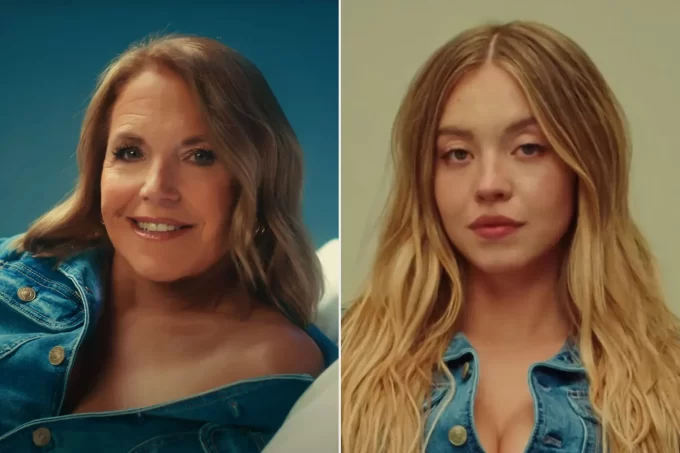
Katie Couric’s Unexpected Spin on Sydney Sweeney’s American Eagle Ad: What’s Really Being Said?
Katie Couric stepping into a scene dominated by Gen Z glamour feels...
 Krista Freeland2 Mins read




Leave a comment