

When Art Meets Outcry: Sydney Sweeney and Halsey’s Bold Plea Amidst Controversy
Sydney Sweeney’s latest film Americana is stirring more than just cinematic applause—co-star Halsey’s call to “see the movie” invites us to confront the tangled dance between art, controversy, and cultural courage.
 Kirsten CollinsAugust 25, 20252 Mins read19
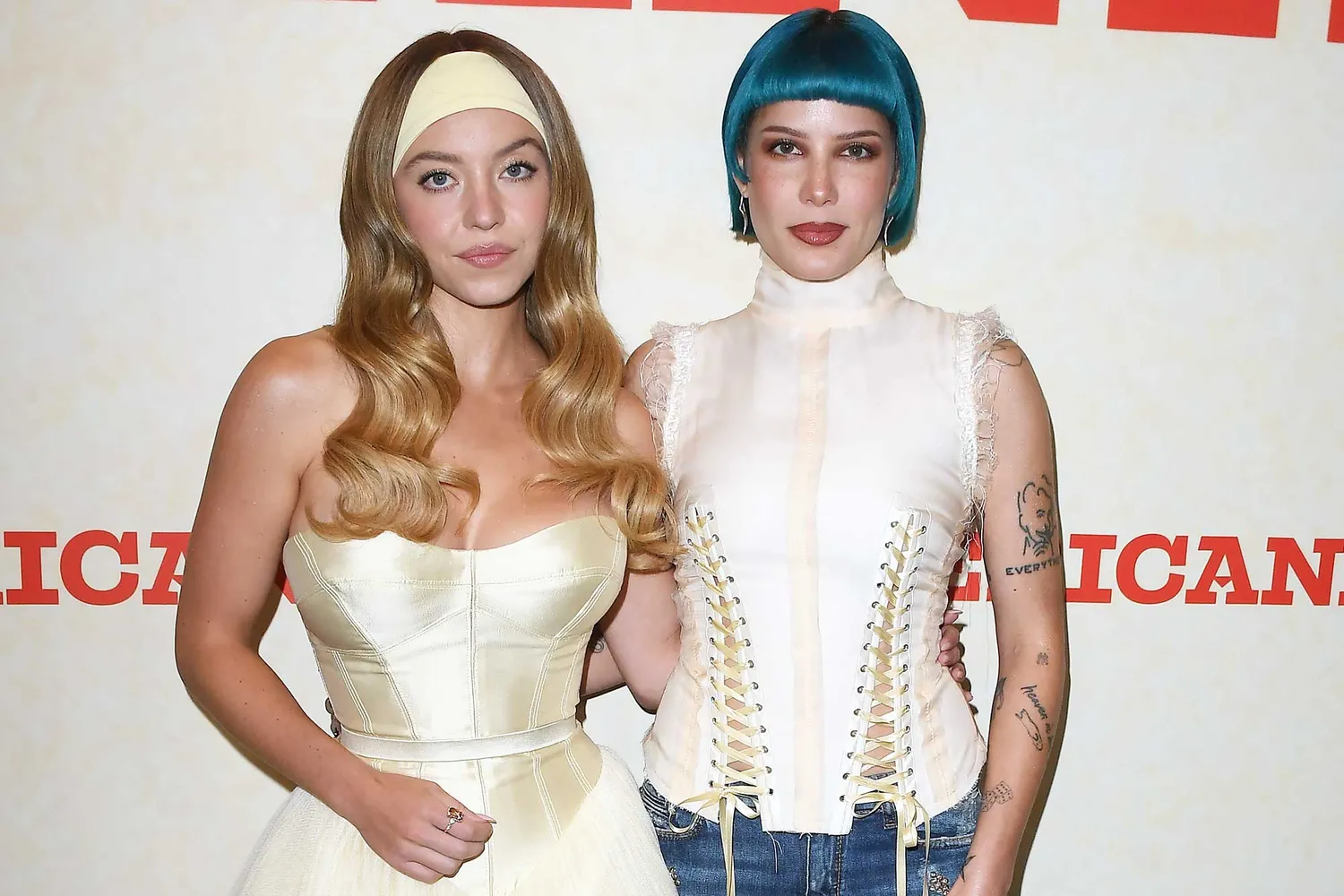
The moment a film drags itself from the shadows of festival buzz into the harsh glare of public scrutiny, something peculiar happens: art becomes a battleground, and every frame turns into a statement—whether intended or not. Americana, starring Sydney Sweeney, is no exception. But what if the controversy surrounding it isn’t a roadblock but a deliberate invitation?
Halsey, whose role is as enigmatic as the film itself, has stepped forward—not just as a co-star, but as a cultural provocateur—urging audiences to experience Americana firsthand. “See the movie,” they say, almost daring us to untangle the layers of discomfort and fascination that swirl around it. Is this encouragement a shield, a challenge, or something altogether more complex?
Where Comfort Ends, Conversation Begins
The whisper of dissent that follows Americana’s release isn’t accidental. It’s as if the film itself thrives on unsettling the usual cinematic calm, prompting us to ask: what do we owe to stories that refuse easy answers? Sydney Sweeney’s performance is charged with a magnetic tension, her presence anchoring the narrative’s fraught edges. Yet it is Halsey’s bold appeal that forces us to confront our own thresholds for discomfort and engagement.
This isn’t just about a movie—it’s about the cultural moment we’re living in, where art is both weapon and wound. “The real question,” Halsey insists, “is whether we’re ready to face the truths that Americana holds up to the light.” Their words linger, a provocation and a promise.
The Thin Line Between Outcry and Understanding
Critics and audiences alike seem caught between condemnation and curiosity. What exactly has Americana disturbed? Is it the themes, the characters, or the mirror it holds up to a society desperate to look away? Sydney Sweeney’s portrayal suggests a layered complexity that defies easy judgment—an invitation to see beyond outrage to something deeper, maybe even redemptive.
Art, after all, has always been a gamble. Halsey’s plea is not merely promotional; it’s a rallying cry for dialogue, for reckoning. It pushes us to ask: when does a film cross the line from provocation to harm? And who gets to decide?
As the controversy unfolds, one thing becomes clear: Americana is not a movie to be passively consumed. It demands that we question, debate, and—most importantly—watch. Because sometimes, the most uncomfortable stories are the ones we most need to hear.
What will you do when the screen flickers to black, and the questions keep echoing?








Meet the Actors Behind the Netflix Series – Hollywood Life
Image Credit: Courtesy of Netflix The Straw Hat Pirates are setting sail...
Kirsten Collins2 Mins read

Release Date, Plot, Cast & More Updates – Hollywood Life
Image Credit: The Hollywood Reporter via Getty Disney is officially bringing Tangled...
Kirsten Collins2 Mins read

Who Will Win 2026 Best Actor? – Hollywood Life
View gallery Image Credit: Getty Images Timothée Chalamet and Michael B. Jordan...
Kirsten Collins3 Mins read
Trailer, Release Date, Cast, Book & More – Hollywood Life
Image Credit: Getty Images for CinemaCon Ryan Gosling is going to space,...
Kirsten Collins2 Mins read



Leave a comment