

The Carter Girls Don’t Just Perform—They Inherit
At the opening of Beyoncé’s Cowboy Carter tour, it wasn’t just the music that left audiences spellbound—it was the unspoken rise of Blue Ivy and Rumi, and the question of what legacy really looks like in the glare of a global stage.
 Krista FreelandApril 30, 20252 Mins read285
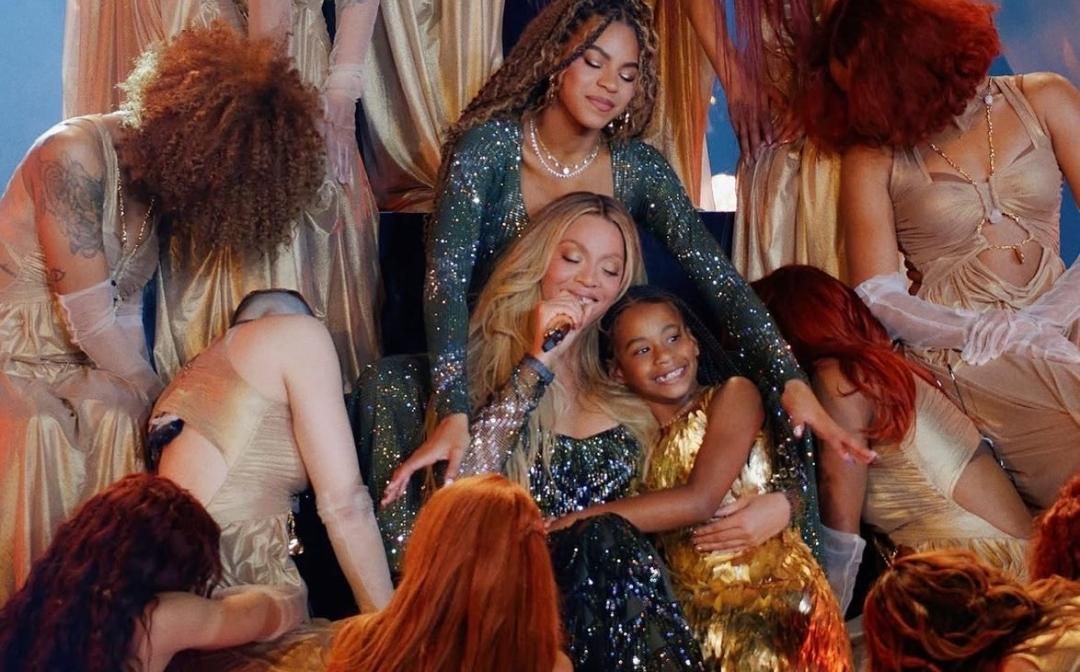
There’s a kind of silence that falls over a stadium when royalty appears—not the kind announced by trumpets or flashing lights, but one summoned by lineage. When Blue Ivy Carter stepped onto the Cowboy Carter stage, she didn’t dance so much as occupy it. When Rumi appeared, the hush turned into something closer to awe. These weren’t cameos. They were coronations.
Beyoncé has never asked for permission to redefine power, and she isn’t starting now. But what felt different on this tour—this shimmering, genre-bending rodeo of culture and rebellion—was the presence of her daughters. Their movements were measured, yes, but there was something else: a quiet assertion of inheritance. Not fame by osmosis, but artistry by design. Rumi, just seven, stared back at thousands like she knew the contract had already been signed in blood, rhythm, and gold.
They Were Born Into the Spotlight—But What Are They Becoming?
There’s something eerie about watching children perform on a stage built by their mother’s myth. Not because they don’t belong, but because they do—too easily, too well. Blue Ivy has long been the subject of public fascination: too stylish, too poised, too young to have that kind of presence. But perhaps that’s the point. She isn’t trying to impress us. She’s fulfilling something older, maybe even ancestral. Watching her move across that stage felt less like a debut and more like a prophecy being fulfilled.
“People forget, these girls have been in rehearsals since before they could walk,” a stylist close to the production murmured backstage. And it shows. Rumi, with her soft ferocity, seems less like a shadow of Blue and more like a warning: don’t blink. The future is arriving, and it’s dressed in satin boots and Texas soul.
When Legacy Wears Lip Gloss and Glares
The Cowboy Carter tour is full of fire, rebellion, and subversion—but it’s also something deeply feminine. Beyoncé has managed to weaponize gentleness, elegance, and maternal power all at once. In the presence of her daughters, the show doesn’t soften; it sharpens. Every note becomes generational, every step a kind of coded language between mother and child.
This isn’t about legacy as vanity. It’s about control. Beyoncé, more than anyone, understands what the world does to Black girls who shine too soon. So she’s not just passing a torch—she’s forging armor. These performances are rehearsals not just in movement but in command, in gaze, in silence. The Carter girls don’t speak on stage. They don’t have to.
And maybe that’s what haunts us the most. Not the spectacle of two young girls dancing beneath arena lights—but the unshakable sense that they know exactly who they are.
How do you raise a queen inside a kingdom still learning how to kneel?






When Mercy Meets Tragedy: The Widow Who Forgave Her Husband’s Killer
The air thickens when forgiveness enters a room meant for grief. Imagine...
 Chris Marks1 Mins read

When Fear Became a Lifeline: Pete Davidson’s Reckoning in Rehab
There’s a silence that follows a mother’s voice when she confesses her...
 Joseph Bennett1 Mins read

Pete Davidson’s mom told him in rehab worst fear was learning he died
Pete Davidson is opening up about the heartbreaking moment he had with...
Chris Marks2 Mins read

Katie Couric’s Unexpected Spin on Sydney Sweeney’s American Eagle Ad: What’s Really Being Said?
Katie Couric stepping into a scene dominated by Gen Z glamour feels...
Krista Freeland2 Mins read




Leave a comment