

Billboard Japan’s “Women in Music” List: What’s Being Celebrated—and What’s Still Missing?
Billboard Japan’s annual “Women in Music” list is a spotlight on the forces shaping the music industry—but what does it reveal about the world of music that we’re still not ready to confront? The names, the stories, and the omissions are just as telling as the accolades.
 Chris MarksMay 15, 20253 Mins read36

When the names hit the headlines, it’s always the same pattern: the usual suspects, the trailblazers, the women who make us nod in approval, yet leave us asking, “Why do we keep needing these lists to prove their worth?” Billboard Japan’s “Women in Music” is another reminder that progress has come—just not as fast as it should. Every year, the celebration feels a little more like a paradox. Celebrating women in music should be a revelation; instead, it feels like a reminder of the spaces still closed to them.
This year’s list is a roster of talent—pop stars, rock legends, emerging voices—and yet, if you really look closely, you might wonder whether we’re still marking time or actually moving forward. Yes, the names are deserved, but what are they really telling us about the industry’s evolving understanding of gender, diversity, and power?
Behind the List: The Silent Gaps
Billboard Japan’s recognition of female talent often feels more like a controlled unveiling, as if this applause is calculated, measured. It’s powerful, undeniably so, yet there is something quietly missing. Why does it always seem like the same kinds of voices—those who fit into mainstream, pop-centric molds—receive the lion’s share of attention? Where are the boundary-pushing indie artists who defy genre norms, or the experimental voices challenging the very fabric of Japan’s music scene? It’s easy to celebrate the polished, the marketable, but these lists seem to ignore the radical potential that lies within those who don’t fit neatly into a soundbite.
What does it mean to be a “woman in music” in 2025? Is it enough to be an established name, or should these lists be celebrating a more diverse spectrum of female experiences in music? A truly comprehensive “Women in Music” list would be more than just a reflection of success in the eyes of major music labels—it would interrogate the very structures of power that create success in the first place.
The Hidden Forces Shaping Fame
Take a moment to think beyond the names themselves. For every artist whose name appears on the “Women in Music” list, there are countless others left unseen, unheard, their work relegated to niches and underrepresented platforms. Where is the spotlight for those women whose success isn’t defined by chart-topping hits or radio play? Who decides who gets recognition and who remains in the shadows? The music industry, much like the broader world, is a place of hierarchies, where success is often just as much about access as it is about talent.
The reality is that this list is a reflection of what the industry values most—and, perhaps, a subtle criticism of the spaces still reserved for the old guard. Sure, there are women on the list who are undeniably talented, but who are we leaving out in favor of conventionally successful artists? Women who are creating groundbreaking, genre-defying work often exist on the periphery, largely ignored by mainstream music institutions. The absence of such voices speaks volumes. It’s not just about who’s included—it’s about who’s excluded.
We might be celebrating the surface-level success of women, but are we truly understanding their contributions to music? Do these lists push for a deeper, more nuanced acknowledgment of the diversity in female artistry, or do they merely reinforce the same tired narratives of success?
A Call for a New Era of Music Recognition
As the music industry continues to evolve, so too must its acknowledgment of female talent. But to do so, we have to stop limiting these lists to a shallow sense of what success looks like. The future of music is far broader than what’s being celebrated in these annual lineups. It’s about embracing new definitions of what it means to succeed in a traditionally male-dominated space. If we continue to recognize only a narrow subset of women—those who fit neatly into commercial expectations—we will never truly move the needle toward equality. It’s time to ask: What is being celebrated here, and what are we still afraid to recognize?
The truth is, every year when the “Women in Music” list drops, we celebrate what’s comfortable. But when will we stop using these lists as a way to paper over the real work that still needs to be done?
In the end, the question isn’t whether the names on the list are deserving—they are. The real question is: Why does it take a list to finally see them, and what happens when we stop waiting for permission to acknowledge the unseen? The change we’re hoping for might be just beyond the horizon, but we’ll only get there when we decide to look deeper—and wider—than the confines of mainstream recognition. The future of women in music doesn’t lie in lists; it lies in the music itself.





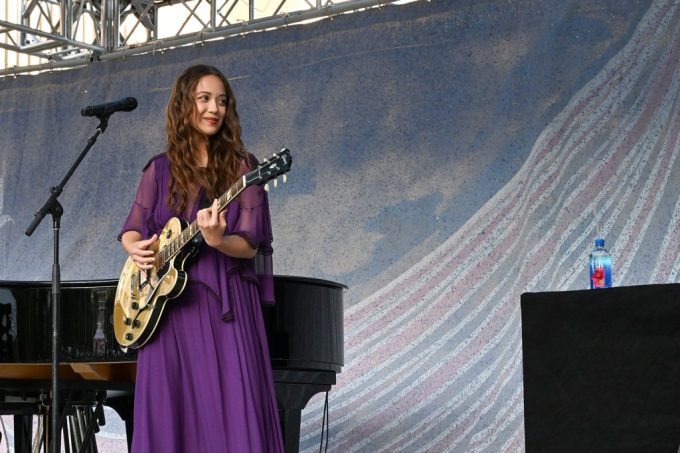
Laufey’s Opening Night Show at LA’s Crypto.com Arena: Best Moments
Laufey opened a two-night stand at Crypto.com Arena in downtown Los Angeles...
Chris Marks6 Mins read
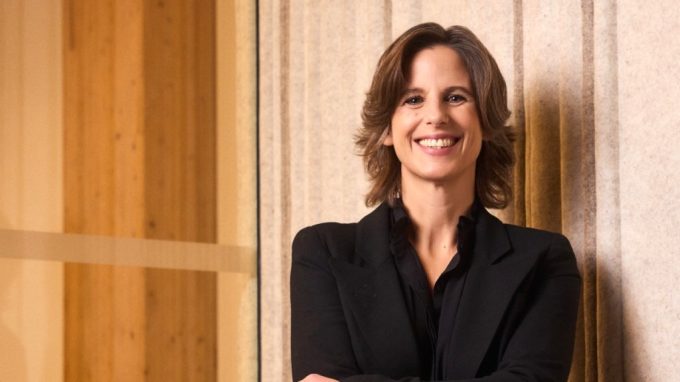
Julie Adam Is Billboard Canada Women in Music’s 2025 Exec of the Year
Julie Adam is having a milestone year — and it’s getting even...
Chris Marks4 Mins read

Spinal Tap Tribute Album with Foo Fighters,Tool for Teen Cancer America
Spinal Tap may be a fake band, but its music is very...
Chris Marks2 Mins read
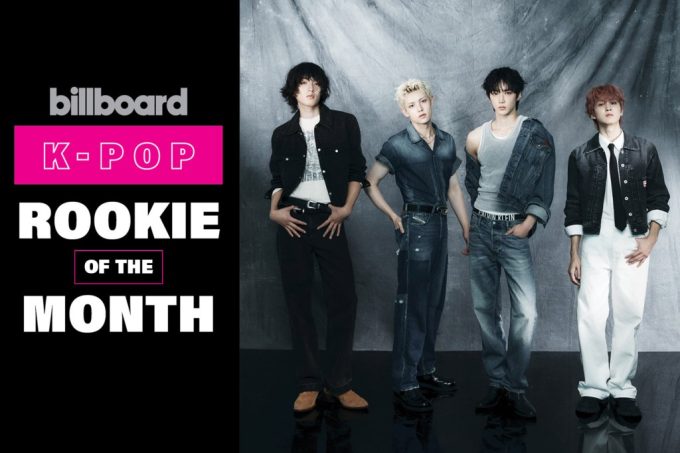
AxMxP Is K-Pop Rookie of the Month for September: Exclusive Photos
Ha Yoo Joon Image Credit: Chin Soyeon You debuted on Sept. 10....
Chris Marks2 Mins read





Leave a comment