

Billie Eilish, Reimagined for the Crib
A new lullaby album transforms Billie Eilish’s shadowy soundtracks into whispered nursery hymns. But is this soothing genius—or sonic sterilization?
 Chris MarksAugust 5, 20252 Mins read13
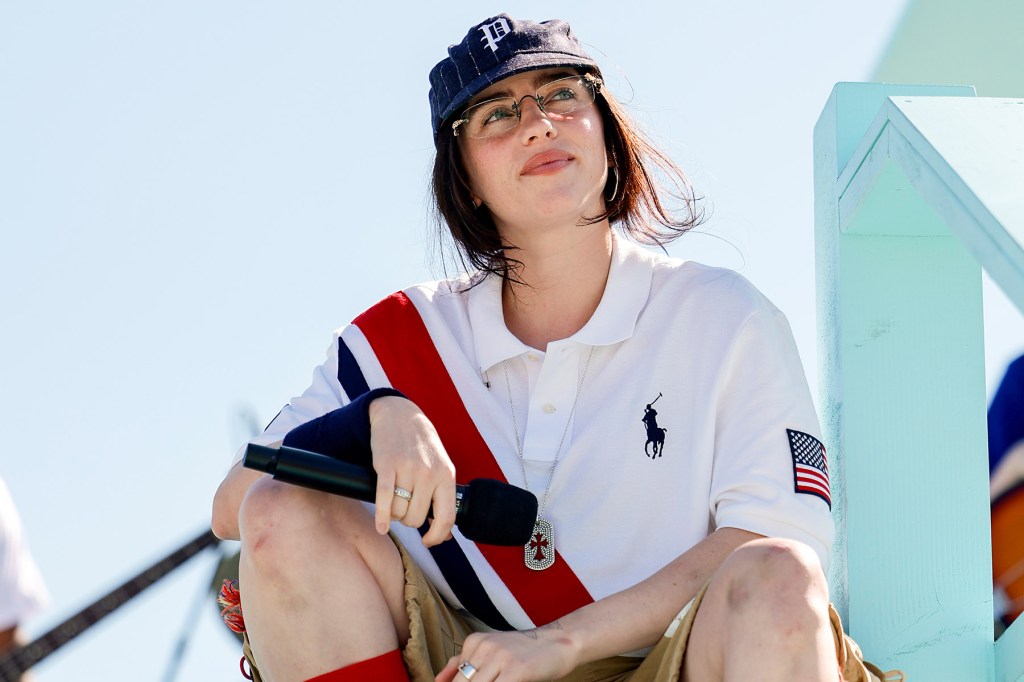
You’ve never really heard bury a friend until it’s been cooed at you by a xylophone. In the latest addition to the Rockabye Baby! series, Billie Eilish’s discography is transformed—stripped of its menace, anesthetized, and repackaged as ambient driftwood for toddlers. The haunting minimalism of when the party’s over is now a gentle music box dirge. The tension in bad guy has been softened into plush, percussive whimsy. What was once subversive is now… sleepy.
This is not merely about sound. It’s about cultural sedation. About turning Billie—the industry’s barefoot poet laureate of teenage anxiety—into white noise for a generation that hasn’t yet learned to speak. In this cradle-to-tour-bus reinterpretation, the message is clear: even rebellion can be swaddled.
From Whispered Confession to Sonic Pacifier
There’s an irony so rich here it nearly curdles: Billie Eilish, a voice born from whispered trauma and bedroom-produced dread, is now being used to lull infants to sleep. Not because it’s inappropriate—quite the opposite. It’s too appropriate. Her catalog already treads the line between lullaby and lament. But now that darkness has been defanged, and you’re left wondering—if melancholy becomes melody, does the meaning survive?
“Her music is already so intimate,” said one fan online, “so this kind of works… but it also kind of ruins it.” That contradiction feels key. Because what’s being adapted isn’t just music—it’s mood. And mood, for Eilish, was never decorative. It was the message. The whisper, the wobble, the shiver in her tone—all of it served to remind us that not all pain is loud. In lullaby form, it becomes pretty wallpaper. Tasteful. Soothing. Harmless.
The Nursery as a New Cultural Battleground
This isn’t the first time Rockabye Baby! has done this. Radiohead, Nirvana, and Kanye West have all been turned into soft-lit nursery fare. But with Billie, the transformation hits differently. She’s still of the moment. Still evolving. Still sacred to a generation too skeptical to buy into anything. To reinterpret her this soon, this quietly, feels like an early eulogy—an aesthetic embalming.
Yet perhaps this is Billie’s truest legacy: music that shapeshifts. She has always played both ghost and girl, pop star and shadow. Maybe lullabies are simply another version of that duality—haunting in their own right. Maybe the crib is just another venue.
Or maybe this is what happens to all revolutions in the end. They’re softened. Simplified. Set to sleep.
And somewhere, between the gentle plinks of a lullaby Ocean Eyes, a baby sighs, unaware that they’re dreaming to the soundtrack of someone else’s unraveling.






Laufey’s Opening Night Show at LA’s Crypto.com Arena: Best Moments
Laufey opened a two-night stand at Crypto.com Arena in downtown Los Angeles...
Chris Marks6 Mins read
Julie Adam Is Billboard Canada Women in Music’s 2025 Exec of the Year
Julie Adam is having a milestone year — and it’s getting even...
Chris Marks4 Mins read
Spinal Tap Tribute Album with Foo Fighters,Tool for Teen Cancer America
Spinal Tap may be a fake band, but its music is very...
Chris Marks2 Mins read
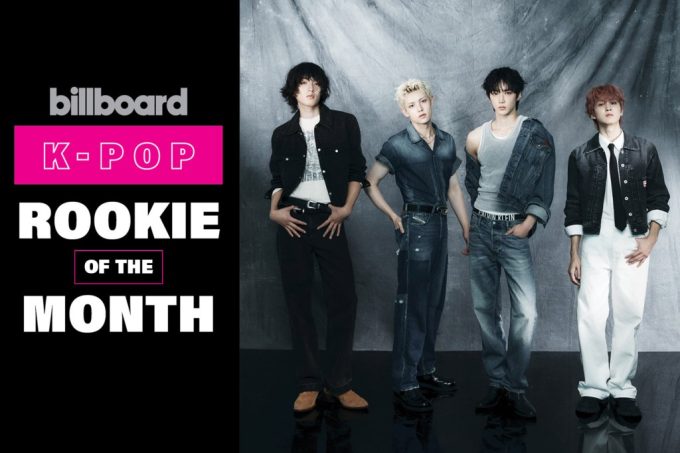
AxMxP Is K-Pop Rookie of the Month for September: Exclusive Photos
Ha Yoo Joon Image Credit: Chin Soyeon You debuted on Sept. 10....
Chris Marks2 Mins read





Leave a comment