

Blake Lively vs. Justin Baldoni: The Taylor Swift Allegations That Shook Hollywood
A courtroom drama escalates as Blake Lively fiercely denies Justin Baldoni's explosive claims involving Taylor Swift, igniting a media firestorm and casting shadows over Hollywood's elite.
 Krista FreelandMay 15, 20251 Mins read158
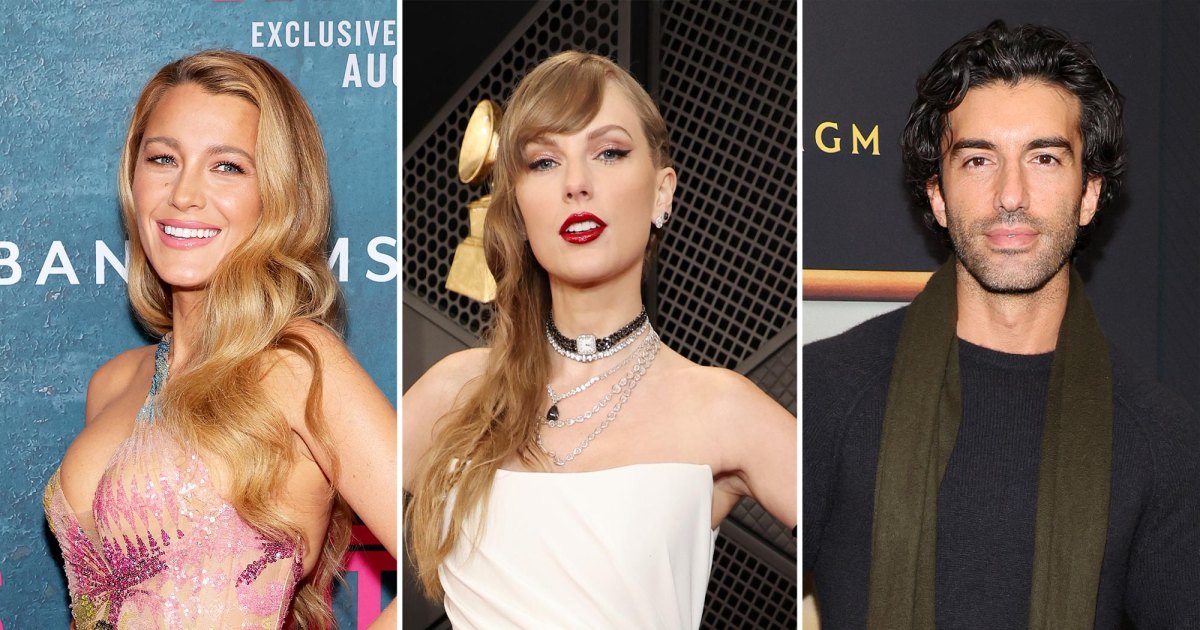
The courtroom buzzed with tension as Blake Lively stood poised, her gaze unwavering, while Justin Baldoni’s attorney, Bryan Freedman, leveled a bombshell accusation: Lively had allegedly pressured Taylor Swift into publicly supporting her amid their escalating legal battle.
The Allegation
Freedman claimed that Lively’s legal team had threatened to release private text messages between Lively and Swift unless Swift issued a public statement of support. These allegations, based on an anonymous source, painted a picture of coercion and manipulation.
The Denial
Lively’s attorney, Mark Gottlieb, swiftly dismissed these claims as “categorically false,” labeling them as defamatory and an abuse of the court’s process. The judge, Lewis J. Liman, agreed, striking the allegations from the record, citing their irrelevance and improper nature.
The Fallout
While Lively’s legal team celebrated the court’s decision, the damage to reputations lingered. Taylor Swift, who had been subpoenaed in the case, found herself at the center of a media storm. Her legal representatives emphasized her minimal involvement in the film and criticized the exploitation of her name for publicity.
The Bigger Picture
This legal drama underscores the complexities of celebrity relationships and the blurred lines between personal and professional lives. As the trial approaches, questions abound: What motivated these explosive allegations? How will this affect the careers of those involved? And perhaps most intriguingly, what role does the ever-present influence of social media play in shaping public perception?
In the end, the courtroom may have cleared the air, but the whispers of Hollywood’s elite continue to echo, leaving us to wonder: In a world where image is everything, how much of the truth remains hidden beneath the surface?







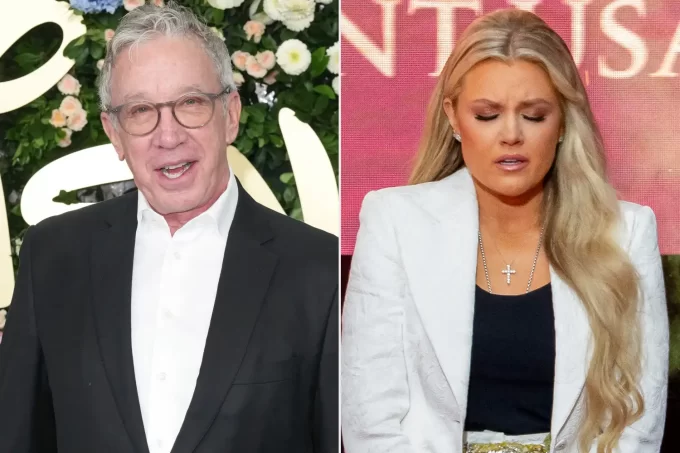
When Mercy Meets Tragedy: The Widow Who Forgave Her Husband’s Killer
The air thickens when forgiveness enters a room meant for grief. Imagine...
 Chris Marks1 Mins read
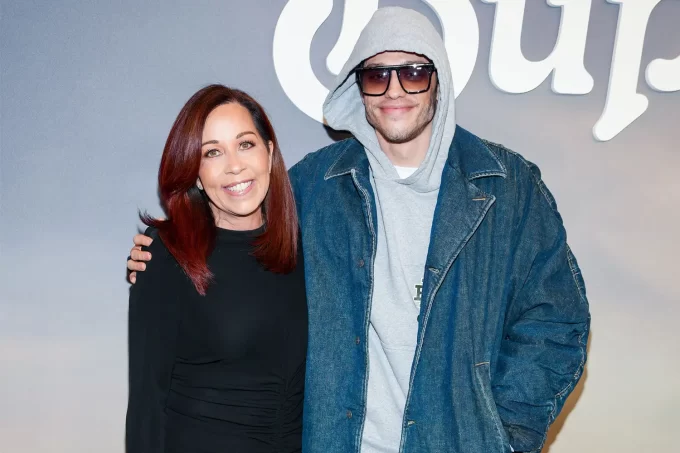
When Fear Became a Lifeline: Pete Davidson’s Reckoning in Rehab
There’s a silence that follows a mother’s voice when she confesses her...
 Joseph Bennett1 Mins read
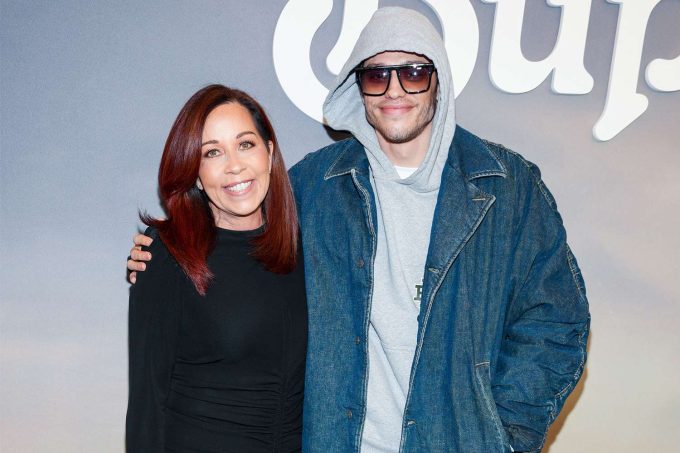
Pete Davidson’s mom told him in rehab worst fear was learning he died
Pete Davidson is opening up about the heartbreaking moment he had with...
Chris Marks2 Mins read

Katie Couric’s Unexpected Spin on Sydney Sweeney’s American Eagle Ad: What’s Really Being Said?
Katie Couric stepping into a scene dominated by Gen Z glamour feels...
Krista Freeland2 Mins read





Leave a comment