

Why Nathan Fillion’s Headpool Could Rewrite Deadpool’s Wildest Chapters
Nathan Fillion teases a tantalizing glimpse into the chaotic multiverse of Deadpool, Headpool, and Wolverine—revealing layers of Hollywood’s secret dance with comic book madness that we never saw coming. But what does this mean for the future of our beloved antiheroes?
 Chris MarksJuly 14, 20252 Mins read21
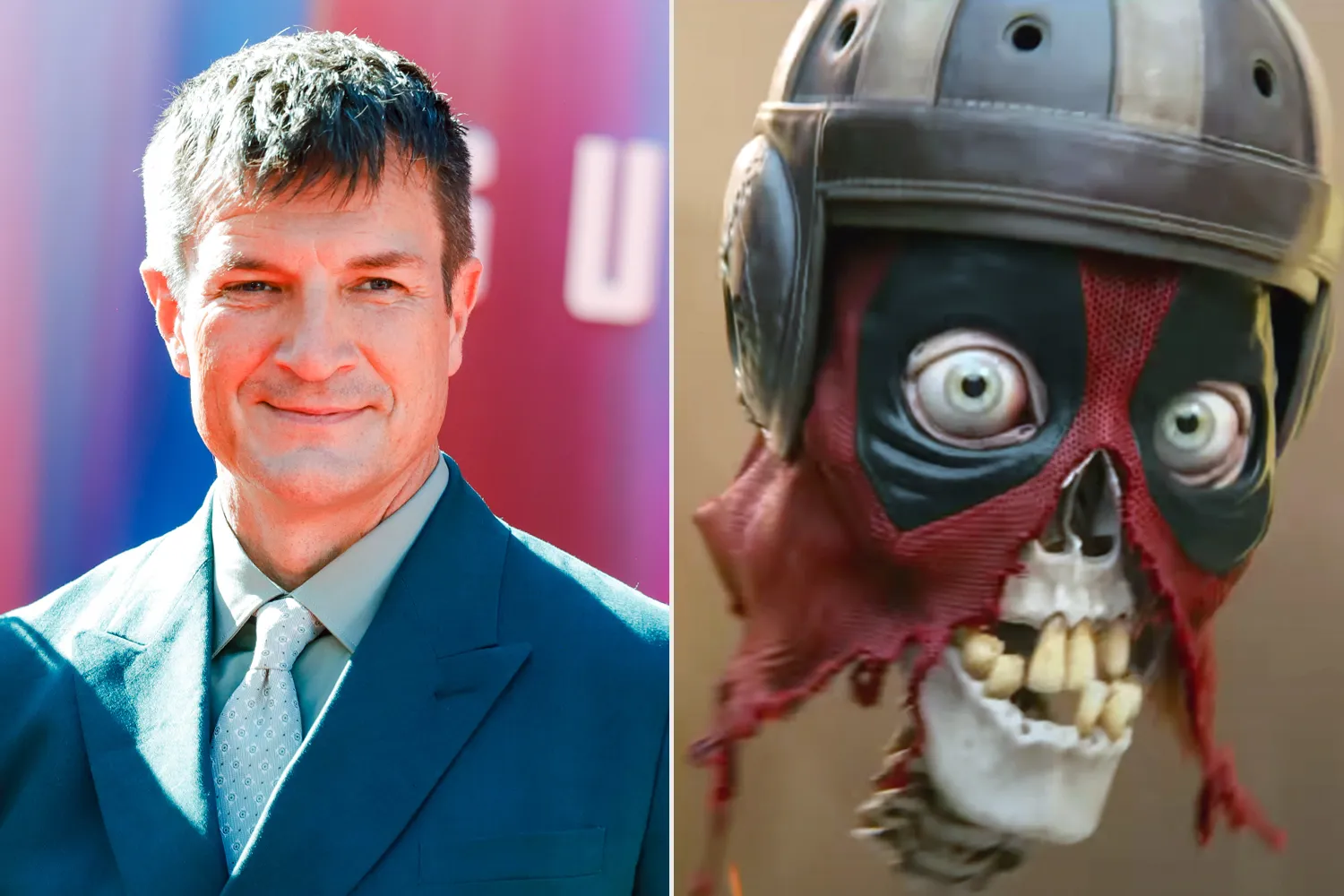
There’s a wild echo behind the curtain of Marvel’s cinematic playground, and Nathan Fillion’s Headpool might just be the key to unlocking it. It’s more than a cameo rumor or a casting footnote—this is a glimpse into a multiverse that’s been quietly rehearsing chaos behind the scenes. Why has Hollywood dangled these comic book fragments like breadcrumbs, inviting us to chase what might never fully materialize? The answer isn’t just about characters or franchises—it’s about the fractures in storytelling itself.
Consider this: multiple attempts to resurrect Deadpool, whispers of Wolverine’s shadow stretching further, and Fillion, who has long hovered at the edges of Marvel lore, stepping into a role that feels like a playful rebellion. “It’s not just about the roles,” Fillion hinted, “it’s about the possibilities that spin out when you mix them up.” What could these “possibilities” mean for a universe obsessed with control and continuity?
The Marvel Game of Shadows
Headpool isn’t your average antihero—it’s the zombified mirror, a chaotic reflection of Deadpool’s anarchic spirit. Fillion’s association with this twisted version complicates the neat narratives Marvel has worked so hard to build. When a familiar face embodies the uncanny, what lines blur between hero, villain, and meta-commentator? And how does this inform the sprawling saga of Wolverine’s uneasy coexistence with Deadpool?
The tantalizing notion of “multiple Deadpool attempts” hints at a creative process far messier and more fascinating than the polished product on screen. Could these failed experiments and alternate versions represent a deeper tension within the franchise—a tension between artistic impulse and corporate mandate?
When Meta Becomes Reality
Nathan Fillion, a name synonymous with cult fandom and charismatic irreverence, embodies something greater than just a character: he becomes a symbol of what Deadpool’s world threatens to unleash—chaos wrapped in charm, unpredictability wielded like a weapon. As Fillion puts it, “You don’t just play these roles, you live inside their contradictions.” And isn’t that what Deadpool, Headpool, and Wolverine have always been about? Living contradictions that refuse to be tamed.
What remains to be seen is how much of this playful subversion will surface in the next wave of Marvel storytelling. Will we finally see these fractured narratives converge? Or will they dissolve back into whispers and “what ifs”?
The multiverse is not just a concept—it’s a conversation, a series of provocations whispered through characters like Headpool and voices like Nathan Fillion’s. Maybe the greatest mystery isn’t who will wear the mask next, but what the mask itself is willing to reveal when we least expect it.






Where Is Liam Conejo Ramos Now? Updates on 5-Year-Old’s ICE Detainment – Hollywood Life
Image Credit: Getty Images Liam Conejo Ramos came home from preschool while...
 Kirsten Collins2 Mins read

Who Is Harry Styles’ ‘Aperture’ About? Breakdown of the Lyrics – Hollywood Life
View gallery Image Credit: Getty Images We’ve doing doing all this late...
Kirsten Collins1 Mins read
When Are the Oscars 2026? Date of the Academy Awards – Hollywood Life
Image Credit: AFP via Getty Images The Oscars are officially on the...
Kirsten Collins1 Mins read
Ticket Prices & Presale Details – Hollywood Life
View gallery Image Credit: Dave J. Hogan/Getty Images Harry Styles is embarking...
Kirsten Collins2 Mins read




Leave a comment