

The Shadow Over Bolivar: What Does a Doping Scandal Mean for the Future of Football?
Bolívar's promising star, Vaca, has been suspended after a failed doping test. But in the murky world of professional sports, could this just be the tip of the iceberg?
 Krista FreelandMay 14, 20252 Mins read23

A failed doping test, a promising career derailed—this is the story of Bolívar’s star midfielder, Vaca, whose dream of international stardom may have just come to an abrupt halt. But is this really a simple case of a player who got caught, or does it reflect a far deeper issue festering within the world of football? The reverberations of his provisional suspension stretch far beyond the confines of Bolivia’s top-tier clubs, hinting at a much larger dilemma.
The Line Between Victory and Deception
The scandal itself isn’t new, nor is it shocking. Doping has long been the uninvited guest in professional sports, its presence hovering just beneath the surface. What makes Vaca’s case particularly unsettling, however, is the weight of his promise. A player once celebrated for his technical brilliance and tactical intelligence now faces the darkness of tarnished credibility. For Bolívar, this feels like more than just a personal failure—it’s an indictment of a system that increasingly seems to prioritize victory over virtue.
In the wake of this news, the sports world’s response has been swift but scattered. “We’ll investigate thoroughly,” the club has stated, and yet the silence of the authorities speaks louder than any carefully crafted press release. What really happens when a star athlete gets caught? Is the punishment sufficient, or does it offer a convenient scapegoat for a deeper-rooted problem in the game? As Vaca’s suspension unravels, one must ask: Is this merely an isolated mistake, or a reflection of a more pervasive culture of shortcuts in the pursuit of glory?
The Deeper Questions
Vaca’s case brings to the forefront a broader issue within the sport. At what point does the pursuit of excellence in football become the pursuit of artificial excellence? With the pressure to perform escalating every season, is doping becoming a silent, but crucial, tool for players trying to keep up with the ever-rising bar? And how deep does the complicity run? Vaca might be the one facing the music today, but how many others are playing the same risky game under the radar?
There’s a chilling reality here: football is no longer just about natural talent. It’s about who can last the longest, push the hardest, and defy the limits of their body in ways that might have been considered unimaginable a few decades ago. Doping, once an outlier, is now a whispered norm, especially in leagues where financial pressures are at their peak. It’s not just about getting through a season—it’s about ensuring that every player stays a step ahead, even if that step comes at the cost of integrity.
Beyond the Test Results
Bolívar’s footballing future is now cast in uncertainty, and Vaca’s career hangs by a thread. But if we’re honest, isn’t his case just a microcosm of the battles professional athletes fight every day? The temptation to break the rules isn’t just about cheating—it’s about survival in a system that demands excellence at any cost.
We must ask ourselves: What does this mean for the future of football? If a star player from a relatively small club like Bolívar can fall victim to the shadows of doping, what does that say about the bigger leagues, the ones where the stakes are exponentially higher? Could this be the moment where we finally confront the dark underbelly of professional sports?
As Vaca faces the consequences of his actions, one question remains lingering in the air: Will this be a turning point, a wake-up call for the sport, or simply another chapter in the ever-expanding story of football’s moral decline? The answer may not be as simple as it seems, and perhaps that’s the most unsettling thought of all.





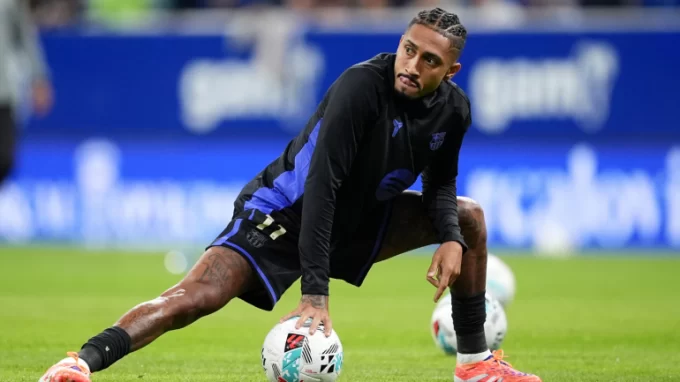
Barcelona’s Fragile Pursuit: When Injuries Threaten More Than Just a Season
A silence spreads over Camp Nou that no roar can drown out—two...
 Chris Marks2 Mins read
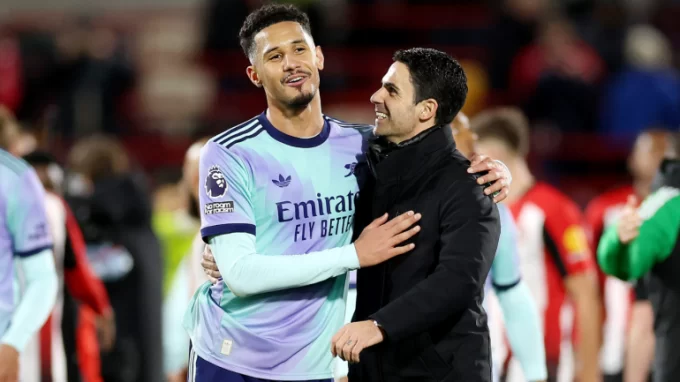
William Saliba: Arsenal’s Silent Architect or Its Greatest Gamble?
The air inside the Emirates shifts with unspoken tension—William Saliba, once a...
 Joseph Bennett2 Mins read
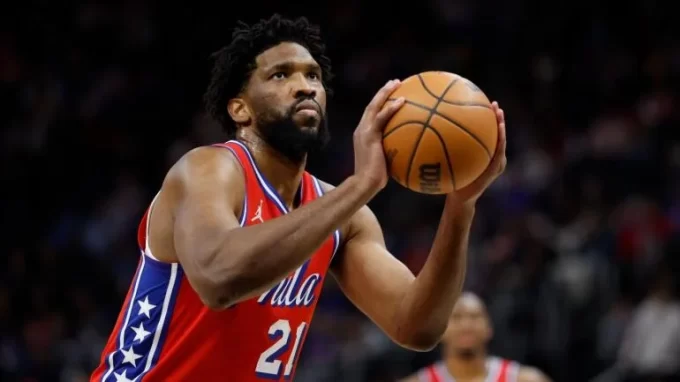
Joel Embiid’s Quiet Confidence: Is the 76ers’ Giant Ready to Rewrite His Story?
Joel Embiid is rarely one to make noise without purpose, and now,...
 Kirsten Collins1 Mins read
Juventus, Atalanta, and Arsenal’s Quiet Revolution: What’s Really Shaping This Week in Football?
The roar of Serie A stadiums masks a subtle shift, one that...
Kirsten Collins2 Mins read





Leave a comment