

Where the First Cry Echoes: Books That Dare to Speak of Birth and Power
This World Health Day, the stories worth reading don’t come with soft lighting and lullabies—they come blood-soaked, voice-first, and heavy with the weight of maternal truth. Because birth is not just biology—it’s politics.
 Chris MarksApril 7, 20252 Mins read35
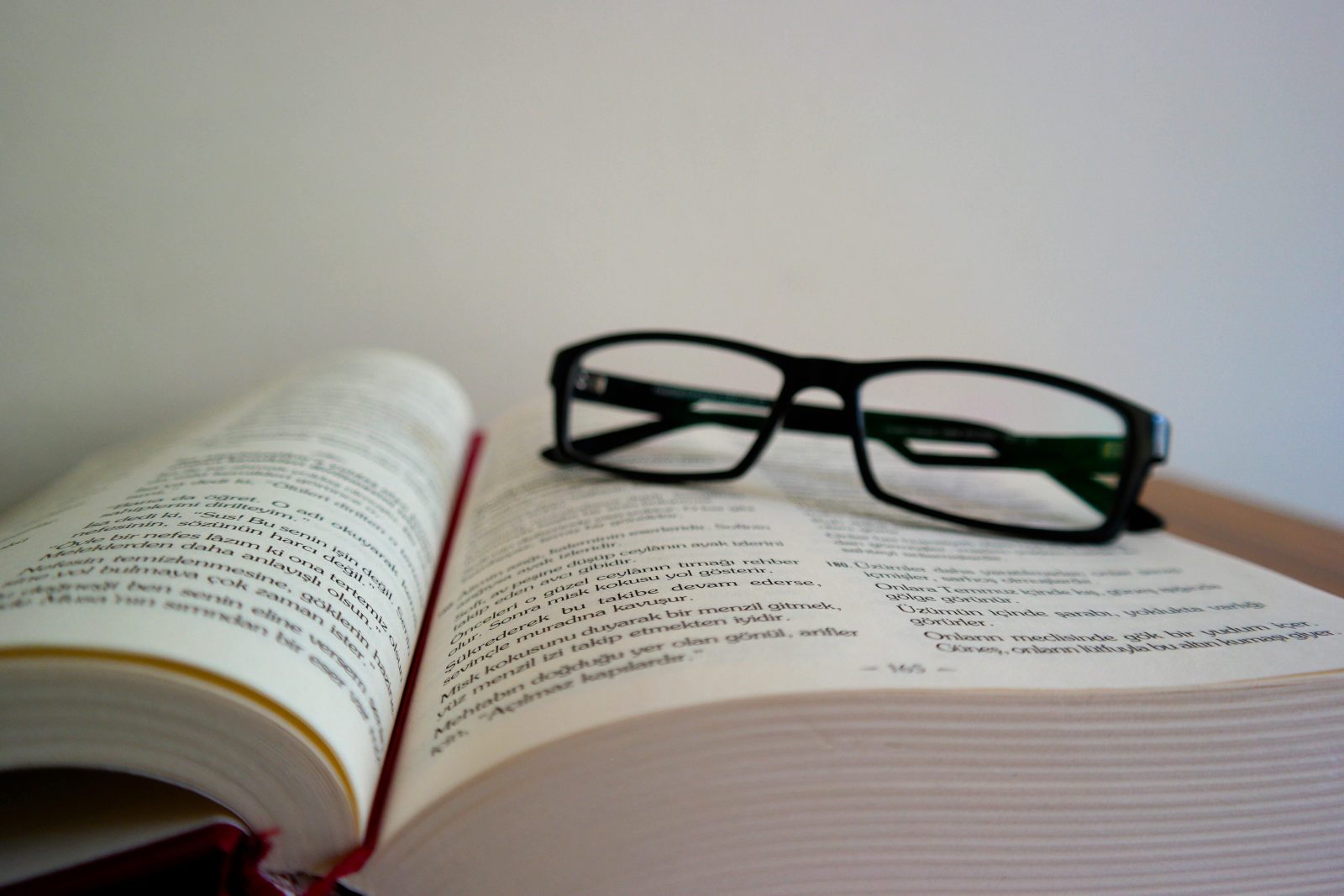
She screamed into the quiet of a sterile room, and no one called it protest.
The act of birth has always carried the sheen of sentimentality—pink blankets, white curtains, and the quiet suggestion that something holy has occurred. But the books that matter—the ones that should be passed from hand to hand like contraband—know better. They know that maternal health is not an accessory to medicine. It is medicine. That motherhood is not a soft science. It’s a system. A battlefield. A question that still hasn’t been answered correctly by much of the world.
On this World Health Day, we are invited to read—but not passively. These are not bedtime stories. These are war reports written in lullabies. From memoirs that trace the brutal elegance of C-section scars to global dispatches from villages where midwives deliver babies by flashlight, the message is sharp: maternal and newborn health is not a gentle topic. It’s a justice issue dressed in white coats.
The Body as a Blueprint for Power
The most stirring titles—The First Forty Days, Expecting Better, Invisible Women—don’t attempt to resolve the chaos. They magnify it. And in doing so, they reclaim something quietly stolen: female agency.
Because what happens to a body in labor is more than physiological. It’s metaphysical. Political. To be pregnant in a world that still debates your autonomy is to become, paradoxically, both sacred and silenced. “Every contraction felt like a conversation I wasn’t invited to,” one author writes, folding experience into metaphor with surgical precision.
These books don’t tell you what to expect when you’re expecting. They tell you what not to accept—especially from systems designed to fail those without insurance, without access, without ancestry that fits the mold of default care. From Nairobi to New Orleans, the thread is the same: who gets to survive birth, and who gets forgotten?
Beyond the Womb, Into the World
There is something uncomfortably powerful about reading these works during a global health reckoning. It forces you to consider the infant mortality rate alongside the bestseller list. To ask why we still have more apps for ovulation than for postpartum depression. Why maternal death remains one of the most preventable tragedies—and still, one of the most normalized.
These authors are not just mothers. They are architects. Rebels. Chroniclers. Some write with poetic restraint. Others wield sentences like scalpels. But all ask the same thing: Do you see us now? And if not, when will you?
So perhaps the real story isn’t just how we bring life into the world—but how much we’re willing to risk losing to do so. And who gets to write about it before their ink runs out.




When “107 Days” Meets Outcry: Harris’s Book Tour Interrupted
The microphone crackled to life, and before Harris could finish her opening...
Chris Marks1 Mins read
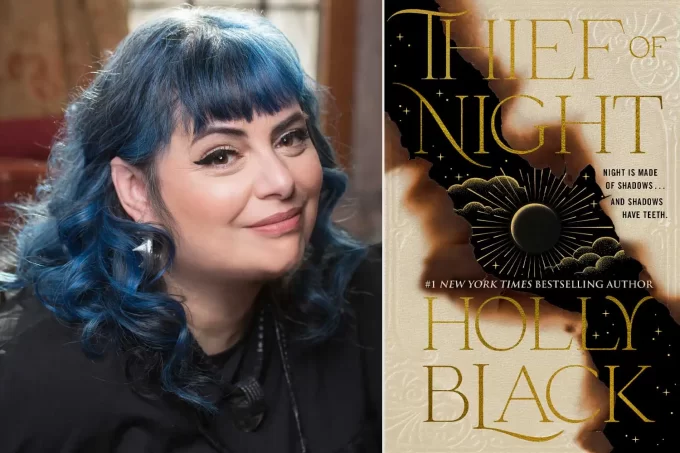
Whispers in the Shadows: Why Holly Black’s Sequel Is a Dark Invitation We Can’t Ignore
The night isn’t just dark—it’s ravenous, greedy, and it’s coming for you....
Chris Marks2 Mins read
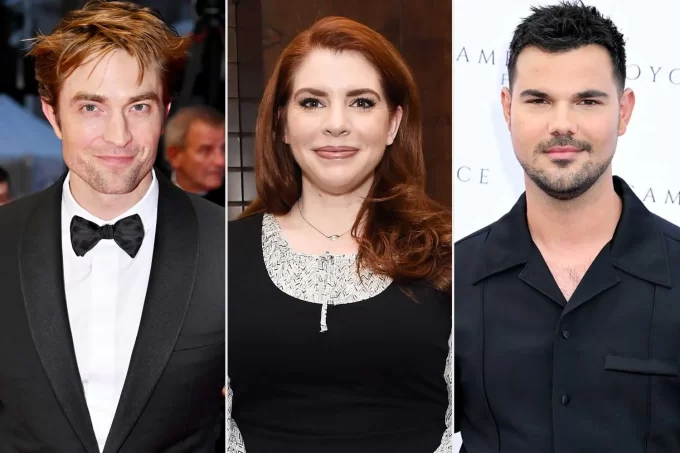
Why Stephenie Meyer’s Regret About Edward Changes Everything You Thought You Knew
The moment Stephenie Meyer admitted she wouldn’t pick Edward Cullen today, a...
Chris Marks2 Mins read
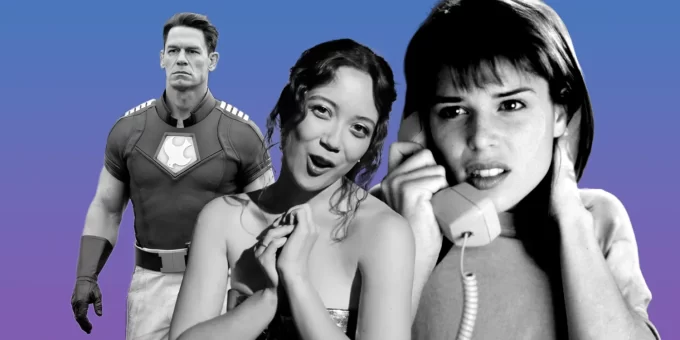
When Fear, Fury & Feathers Collide: Cinema, Superheroes, and a Confessional Album
Open with tension—the kind that threads through a scream, a reveal, and...
Chris Marks2 Mins read





Leave a comment