

The House on King Road and the Silence That Screams
As the father of Kaylee Goncalves pleads for answers, the veneer of justice in the Idaho college murder case grows ever thinner. What happens when grief becomes sharper than the system meant to soothe it?
 Chris MarksAugust 7, 20252 Mins read31
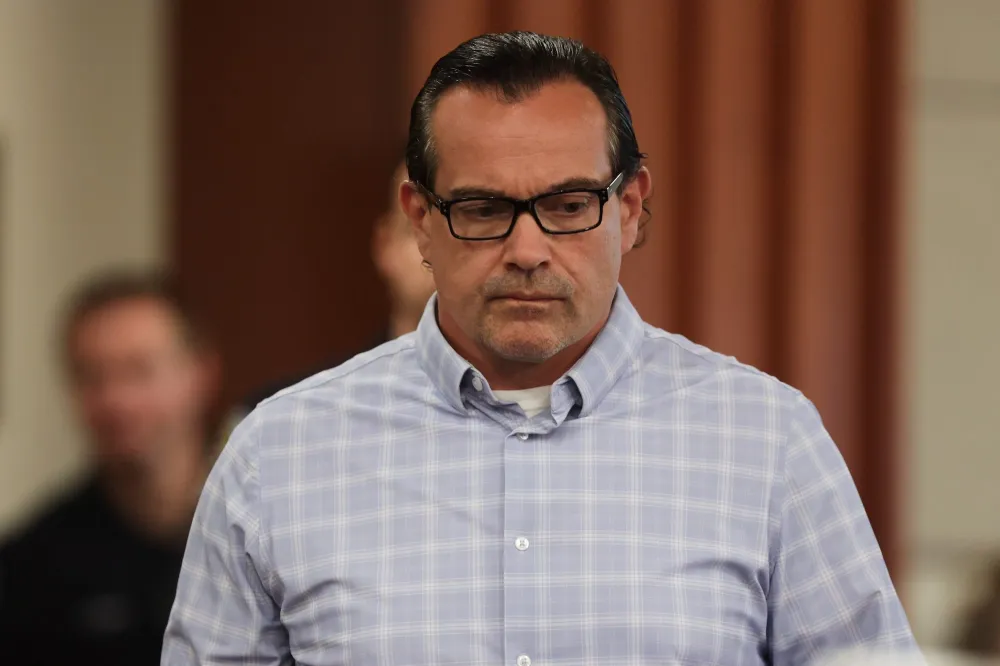
It was the kind of crime that doesn’t just break a town—it punctures the national psyche. Four college students in their beds, in a house whose lights are still seared into TikTok videos, found brutally murdered. Nearly three years later, the air around 1122 King Road remains as thick and heavy as the day the police tape first fluttered in the Idaho wind. And now, Kaylee Goncalves’ father is speaking louder than the justice system ever has.
Steve Goncalves has become something of an unwilling icon—half grieving parent, half public watchdog. His voice, trembling with rage and clarity, cuts through the static of courtroom procedure and prosecutorial precision. “We want to get this case right,” he told reporters recently, “but we also want it to be real. Not theater.” But is that what this has become? A theater of justice, set in the American Northwest, with a nation binge-watching every procedural act like a prestige crime drama.
The Algorithm of Outrage, The Quiet of Truth
The suspect, Bryan Kohberger, with his criminology degree and ghost-white stare, was meant to be the final piece in a terrifying puzzle. But instead, he’s become a symbol of how clarity can decay in the spotlight. Delays. Mistrust. Defense posturing. It’s a case that now runs on two rails: the legal one, with its lumbering pace, and the emotional one, powered by public opinion, TikTok “investigators,” and families like the Goncalveses—who are done waiting politely.
In a post-verdict America, where even closure feels performative, one wonders what justice actually means. Is it about a courtroom verdict—or the public’s satisfaction? In Kaylee’s case, it’s becoming hard to tell where truth ends and narrative begins. The father isn’t just asking for justice. He’s asking for the full story. And no one seems able—or willing—to give it.
Where the Light Should Be, There’s a Door Still Closed
Even now, the house has been demolished. But people still stop. They film. They speculate. And the case breathes on social media with the obsessive fervor of myth. The Goncalves family has been left in a surreal limbo: both central and peripheral, quoted and dismissed, present and ignored. They’re living inside a paradox. The more they demand clarity, the murkier the picture becomes.
But what if that murkiness is the point? We’ve built a culture where mystery seduces more than resolution. Justice, in its cleanest form, is unsatisfying. It doesn’t trend. It doesn’t haunt. And so the families are made to perform their grief again and again—on camera, in court, in press conferences—until the story becomes bigger than the truth ever could be.
And maybe that’s the quietest horror of all: when the scream for justice becomes background noise in a country that no longer listens unless there’s a plot twist.
Because beneath all the speculation and suspicion, one thing remains uncomfortably certain: the light has gone out in that house, and no one—no judge, no jury, no news anchor—has managed to turn it back on.







When Mercy Meets Tragedy: The Widow Who Forgave Her Husband’s Killer
The air thickens when forgiveness enters a room meant for grief. Imagine...
Chris Marks1 Mins read

When Fear Became a Lifeline: Pete Davidson’s Reckoning in Rehab
There’s a silence that follows a mother’s voice when she confesses her...
 Joseph Bennett1 Mins read

Pete Davidson’s mom told him in rehab worst fear was learning he died
Pete Davidson is opening up about the heartbreaking moment he had with...
Chris Marks2 Mins read

Katie Couric’s Unexpected Spin on Sydney Sweeney’s American Eagle Ad: What’s Really Being Said?
Katie Couric stepping into a scene dominated by Gen Z glamour feels...
 Krista Freeland2 Mins read



Leave a comment