

The Vanishing Act: When Stars Fade Before the Credits Roll
What does it mean when a rising star disappears from the frame? The edit suite has become Hollywood’s most ruthless casting agent—and no one is safe.
 Kirsten CollinsAugust 7, 20252 Mins read15

They don’t tell you at drama school that your big break might end up on the cutting room floor.
You might’ve slipped into the perfect dress, lit by moonlight or paparazzi flashes, only to watch the film’s premiere and find your entire arc reduced to a passing glance or—worse—obliterated entirely. Gone. As though you were never there. Simone Ashley is only the latest name in a quiet tradition of vanishing stars—cut from blockbusters, erased from franchises, and ghosted by the industry that once hyped them.
It isn’t always personal, they say. But in a business where image is oxygen, the act of erasure is far more telling than the reasons given. Sometimes it’s “narrative pacing,” sometimes “creative direction,” and sometimes—let’s not pretend otherwise—it’s the politics of power, race, or relevance. Being cut from a film doesn’t just shift a storyline. It reshapes careers. And in a landscape obsessed with visibility, invisibility has become the ultimate slight.
A Studio System That Still Whispers “Too Much”
There is something particularly brutal in the idea that stardom can be reversed mid-process. You’re cast, you film, you celebrate. And then, in a dark studio suite in Burbank or Soho, someone decides: not her. Not now. It’s rarely the actor who fails—it’s the version of the actor that doesn’t test well, doesn’t fit the marketing deck, or doesn’t align with the invisible pulse of what sells.
It’s happened to big names—Uma Thurman, Kevin Costner, Terrence Malick’s cast lists are famously graveyards of ghost performances. More recently, Ashley’s absence from “The Little Mermaid” sparked quiet buzz: a rising star fresh off Bridgerton, playing one of the sisters…and then, suddenly, not playing anything at all. The implication wasn’t loud, but it was deafening.
One agent, who asked to remain unnamed, said it best: “There are no small parts, only the parts they don’t let you keep.”
When the Scene You Nailed Never Airs
The deeper truth? These cuts aren’t just technical. They’re emotional amputations. Actors aren’t technicians—they build inner lives for characters who may never be born. And when that’s taken away, there’s no funeral, no goodbye, just a void. You sit through the film, wait for your entrance, and realize it’s been quietly revoked.
The audience never sees the discomfort, the rewriting, the sudden shift in tone that led to your erasure. But the industry sees. Being cut whispers that something went wrong, even if nothing did. It raises questions you can’t answer, reopens doors you thought were sealed shut.
And yet, the strangest twist is this: sometimes being cut is the beginning, not the end. Cult fascination forms around those deleted scenes. Rumors surface. Directors mention your brilliance in interviews. The myth of what could have been becomes more powerful than what was. In some cases, absence becomes its own kind of fame.
So maybe the real question isn’t why you were cut—but what your absence now signifies.




When Mercy Meets Tragedy: The Widow Who Forgave Her Husband’s Killer
The air thickens when forgiveness enters a room meant for grief. Imagine...
 Chris Marks1 Mins read

When Fear Became a Lifeline: Pete Davidson’s Reckoning in Rehab
There’s a silence that follows a mother’s voice when she confesses her...
 Joseph Bennett1 Mins read
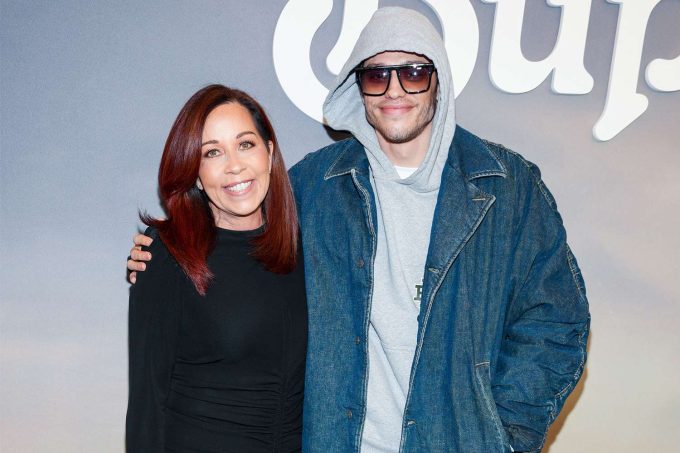
Pete Davidson’s mom told him in rehab worst fear was learning he died
Pete Davidson is opening up about the heartbreaking moment he had with...
Chris Marks2 Mins read
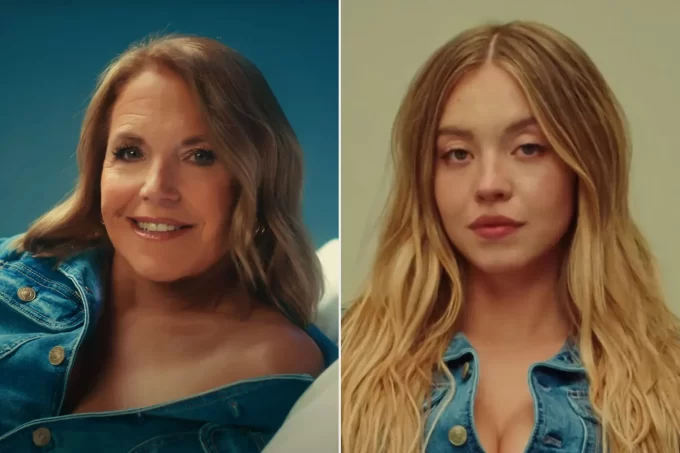
Katie Couric’s Unexpected Spin on Sydney Sweeney’s American Eagle Ad: What’s Really Being Said?
Katie Couric stepping into a scene dominated by Gen Z glamour feels...
 Krista Freeland2 Mins read





Leave a comment