

A Horse, a Nipple, and the Raw Truth of The Mummy’s Set
At a recent reunion panel, Brendan Fraser let loose a story so bizarre it demands a double-take: his The Mummy co-star John Hannah was bitten on the nipple by a horse—an incident wrapped in mischief, milieu, and unexpected gravity.
 Chris MarksAugust 22, 20251 Mins read19

Frank Trapper/Corbis via Getty
The spotlight gleamed in the Fan Expo auditorium, but what still reverberates isn’t star power—it’s a stray hoof. Brendan Fraser, recalling The Mummy shoot, asked: “Remember the time John got bit in the nipple by a horse?” A pause filled the room. That a moment so absurd could be true—yet it was—cracks the illusion of Hollywood glamor with unrestrained humanity.
That image—a costar laid bare, bitten unexpectedly—isn’t just comic relief. It dismantles our ideas of heroic filmmaking and invites us to revisit the raw edges beneath cinematic gloss.
When Comedy Reveals Truth
John Hannah didn’t shy from the punchline. “I think I was smoking a lot of weed,” he confessed, as laughter rippled through the audience. But beneath the joke lurks the truth of a set defined by chaos: sandstorms, scorpions, a volcano set, rampant diarrhea afflicting the cast like a shared curse. These weren’t staged shocks—they were lived, intimate moments of vulnerability.
In that shared laughter, the absurd became a confession. And it wasn’t just about injury—it was survival, camaraderie, the quiet solidarity of people pushing through discomfort to create something timeless.
Mythmaking in the Desert
The Mummy remains iconic, its legend built on spectacle and bravado. But these wild behind‑the‑scenes stories reveal another layer—one shaped by grit, humor, and the unexpected. Brendan’s memory of the horse bite isn’t a distraction—it’s a reframing of the story, a reminder that mythmaking often involves blood, sand, and a half-sober costar unwittingly gifting posterity with the strangest anecdote.
And perhaps that’s the real magic of cinema—not just the polished final cut, but the jagged, human moments buried beneath, waiting to be unearthed with a single, unforgettable recall.







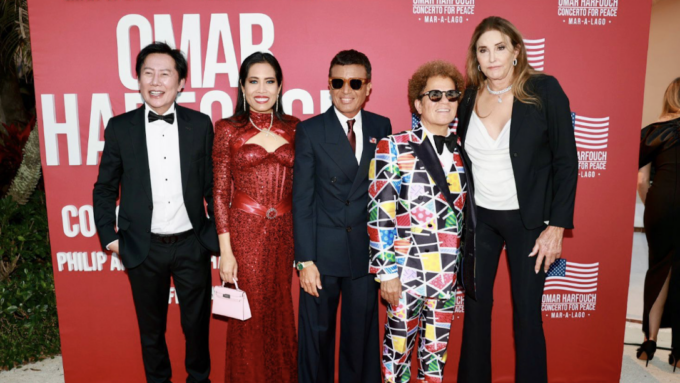
Pianist Omar Harfouch Brings Celebrated Figures Together for a Night of Cultural Exchange – Hollywood Life
Image Credit: Omar Harfouch On February 20, 2026, pianist and cultural figure...
 Kirsten Collins2 Mins read
Who Is Ivana Lisette Ortiz? About the Rihanna Home Shooting Suspect – Hollywood Life
Image Credit: WWD via Getty Images The suspect in the March 8,...
Kirsten Collins1 Mins read
How Much Money Does She Have Now? – Hollywood Life
Image Credit: WWD via Getty Images Rihanna may be known as one...
Kirsten Collins2 Mins read
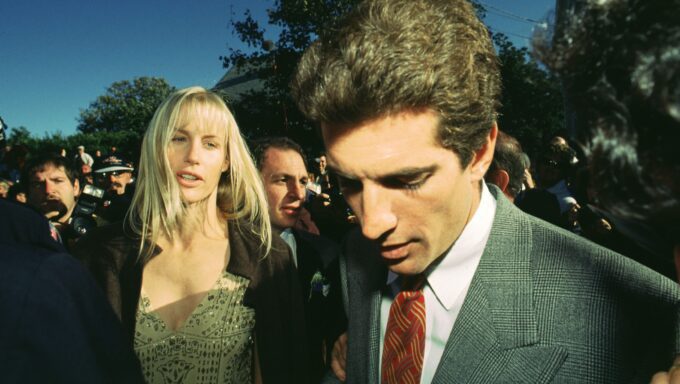
Stars Who Slammed ‘Love Story: JFK Jr. & Carolyn Bessette’: Statements – Hollywood Life
Image Credit: Getty Images FX’s Love Story: John F. Kennedy Jr. and...
Kirsten Collins2 Mins read





Leave a comment