

Brian Eno’s Digital Reckoning: Music, Memory, and the Machinery of Power
Decades after composing music for Microsoft, Brian Eno has turned against the tech titan—calling out its ties to Israel in a bold, politically charged statement. But is this reckoning too late—or just in time?
 Kirsten CollinsMay 21, 20252 Mins read70

Brian Eno, the godfather of ambient music, once lent his creative genius to the world’s most ubiquitous tech company. His composition welcomed millions of users into the sterile glow of Microsoft Windows—an electronic lullaby for a digital age. But now, in a sharply different key, he wants nothing to do with them.
Eno has condemned Microsoft’s alleged ties to the Israeli government, reigniting a decades-old relationship with a startling reversal. This isn’t just a protest. It’s a reckoning—one that asks how long art can stay apolitical before it turns complicit. Why now? Why speak out after all this time? And what does it mean when a sound meant to soothe now haunts the conscience of its creator?
Echoes from a Machine He Helped Build
Eno’s criticism arrives with a quiet violence, the kind that doesn’t shout but instead unsettles. The irony is rich and unmistakable: a man whose sounds once defined the calming identity of a tech empire now renounces it over blood, politics, and global complicity. “I can no longer ignore where the money flows,” he said recently, with the weight of a man not just condemning a corporation, but confronting his own legacy.
The Microsoft startup sound—a mere few seconds of melody—is etched into the memory of millions. It played each morning like a secular hymn to progress. But now that same sound has a darker echo. Eno’s act isn’t only political; it’s existential. In calling out Microsoft’s alleged partnerships with Israeli institutions involved in the Gaza conflict, he’s peeling back the skin of an industry that prefers to remain faceless. It forces us to ask: Can we ever separate the aesthetics of innovation from the ethics behind it?
When a Soundtrack Becomes a Scream
The tech world is quick to co-opt creativity, slower to acknowledge consequences. In a time when companies masquerade as moral actors, Eno’s voice is a rare act of refusal. He is not canceling himself—he’s complicating the narrative. The ambient composer, once a passive architect of the digital dream, has become its loudest dissenter.
What’s more unsettling: the fact that his music still greets millions every day, or that most have no idea it was composed by a man now condemning the very institutions it represents? There’s a tension here between sound and silence, art and accountability. The same technology that once seemed a portal to possibility is now, in Eno’s view, entangled in violence. And yet, it plays on.
It’s not just about Israel. It’s about a broader awakening—one that asks what responsibility creatives bear when their work is tied to power. Can music be innocent if it’s licensed by the morally ambiguous? Is the artist still in control once the check is cashed, the tune deployed, the brand global?
We rarely think about the ambient soundtrack of our lives. But now, perhaps, we should. Because what Eno has gifted us in this moment isn’t another melody—but a dissonance. One that forces us to ask whether the things we hear every day are meant to soothe—or distract us from the things we’ve stopped seeing.
And if even the man who once whispered peace into our machines is now raising his voice—what does that say about the noise we’ve learned to ignore?







Laufey’s Opening Night Show at LA’s Crypto.com Arena: Best Moments
Laufey opened a two-night stand at Crypto.com Arena in downtown Los Angeles...
 Chris Marks6 Mins read
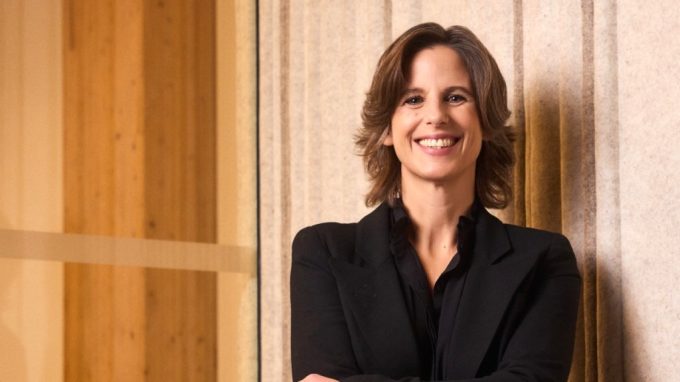
Julie Adam Is Billboard Canada Women in Music’s 2025 Exec of the Year
Julie Adam is having a milestone year — and it’s getting even...
Chris Marks4 Mins read

Spinal Tap Tribute Album with Foo Fighters,Tool for Teen Cancer America
Spinal Tap may be a fake band, but its music is very...
Chris Marks2 Mins read

AxMxP Is K-Pop Rookie of the Month for September: Exclusive Photos
Ha Yoo Joon Image Credit: Chin Soyeon You debuted on Sept. 10....
Chris Marks2 Mins read





Leave a comment