

The Soundtrack of Solidarity: When Music Becomes a Political Pulse
Brian Eno’s “Together for Palestine” concert lineup ignites more than melodies — it ignites questions about art, activism, and the boundaries of cultural solidarity in a fractured world.
 Joseph BennettAugust 8, 20252 Mins read12

The moment the first note hits, you realize this is not your typical star-studded benefit concert. This is a meticulously curated, politically charged summons — a gathering where the chords stretch beyond entertainment and land in the uneasy terrain of global conflict and cultural identity. Brian Eno, a name synonymous with sonic experimentation, steps out of the studio and into the spotlight not just as an artist but as a provocateur. “Together for Palestine” is not just a concert; it’s a statement drenched in urgency and fraught with complexity.
What happens when music’s seductive allure confronts the brutal realities of geopolitics? Can a lineup of celebrated artists truly transcend the performative, or does the spectacle risk diluting the gravity of a cause? The answers are as tangled as the region itself, and Eno’s initiative dares us to sit with the discomfort.
Where the Harmony Frays
The lineup reads like a dream for music lovers and activists alike, blending iconic voices with fresh talents. But in a world where every note can be dissected for hidden meaning or political allegiance, can the concert maintain its integrity without becoming a battleground of ideological skirmishes? Cultural critic Amira Hass once remarked that “art does not exist in a vacuum,” and here, it confronts a vacuum filled with decades of conflict, heartbreak, and unhealed wounds.
Is this a genuine show of solidarity, or a carefully orchestrated event that risks glossing over the harsh realities of the Israeli-Palestinian struggle? The concert’s messaging walks a razor-thin line between raising awareness and sparking controversy. There’s an undeniable tension: art’s power to unify clashes with the fractured narratives that refuse to be silenced.
Echoes in the Political Soundscape
Brian Eno’s vision for “Together for Palestine” transcends a typical benefit show’s charity impulse. This is about forcing global attention, demanding cultural reckoning through music’s unique language. Yet, it also raises an uncomfortable question: when does artistic activism become another form of spectacle, subject to the same commercialization it ostensibly rejects?
One artist featured in the lineup shared quietly, “We’re not just playing songs; we’re playing history.” The phrase lingers — history as soundscape, memory as melody — underscoring the weight each performer carries. It’s an invitation to listen differently, to hear beyond the surface, and to confront what is often left unspoken in mainstream arenas.
In an era of digital activism and viral hashtags, the concert’s physical presence feels both nostalgic and radical. It dares to reassert that music—live, communal, immediate—still holds the power to disrupt apathy and galvanize consciousness.
The final chords will fade, but the questions will linger, humming in the spaces between applause and silence: Can music ever be truly neutral? Is the stage a sanctuary or a political battlefield? And as the last light dims on Brian Eno’s vision, one wonders if solidarity’s soundtrack will echo long enough to change anything—or if it will dissolve, like a fading reverberation, into the restless noise of the world.






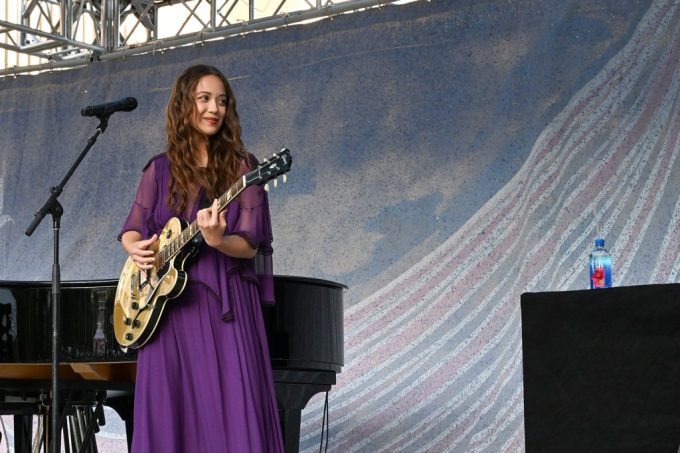
Laufey’s Opening Night Show at LA’s Crypto.com Arena: Best Moments
Laufey opened a two-night stand at Crypto.com Arena in downtown Los Angeles...
 Chris Marks6 Mins read
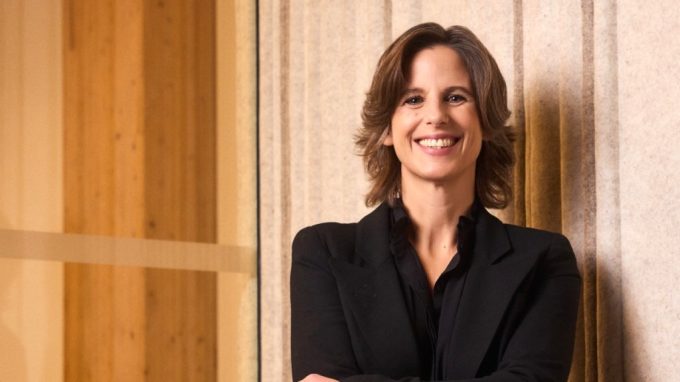
Julie Adam Is Billboard Canada Women in Music’s 2025 Exec of the Year
Julie Adam is having a milestone year — and it’s getting even...
Chris Marks4 Mins read
Spinal Tap Tribute Album with Foo Fighters,Tool for Teen Cancer America
Spinal Tap may be a fake band, but its music is very...
Chris Marks2 Mins read

AxMxP Is K-Pop Rookie of the Month for September: Exclusive Photos
Ha Yoo Joon Image Credit: Chin Soyeon You debuted on Sept. 10....
Chris Marks2 Mins read




Leave a comment