

“Johnny Football’s Farewell Touchdown: Will Manziel Pay for the Browns’ $2.4B Stadium?”
In an ironic twist, unclaimed money in Johnny Manziel’s name may help fund Cleveland’s new $2.4 billion domed stadium — a poetic coda to his tumultuous Browns legacy.
 Chris MarksJuly 18, 20252 Mins read14
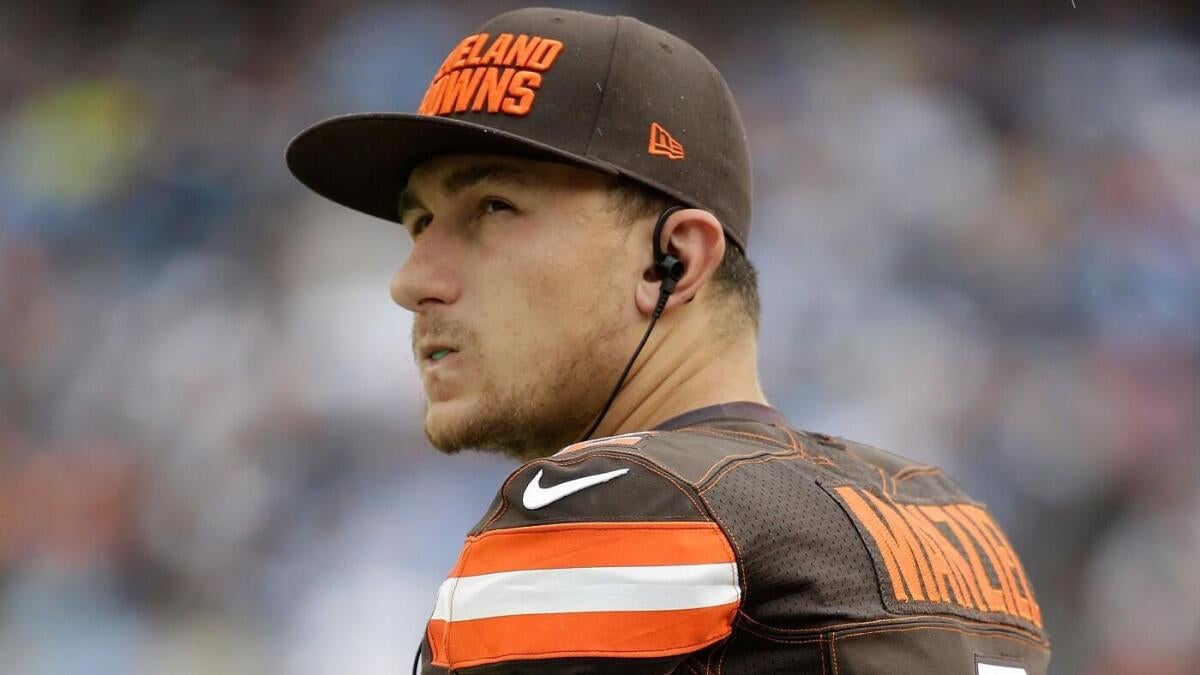
A faded Heisman winner from two decades back may end up funding Cleveland’s next football juggernaut—without even knowing it.
Johnny Manziel, once the electrifying draft pick dubbed “Johnny Football,” is now an unlikely contributor to the Browns’ $2.4 billion domed stadium in Brook Park—not through glory or touchdowns, but through forgotten unclaimed funds tied to his name. Ohio law now siphons dormant accounts into the stadium fund, and Manziel’s name appears among those with unclaimed assets over $100—alongside other Browns alumni like Baker Mayfield—raising questions about unclaimed wealth, legacy, and public finance.
From Glory to Dormancy
Manziel’s gridiron ascent was meteoric—Heisman at 20, first-round pick, household name. But his Browns tenure faded faster than his fame, drawing criticism and eventually release. Fast forward nearly a decade, and his leftover NFLPA and utility payments, still unclaimed in Ohio, are now earmarked for public infrastructure. “It’s poetic,” notes one local journalist, “that Johnny Football could help pay for the stadium where he couldn’t quite shine.”
Statecraft or Sweat Equity?
Ohio’s new budget, signed with bipartisan flourish, allocates $600 million in unclaimed funds—out of nearly $4.8 billion total—to the stadium project. The state contends it’s responsible stewardship, not theft. But critics argue it’s a tax by proxy—on people who may not even know they own money. As one state senator pointed out, “rights to property shouldn’t expire just because you forgot to claim it.” Is it pragmatic civic return, or murky moral ground?
Legacy Paywall
Manziel’s ghost check isn’t just fiscal—it’s symbolic. His rise and fall echo in the public ledger now. If he—or similarly Baker Mayfield, also listed—never claim the money, they’ll be woven into the stadium’s cost silently. Meanwhile, existing Browns loyalists watch with baited breath: will this fund quiet their stadium dreams, or fuel fan resentment when ex-heroes unwittingly bankroll the future without consent?
This story begins with a state law and a celebrity name—but it ends with a whisper of ownership, agency, and forgotten identity. A stadium built with unclaimed money—paid by people who don’t remember they have it—straddles the line between innovation and ethical haze. And so we return to that quiet ledger: when a name pops up in unclaimed funds, who truly owns it—and what does that say about holding onto or letting go of the past? Let that echo.





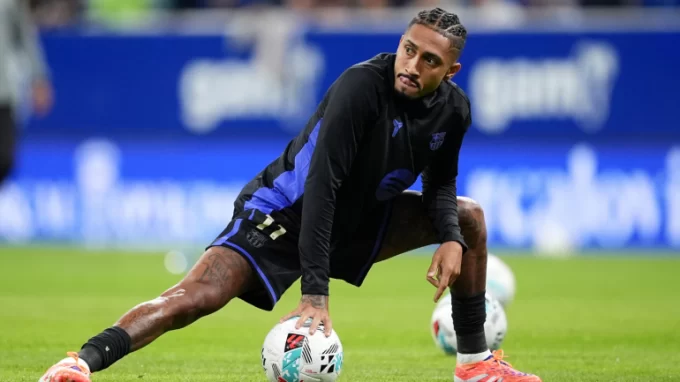
Barcelona’s Fragile Pursuit: When Injuries Threaten More Than Just a Season
A silence spreads over Camp Nou that no roar can drown out—two...
Chris Marks2 Mins read
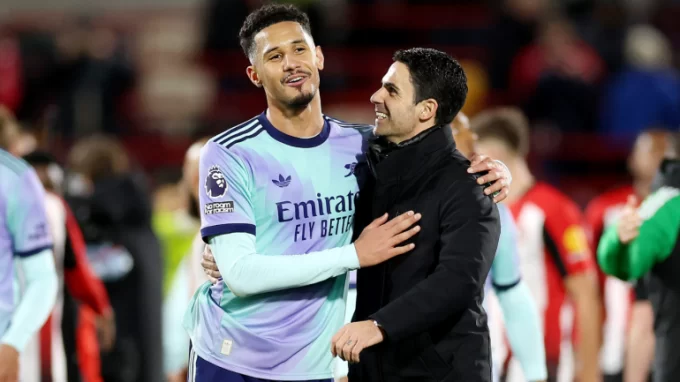
William Saliba: Arsenal’s Silent Architect or Its Greatest Gamble?
The air inside the Emirates shifts with unspoken tension—William Saliba, once a...
 Joseph Bennett2 Mins read
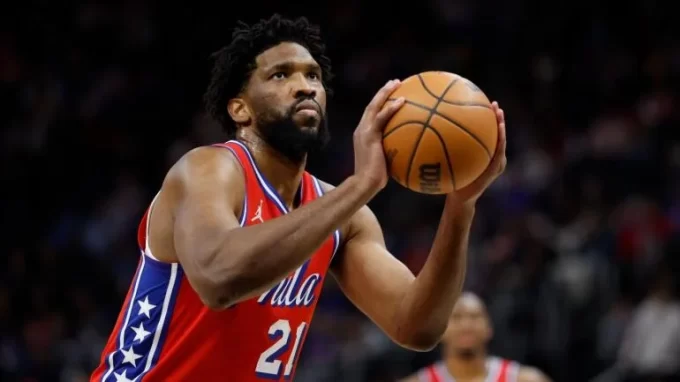
Joel Embiid’s Quiet Confidence: Is the 76ers’ Giant Ready to Rewrite His Story?
Joel Embiid is rarely one to make noise without purpose, and now,...
 Kirsten Collins1 Mins read
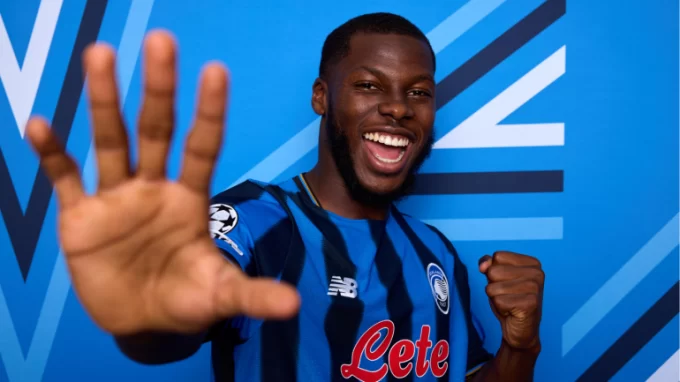
Juventus, Atalanta, and Arsenal’s Quiet Revolution: What’s Really Shaping This Week in Football?
The roar of Serie A stadiums masks a subtle shift, one that...
Kirsten Collins2 Mins read




Leave a comment